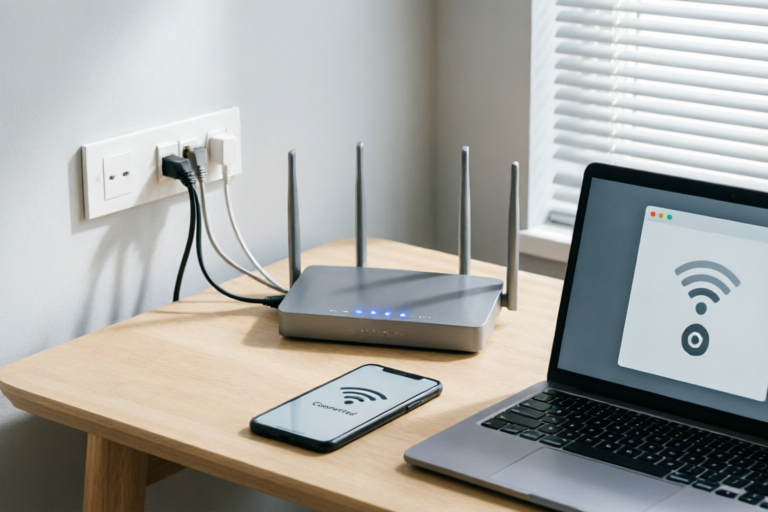
How to Fix a Common Home Wi-Fi Connection Problem
Strengthen Your Wi-Fi Connection with These Easy Fixes
Introduction to Wi-Fi Connection Issues
Wi-Fi connectivity problems can be frustrating, especially when you're trying to stream movies, play online games, or work from home. In this article, we'll explore some of the most common home Wi-Fi issues and provide practical solutions to resolve them.
Firstly, it's important to understand why a stable internet connection is crucial. A reliable Wi-Fi network ensures smooth streaming, fast downloads, and uninterrupted online activities. This article will walk you through several steps to diagnose and fix your Wi-Fi connection issues, ensuring a seamless experience.
Check Your Router and Modem
Ensure Devices Are Properly Connected
The first step in troubleshooting your Wi-Fi connection is to ensure that all devices are properly connected. Check the physical connections between your router, modem, and power source. Loose or faulty cables can cause intermittent connectivity issues.
Restart Router and Modem to Resolve Basic Issues
One of the simplest fixes for many Wi-Fi problems is to restart your router and modem. Sometimes, a simple reboot can clear temporary glitches and restore normal functionality. To do this, unplug both devices, wait for about 30 seconds, and then plug them back in. Allow the devices to fully boot up before testing your connection again.
Verify Power Supply and Cables
Make sure your router and modem are receiving adequate power. If your devices have multiple power ports, try plugging them directly into wall outlets instead of power strips. Additionally, inspect all cables for damage and ensure they are securely connected. Using high-quality Ethernet cables can also improve performance.
Move Closer to Your Router
Explanation of Signal Strength and Interference
Signal strength plays a critical role in Wi-Fi performance. The closer you are to your router, the stronger the signal and the faster your connection. Obstacles such as walls, floors, and electronic devices can weaken the signal. Positioning your router in a central location within your home can help maximize coverage.
Tips for Positioning Your Router for Optimal Coverage
To optimize your Wi-Fi coverage, place your router in an elevated position, such as on a shelf or in the center of your home. Avoid placing it near large metal objects, water pipes, or appliances that can interfere with the signal. Elevating your router can also help reduce interference from other wireless devices.
Suggestion to Use Wi-Fi Extenders if Necessary
If you find that certain areas of your home have weak signal strength, consider using Wi-Fi extenders or mesh systems. These devices can help extend the range of your Wi-Fi network and provide more consistent coverage throughout your home. Make sure to position the extender within the range of your main router for optimal results.
Change Wi-Fi Channel Settings
Understanding Different Wi-Fi Channels
Your router operates on specific frequencies, known as channels. These channels can become crowded, leading to slower speeds and reduced performance. By changing to a less congested channel, you can often improve your Wi-Fi speed and reliability.
How to Check and Change the Channel on Your Router
To check and change your Wi-Fi channel, log into your router's admin interface. You can usually access this by entering your router's IP address (often 192.168.1.1 or 192.168.0.1) into a web browser. Once logged in, navigate to the wireless settings section and look for the option to change the channel. Try different channels to see which one provides the best performance.
Benefits of Using Less Congested Channels
Using a less congested channel can significantly improve your Wi-Fi performance. Channels 1, 6, and 11 are commonly recommended for minimal interference, but it's always best to test different channels to find the one that works best for your specific environment.
Update Router Firmware and Drivers
Importance of Keeping Router Firmware Up-to-Date
Router manufacturers frequently release firmware updates to improve performance, fix bugs, and enhance security. Keeping your router's firmware up-to-date ensures that you have the latest features and protections available. Outdated firmware can lead to vulnerabilities and reduced performance.
Steps to Update Router Software and Drivers
To update your router's firmware, log into the admin interface and look for a section labeled 'Firmware Update' or 'Software Update.' Follow the instructions provided by your router manufacturer. Some routers may require you to download the firmware manually from their website before uploading it to the router.
Potential Improvements from Updates
Updating your router's firmware can lead to significant improvements in speed, stability, and security. Newer firmware versions often include optimizations that can enhance your overall Wi-Fi experience. Regular updates are essential for maintaining peak performance.
Troubleshoot Network Settings and Security
Check for Any IP Address Conflicts
An IP address conflict occurs when two devices on the same network have the same IP address. This can disrupt connectivity and cause devices to lose their internet connection. To check for IP conflicts, log into your router's admin interface and review the list of connected devices. If you notice duplicate IP addresses, reset the network settings on one of the affected devices.
Reset Network Settings on Your Device
If you're experiencing persistent connectivity issues, resetting your device's network settings can sometimes resolve the problem. On Windows, go to 'Settings > Network & Internet > Status > Network reset.' For Mac users, open System Preferences > Network > Advanced > TCP/IP and click 'Renew DHCP Lease.' For mobile devices, go to 'Settings > General > Reset > Reset Network Settings.'
Ensure Proper Security Settings and Passwords Are Used
Weak or outdated security settings can leave your network vulnerable to attacks. Make sure your Wi-Fi network uses WPA3 encryption, which is the most secure standard available. Change your Wi-Fi password regularly and avoid using default passwords provided by the manufacturer. Strong, unique passwords can prevent unauthorized access to your network.
Summary and Final Tips
In summary, maintaining a stable Wi-Fi connection involves regular checks and maintenance. By following the steps outlined in this article—checking your router and modem, moving closer to your router, changing Wi-Fi channels, updating firmware, and troubleshooting network settings—you can significantly improve your Wi-Fi performance.
Additional tips for maintaining a strong Wi-Fi connection include limiting the number of connected devices, upgrading to a dual-band router, and avoiding heavy usage during peak hours. If you've tried all these solutions and still experience issues, don't hesitate to reach out to your internet service provider for professional assistance.
Comments

Make sure your password is strong and unique. It helps with security and performance.

Same issue here. Tried all the steps but still having trouble. Any other suggestions?

I reset my network settings on my laptop and now everything is working smoothly. Thanks for the tip!

Updating the firmware made a huge difference. No more lagging!

Changing the Wi-Fi channel really improved my speed. Less congestion means faster internet.

I had to move my router to a better spot. Now it covers almost the whole house!

Same issue here. My Wi-Fi was super slow and I tried restarting my router. It helped a bit but not completely.