What Is the Best Way to Organize Your Fridge?
Organize Your Fridge for Optimal Efficiency and Safety
Introduction to Proper Fridge Organization
Proper organization of your refrigerator is crucial for maintaining food safety and maximizing efficiency. An organized fridge not only helps you find what you need quickly but also ensures that perishable items stay fresh longer. In this article, we'll explore various strategies to help you keep your fridge neat, tidy, and functional.
Importance of Fridge Organization for Food Safety and Efficiency
Organizing your fridge properly can prevent cross-contamination, reduce waste, and save time when preparing meals. It also helps you keep track of what's inside, making it easier to use up older items before they spoil.
Overview of Common Fridge Organization Challenges
Despite its importance, many people struggle with fridge organization. Common challenges include limited space, difficulty finding specific items, and the tendency to forget about older food. These issues can lead to wasted food and increased grocery bills.
Temperature Zones in Your Fridge
Your refrigerator has different temperature zones, each designed to keep certain types of food at their optimal temperatures. Understanding these zones will help you store food correctly and extend its shelf life.
Understanding the Different Temperature Zones Within Your Fridge
The top shelf is generally the warmest part of the fridge, while the bottom drawer is usually the coldest. The middle shelves are ideal for storing items that don't require extreme temperatures. It's important to place food items in the appropriate zones to maintain their freshness and safety.
Tips for Placing Items According to Temperature Requirements
- Top Shelf: Store condiments, sauces, and other items that don't require refrigeration.
- Middle Shelves: Keep dairy products, eggs, and leftovers here. They benefit from a moderate temperature range.
- Bottom Drawer: Use this area for meats, fish, and raw ingredients that need colder temperatures.
Grouping Food Items by Type
Grouping similar food items together makes it easier to locate them and keeps your fridge organized. This practice also helps in managing inventory and using up older items before they expire.
Benefits of Grouping Similar Food Items Together
Grouping similar items together helps you quickly identify what you have on hand. It also makes it easier to spot expired or forgotten items, reducing food waste. Additionally, it streamlines meal planning and preparation.
Examples of Common Groupings (e.g., Dairy, Fruits, Vegetables)
- Dairy Section: Milk, cheese, yogurt, butter, and cream.
- Fruit Section: Apples, bananas, berries, citrus fruits, and melons.
- Vegetable Section: Leafy greens, carrots, bell peppers, cucumbers, and tomatoes.
Utilizing Shelves and Drawers Efficiently
Maximizing the use of your fridge's shelves and drawers can significantly enhance its functionality. By optimizing these spaces, you can fit more items and keep everything easily accessible.
How to Make the Most Out of Your Fridge's Shelves and Drawers
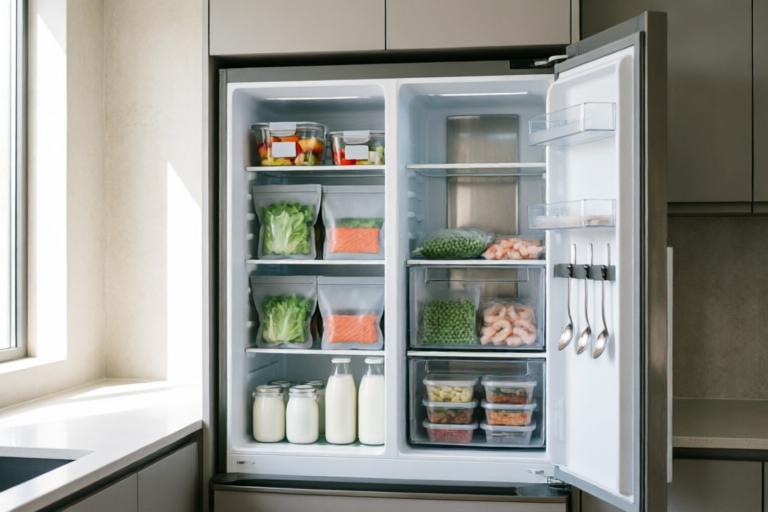
Use stackable containers and dividers to create more compartments within your fridge. This allows you to organize smaller items like spices, condiments, and snacks. Additionally, consider using door bins for items that don't require constant refrigeration, such as beverages and condiments.
Creative Storage Solutions for Awkward Spaces
Avoid wasting space in hard-to-reach areas by using vertical storage solutions. For example, magnetic strips on the interior door can hold items like spice jars and small bottles. You can also install shelves or hooks inside the door to maximize vertical space.
Labeling and Rotation System
Implementing a labeling and rotation system can greatly improve your fridge's organization and inventory management. This system helps you keep track of what you have and ensures that you use older items before they expire.
The Importance of Labeling Items for Better Inventory Management
Labeling items with dates and contents helps you quickly identify what's inside each container. This is especially useful for leftovers, homemade meals, and bulk purchases. Labels also make it easier to rotate items and avoid overstocking.
Implementing a First-In-First-Out (FIFO) Rotation System
The FIFO method involves placing newer items behind older ones. When you add new food to your fridge, move the existing items forward. This ensures that older items are used first, reducing waste and preventing spoilage.
Maintenance and Regular Cleaning
Regular cleaning and maintenance are essential for keeping your fridge functioning optimally. A clean fridge prevents odors, bacterial growth, and mechanical issues. Follow these tips to keep your fridge in top condition.
Keeping Your Fridge Clean to Prevent Odors and Bacterial Growth
Wipe down shelves and drawers regularly with a mild detergent solution. Remove any spills or drips immediately to prevent odors and mold growth. Don't forget to clean the gasket around the door to prevent leaks and ensure proper sealing.
Tips for Regular Maintenance to Ensure Optimal Performance
- Defrost the freezer: If you have a manual defrost model, periodically remove ice buildup to maintain efficiency.
- Check the seals: Test the door seals by closing the door on a piece of paper. If it slides out easily, the seal may need replacing.
- Inspect the coils: Clean the condenser coils at the back or bottom of the fridge to improve airflow and efficiency.
Conclusion: Keys to Maintaining an Organized Fridge
By following the tips outlined in this article, you can maintain an organized and efficient fridge. Proper organization not only enhances food safety and reduces waste but also saves you time and money. Remember to regularly clean your fridge and implement a labeling and rotation system to keep everything in check.
Recap of Key Points Discussed
- Understand the temperature zones in your fridge and place items accordingly.
- Group similar food items together for easy access and inventory management.
- Utilize shelves and drawers efficiently to maximize space.
- Implement a labeling and rotation system to prevent waste.
- Keep your fridge clean and well-maintained for optimal performance.
Final Thoughts on the Benefits of a Well-Organized Fridge
A well-organized fridge is not just about aesthetics; it's about practicality and safety. By keeping your fridge tidy and functional, you ensure that your food stays fresh longer and that you make the most of every item you purchase. With these tips, you're on your way to a more efficient and enjoyable kitchen experience.
Comments

I've heard putting a bowl of baking soda in the fridge helps with smells. Anyone tried this?

I rearranged my shelves to put the most used items at eye level. So much easier to grab things now!

Cleaning my fridge every month really helps with odors. It's worth the time.

Any advice for organizing a small fridge? Mine barely fits anything and I'm always bumping into things.
I use these magnetic labels on the doors for condiments. Saves so much space inside! Have others tried this?

This worked for me! I started labeling everything and now I actually know what's inside without opening the door.
Great tips! I've been using drawer dividers to keep my veggies fresh longer. Does anyone else do this?

Same issue here! I always end up with expired milk because I can't find it in my messy fridge.