Everyday Problems
How to Remove Stubborn Coffee Stains from White Shirts Easily?
Stain-Free Style, Every Day!
"# How to Remove Stubborn Coffee Stains from White Shirts Easily
## Introduction
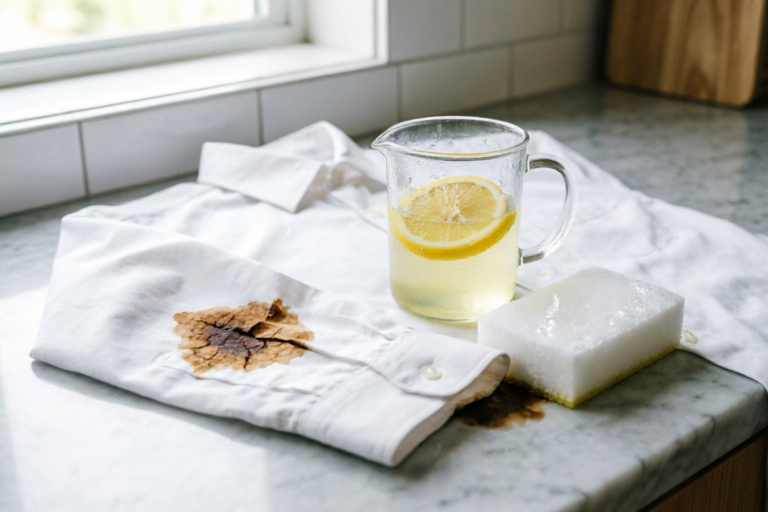
There is perhaps nothing more disheartening than accidentally spilling a hot cup of coffee onto your favorite crisp white shirt. Whether you are rushing to a morning meeting or enjoying a leisurely weekend brunch, spills happen. However, panic is not the solution; action is. Coffee stains can be notoriously difficult to remove because they contain complex compounds that bond tightly with fabric fibers. If left untreated or treated incorrectly, what starts as a simple brown spot can quickly become a permanent yellowish mark that seems impossible to erase. Fortunately, with the right knowledge, tools, and techniques, you can restore your garment to its original pristine condition.
This comprehensive guide is designed to walk you through every stage of coffee stain removal, from understanding the chemistry behind the stain to applying specific solutions for both fresh and aged spills. We will cover immediate first aid measures, effective DIY natural remedies, safe commercial product usage, and finally, prevention strategies to ensure your wardrobe stays stain-free in the future. By following the steps outlined below, you can tackle coffee spills with confidence and keep your whites sparkling clean.
## 1. Understanding the Nature of Coffee Stains
Before attempting any removal technique, it is crucial to understand what we are dealing with. Coffee is not merely colored water; it is a chemical mixture that reacts dynamically with textiles. Knowing the composition helps in choosing the correct solvent and avoiding actions that might permanently damage the fabric.
### The Chemistry Behind the Brown Spot
Coffee contains three primary agents that contribute to staining: oils, acids, and tannins. Tannins are the most significant culprit. These are polyphenolic compounds found naturally in tea and coffee beans. They are responsible for the dark coloration and have a strong affinity for binding to protein-based fibers like wool and silk, as well as cellulosic fibers like cotton and linen. When coffee lands on your shirt, the tannins penetrate the weave of the fabric. Simultaneously, the natural oils present in coffee droplets act as a carrier, holding the tannins and pigments deeper into the fiber matrix. Finally, the acidic nature of coffee affects the dye molecules of the fabric itself or causes oxidation, which contributes to the yellowing effect commonly seen when coffee stains are ignored.
If you simply wipe the surface, you may remove the liquid, but the microscopic oil and tannin particles remain suspended in the weave. This is why rinsing and soaking are essential first steps. Furthermore, white fabrics are particularly susceptible because the lack of other dyes means any discoloration stands out starkly. However, white fabrics also offer an advantage: they can generally withstand stronger bleaching agents (like oxygen bleach) compared to colored garments without fear of color stripping.
### Why Heat Sets the Stain Permanently
One of the most common mistakes people make after spilling coffee is reaching for hot water. There is a prevailing belief that hot water cleans better because it melts grease. While this is true for oily foods like spaghetti sauce, it is disastrous for coffee stains. Coffee stains set rapidly when exposed to heat. When you apply hot water or place the garment in a hot dryer before the stain is fully removed, the heat causes the proteins in the fibers to contract and lock the tannin and oil compounds firmly in place. This process is often referred to as "baking" the stain into the fibers.
Once the stain has been heat-set, removing it requires harsh chemicals that might damage the shirt anyway. Therefore, the golden rule of stain management is always to treat with cold water initially. Heat activates the bonding agents between the stain and the fabric. By keeping the treatment area cool, you maintain the possibility of flushing the compounds out rather than fusing them into the textile structure. This principle applies to washing machines as well; avoid using warm or hot cycles for the initial wash until you confirm the stain is gone.
## 2. Immediate First Aid Actions
Time is the enemy of a coffee stain. The longer the liquid sits on the fabric, the deeper it penetrates, and the more it binds to the fibers. Therefore, your reaction time immediately after the spill dictates the success of your removal effort. Do not wait until you get home or reach the office restroom to address it. Act now.
### The Golden Rule of Blotting
Your instinct may be to rub the stain vigorously to clean it, but friction is your enemy at this stage. Rubbing pushes the liquid deeper into the center of the fabric weave and spreads the stain over a larger area. Instead, adopt a blotting technique. Gather clean paper towels, microfiber cloths, or plain white napkins. You want something absorbent that does not leave lint behind.
Place the paper towel underneath the stained area on the backside of the shirt if possible, or simply lay the shirt flat on a pile of towels. Gently press the dry towel against the wet spot. The goal is capillary action, where the moisture moves from the fabric into the towel through pressure. Apply firm but gentle pressure and lift the towel away frequently to check for saturation. Replace the towel as soon as it becomes soaked to prevent re-depositing the coffee back onto the shirt. Continue this process until no more liquid transfers to the towel. This removes the bulk of the liquid load, reducing the concentration of tannins and oils available to bond with the fabric.
### Flushing from the Reverse Side
After blotting the excess liquid, the next critical step is rinsing. Many people rinse the front of the shirt, thinking they are cleaning the visible dirt. However, this can push the stain further down into the layers of the fabric. The most effective method is to flush the area from the reverse side.
Turn the shirt inside out or position the stained area so that the inside faces upwards towards the tap. Hold the back of the stain under a stream of cold running water. Push the water through the fabric from the back to the front. As you hold the fabric taut between your fingers, force the water to push the coffee particles out of the fabric and away from your hand. You should see brown runoff exiting from the front side of the stain. Repeat this process for at least one to two minutes. The cold water helps dissolve the water-soluble components of the coffee, such as sugars and caffeine, without activating the tanning agents. This mechanical flushing combined with temperature control sets the stage for the chemical treatments to follow.
Ensure the fabric remains damp throughout this process. Letting the fabric dry at this stage would result in partial setting. Keep moving to the kitchen sink, but do not stop the water flow. If you are in a public restroom or lack running water access, pour a bottle of cold mineral water over the spot, blot aggressively, and repeat until you find a better source of rinsing.
## 3. Effective DIY Natural Cleaning Solutions
If you have treated the fresh spill with cold water and blotting, you may still see a faint shadow. For stubborn or older stains, or even residual marks after rinsing, you need a targeted cleaning agent. DIY solutions are often preferred for white shirts because they are gentle yet effective, and they avoid the harsh chemicals found in some industrial cleaners.
### The Classic Baking Soda and Vinegar Combo
Baking soda (sodium bicarbonate) and white vinegar (acetic acid) are household staples that create a powerful chemical reaction when mixed. This combination is excellent for breaking down organic compounds. The reaction creates carbon dioxide bubbles, which help to mechanically lift the stain particles from the fabric fibers. Additionally, the mild alkalinity of baking soda helps neutralize acids in the coffee, while the vinegar acts as a solvent for the tannins.
To prepare this solution, mix two parts white vinegar with one part water in a small bowl. Soak the stained area in this solution for 15 to 20 minutes. Afterward, sprinkle a generous amount of baking soda powder directly onto the wet stain. Add a splash more water to activate the fizzing action. Use a soft-bristled brush or your fingers to gently rub the paste into the fabric in circular motions. Allow the paste to sit for another 10 minutes. Rinse thoroughly with cold water. This method is particularly good for cotton and linen blends.
**Caution:** Do not mix these two chemicals in a sealed container, as the buildup of gas can cause pressure. Always apply them sequentially (vinegar soak, then baking soda) to maximize the effect safely.
### Boosting Whitening with Dish Soap and Peroxide
For white shirts where you want extra brightening power, hydrogen peroxide is an excellent choice. Unlike chlorine bleach, which can yellow certain fibers or weaken the material over time, hydrogen peroxide is a safe oxygen-based bleaching agent that decomposes into water and oxygen gas. Combining it with dish soap enhances the cleaning ability because dish soap contains surfactants designed to break down oil molecules.
Create a paste using one tablespoon of hydrogen peroxide (3% solution, standard pharmacy grade), one teaspoon of liquid dish soap (clear works best to avoid dye transfer), and one teaspoon of warm water (if the fabric allows, otherwise use cold water). Mix until smooth. Apply this paste directly to the stain, ensuring it covers the edges to prevent ring formation. Let it sit for 30 minutes to an hour. Do not let it dry completely on the fabric, as residue can be difficult to remove. Once the waiting period is over, rinse with cold water. The bubbling action of the peroxide continues to work by releasing oxygen into the fabric, effectively breaking down the chromophores responsible for the coffee color. This solution is safe for most durable cotton fabrics but should always be tested first.
## 4. Safe Use of Commercial Stain Removers
While DIY methods are fantastic for everyday emergencies, sometimes you need the strength of a specialized product. Commercial stain removers are formulated to tackle a variety of complex stains, including coffee. However, not all stain removers are created equal, and using the wrong one can ruin your garment.
### Oxygen Bleach vs. Chlorine Bleach: Know the Difference
When shopping for stain removal products, look for oxygen bleach or non-chlorine bleach. Ingredients like sodium percarbonate are common here. Oxygen bleach works by releasing oxygen molecules that attack the bonds of the stain pigment, lifting the color away from the fabric. It is safe for colors but especially beneficial for whites to restore brightness.
In contrast, chlorine bleach (hypochlorite) is extremely aggressive. While it whitens, it can react unpredictably with coffee stains. Some studies suggest that chlorine bleach can oxidize the tannins in coffee, turning the stain yellow instead of removing it. Furthermore, repeated use of chlorine bleach weakens cellulose fibers, leading to holes and fraying in your white shirts over time. Unless your shirt label explicitly states it is bleach-safe for cotton and you are desperate, stick to oxygen-based solutions. Brands like OxiClean are popular choices for their oxygen-release technology. Always check the bottle to ensure it is suitable for the fabric type of your shirt.
### Critical Safety Precautions for Fabric Care
Before applying any commercial stain remover, perform a colorfastness test. Even on white shirts, there could be decorative stitching, logos, or finishes that react poorly to chemicals. Find an inconspicuous area, such as the inside seam or the hem, and apply a small drop of the solution. Wait 24 hours. If the fabric shows any change in texture, whiteness, or integrity, do not use the product on the main stain.
Furthermore, never mix different chemical cleaners. Mixing an oxygen bleach solution with an acidic cleaner like vinegar can reduce the effectiveness or produce harmful gases. Read the manufacturer's instructions regarding dwell time. Leaving a heavy-duty cleaner on too long can damage the fabric weave. Follow the recommended ratio of product to water. Also, be aware of temperature restrictions; some commercial enzymes require warm water to activate, while others function best in cold water. Adhering to the label instructions is part of protecting your investment in clothing.
## 5. Final Washing and Prevention Tips
The final stage of stain removal is the machine wash. If the stain was handled incorrectly, a perfect washing machine cycle won’t save the shirt. Conversely, proper laundering can seal the victory of your spot treatment. After spot treating, the garment still needs a thorough cleanse to remove any remaining residues of the cleaning agents or dissolved stain particles.
### Optimizing Your Machine Wash Cycle
Prepare the white shirt for washing by checking pockets and fastening buttons. Select a wash cycle appropriate for the fabric weight. Cotton shirts can handle a normal or heavy duty cycle, but if the shirt is delicate, use a gentle cycle. Fill the machine with cold or warm water, depending on the fabric care label, but avoid hot water initially. High-efficiency (HE) detergents are recommended as they clean well at lower temperatures, which is safer for preventing stain re-setting.
Add half the usual dose of detergent; overloading suds can trap dirt. If you wish to boost the cleaning power, add a scoop of oxygen bleach powder to the drum along with the clothes. Run the full cycle. After the wash, inspect the shirt while it is still wet. If the stain is gone, you can proceed to drying. If you still see a trace of brown, do not put the shirt in the dryer. Put it back in the washer and run another cycle. Repeated washing with fresh detergent is better than risking a heat-set disaster.
### Avoiding the Dryer Trap
The tumble dryer is the biggest threat to a successfully cleaned white shirt. If you dry the shirt while even a faint trace of the coffee stain remains, the intense heat of the dryer will instantly bake that remaining pigment into the fibers. At that point, removal is nearly impossible. Always air-dry your white shirts until you are 100% certain the stain has vanished. Hang the shirt outdoors in the sunlight; UV rays act as a natural bleaching agent and can help fade any lingering shadows. Only once the shirt is completely dry and you confirm the cleanliness should you consider machine drying for convenience. If you must use a dryer, wait until you have verified the stain removal is complete after at least one successful wash-and-air-dry check.
### Lifestyle Changes to Prevent Future Accidents
Prevention is better than cure. Small adjustments in your daily routine can minimize the frequency of these staining incidents. If you drink coffee regularly while working, consider using a travel mug with a secure lid rather than disposable paper cups, which are easier to tip over. Invest in a coaster for your desk, creating a designated safe zone for your beverage. Wear darker or patterned undershirts when drinking coffee casually, or choose shirts made of textured fabrics like denim or chambray which hide spills better than fine cotton twill. If you are carrying a laptop bag, avoid placing your coffee cup directly next to it, as a jolt can flip the lid. By being mindful of your environment and handling your beverages with care, you protect your investment in your wardrobe. Remember, the peace of mind knowing your favorite white shirt is safe is worth the habit change.
## Conclusion
Removing a coffee stain from a white shirt is a manageable task if approached with patience and the right chemical knowledge. From the immediate action of blotting and flushing with cold water to the strategic application of natural pastes or commercial oxygen bleach, each step plays a vital role in preserving the fabric. Understanding why heat sets the stain prevents the most common mistake, while proper washing and drying ensure the job is done right.
By integrating these techniques into your laundry routine, you transform a potential wardrobe emergency into a routine maintenance task. White shirts are a timeless fashion staple, and keeping them bright adds confidence to your professional and personal appearance. Don’t let a spilled latte dictate your outfit choices. With these tips, you can confidently enjoy your coffee without worry, knowing that you have the arsenal to keep your clothes pristine. Stay proactive, stay informed, and your whites will thank you for years to come."}
Comments

PracticalPete
Buying a spill-proof travel mug now because I can’t afford another stain incident.
👍 15👎 0

EcoWarrior22
Blotting never seems to take enough liquid out for me but your method looks easier than scrubbing.
👍 5👎 0

DryCleanOnlyGuy
Hydrogen peroxide test passed on the inside seam, works like magic.
👍 10👎 0

HomeChefJen
Quick question, what if the shirt is cotton blend? Does the vinegar ruin it?
👍 28👎 0

CoffeeSpillVictim
Oh my god yes! I used hot water thinking it would help clean better and ruined the shirt forever until I saw this post.
👍 22👎 0