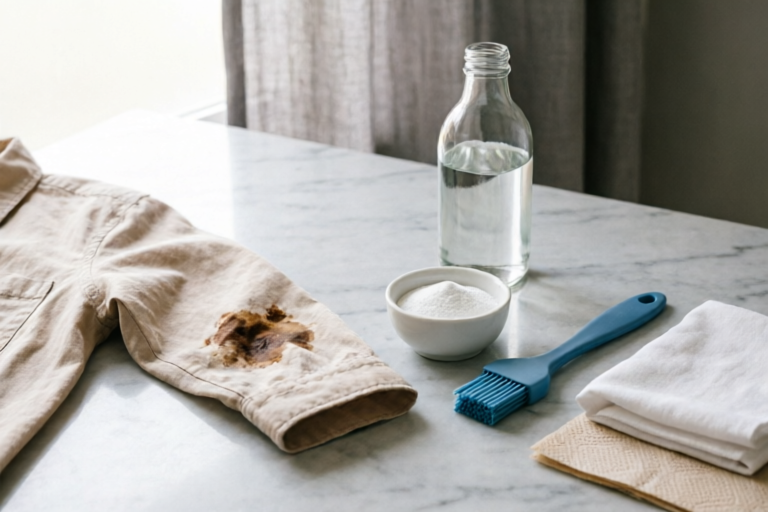
How to remove stubborn coffee stains from clothes quickly?
Stainless Style: Save Your Favorite Outfit Today!
How to Remove Stubborn Coffee Stains from Clothes Quickly?
Coffee is often described as the lifeblood of modern productivity, fueling morning routines and late-night work sessions alike. However, for many of us, there is a moment of dread associated with that warm liquid: the accidental spill. Whether you are rushing out the door in haste or navigating a crowded cafe with two hands full, a dropped cup of coffee can transform a pristine outfit into a stained disaster within seconds. The good news is that coffee stains are rarely permanent if treated correctly and promptly.
Removing coffee from clothing requires a strategic approach that balances chemistry with gentle fabric handling. The key lies in understanding the composition of the stain—tannins, pigments, oils, and sometimes milk proteins—and how they bond with textile fibers. This comprehensive guide will walk you through immediate actions, effective household remedies, detailed washing procedures, and necessary precautions for delicate materials. By following these evidence-based steps, you can restore your clothing to its former glory and minimize the risk of setting the stain permanently.
1. Immediate Steps to Stop the Stain Set-In
The most critical phase of stain removal begins the exact moment the spill occurs. Delaying action allows the soluble coffee compounds to penetrate deeper into the weave of the fabric. Once the moisture evaporates, the tannins left behind oxidize and bond strongly with the fibers, making subsequent removal exponentially harder.
The Importance of Acting Quickly
In stain removal, time is not just money; it is the difference between a clean garment and a ruined one. Fresh coffee stains are essentially wet deposits of organic matter. As soon as you notice the spill, resist the urge to rush the fabric into the washing machine immediately. Doing so might spread the stain further or lock it in via heat and agitation before the chemicals have had time to break down the particles. Instead, focus on containment. The goal of the initial minutes is to lift the liquid away from the surface before it dries.
Blotting Excess Liquid Correctly
Never rub a fresh coffee stain. Rubbing creates friction that pushes the liquid deeper into the fiber bundles and potentially damages the fabric texture. Instead, grab a clean, white, absorbent cloth, paper towel, or napkin. Place it gently over the stain and press down firmly. You want to soak up the liquid through capillary action. Flip the towel frequently to access a dry surface area as the liquid transfers. Continue this process until no more moisture lifts onto the cloth. If possible, place a dry towel underneath the stain on the reverse side of the fabric to prevent the liquid from soaking through to another layer of clothing.
Rinsing with Cold Water
Once the excess liquid is blotted, the next step is rinsing. It is crucial to use cold water for this stage. Many people mistakenly reach for hot water because they associate it with cleanliness, but hot water has a different function in laundry: it sets proteins. If your coffee contained milk, cream, or sugar substitutes containing dairy components, hot water can coagulate these proteins, permanently bonding them to the fabric. Even black coffee contains pigments that can be fixed by heat.
Hold the stained portion under a strong stream of cold tap water, directing the flow from the back of the fabric towards the front. This technique forces the stain out of the fiber rather than pushing it further in. Alternatively, fill a basin with cold water and submerge the area, swishing it gently. This helps flush out the suspended particles. Do this for at least one to two minutes to ensure you are diluting the remaining residue effectively.
2. Effective Household Remedies for Tough Stains
After the initial rinse, a visible mark will likely remain. This residual discoloration requires chemical assistance to break down the bonds between the coffee pigments and the fabric. Fortunately, several pantry staples possess powerful cleaning properties that are both safe and effective for breaking down coffee residue.
Liquid Dish Soap
Liquid dish soap is designed to cut through grease and oils on dinner plates, making it surprisingly effective for coffee stains, especially if your beverage contained creamer or sugary additives that act like adhesives. Choose a colorless or mild dish detergent if your garment is dark to avoid potential fading.
Method: Apply a small drop directly onto the dampened stain. Gently massage it into the fabric using your fingertips or a soft-bristled toothbrush. Let it sit for 5 to 10 minutes to allow the surfactants to work on the oily components. Rinse again with cold water. If the stain persists, repeat the process or move to stronger remedies.
White Vinegar Solution
White distilled vinegar is an excellent acid-based cleaner that helps neutralize alkaline residues and break down tannins. It acts as a natural deodorizer and brightener, making it ideal for light-colored fabrics. It is generally safe for cotton, polyester, and blends.
Method: Mix a solution of equal parts white vinegar and cold water. Pour this mixture generously over the stain until it is thoroughly soaked. Allow it to sit for approximately 15 minutes. The acidity helps loosen the pigment molecules from the fiber matrix. Afterward, gently rinse the area with cold water. Test on a hidden seam first to ensure colorfastness.
Baking Soda Paste
For stains that have been partially dried or are deeply set, baking soda serves as a mild abrasive and absorbent. It can help lift particulate matter stuck in the weave of the cloth. It works well by creating a paste that holds the active ingredients against the fabric.
Method: Combine three tablespoons of baking soda with one tablespoon of water to create a thick paste. Spread the paste over the stain, covering it completely. Let the paste sit until it dries completely, which may take an hour or so. Once dry, brush off the powder residue. This mechanical action helps dislodge the stain. If the stain remains, scrub lightly with a soft brush and rinse.
Hydrogen Peroxide for White Fabrics Only
While effective for whitening, hydrogen peroxide must be used with extreme caution on colored garments, as it can bleach the dye. However, for white cotton or linen shirts that have turned brown, it can be a miracle worker.
Method: Pour a small amount of 3% hydrogen peroxide directly onto the stain. It will fizz as it reacts with the enzymes and organic material. Let it bubble for a few minutes, then rinse thoroughly with cold water. Repeat application is necessary for older stains. Always test a small patch first.
3. Detailed Washing and Rinsing Procedure
Even after pre-treating, the stain might not be fully gone. To ensure complete removal, you must integrate the stain-treated garment into a proper washing cycle. However, there are specific procedural rules to follow to prevent re-depositing the stain onto other clothes or the drum of the machine.
Pre-Treating the Area Thoroughly
Do not skip the pre-treatment step even after home remedies. Before throwing the garment into the washer, apply a liquid laundry detergent directly to the stain site. Rub the fabric together gently to create lather. Allow this to sit for another 15 minutes while you prepare other loads. This secondary treatment ensures that any lingering tannins are targeted by enzymatic action during the main wash.
Gently Agitating the Fabric
If the stain persists after the initial wash attempt, do not throw the garment in the dryer. Heat is the enemy of untreated stains. Instead, re-wet the garment. You can try soaking the entire item in a bucket of warm water mixed with oxygen-based bleach (like OxiClean) for several hours or overnight. Oxygen-based bleaches release bubbles that lift dirt from fibers without damaging colors like chlorine bleach does.
When using the washing machine, select a cycle appropriate for the fabric weight but ensure the water temperature aligns with the safety guidelines discussed earlier (cold or lukewarm for protein-containing stains). Avoid overloading the machine, as poor agitation reduces cleaning efficiency.
Following Care Label Instructions
Always refer to the manufacturer’s tag. Some modern performance fabrics are hydrophobic or require specific solvents. Ignoring the label can void warranties or shrink the material. If the label indicates "Dry Clean Only," stop and assess whether you should hand-wash at all. For machine washables, separate the stained item from the rest of the load initially to see if the stain bleeds into the wash water before proceeding with a full cycle.
The Critical Drying Stage
This is where most people lose the battle. Never put a garment in the tumble dryer until you are absolutely certain the stain is gone. The high heat of a dryer cooks the stain into the fabric, making it nearly impossible to remove later.
Air Dry First: Hang the garment to air dry in the sun (if color-safe) or shade. Inspect the stain meticulously once it is dry. If any trace of the coffee ring remains, repeat the treatment process. Once the stain is 100% invisible, you can safely machine dry or iron the item. Patience here saves months of regret later.
4. Precautions for Delicate or Specialized Fabrics
Not all fabrics react the same way to water, acids, or abrasion. Treating a silk blouse the same way as a cotton t-shirt can lead to irreversible damage such as water spots, shrinkage, or loss of luster. Understanding fiber composition is essential for specialized care.
Safety Guidelines for Silk and Wool
Natural protein fibers like silk and wool are highly sensitive to harsh chemicals and mechanical stress. Acidic solutions like vinegar can actually harm silk by weakening the fibroin protein chain. Alkaline cleaners like baking soda or strong detergents can strip natural oils from wool, causing felting or stiffness.
- Silk: Blot immediately. Rinse with cool water only. Use a very mild pH-neutral detergent specifically formulated for delicates. Avoid scrubbing vigorously.
- Wool: Use cold water and gentle motion. Hand washing is preferred over machine cycles. Do not wring or twist the wool, as it loses shape easily.
Handling Synthetic Materials
Synthetic fibers like polyester, nylon, and spandex are durable but porous. Coffee stains can cling tenaciously to synthetics. However, these materials can also melt under high heat or degrade with certain solvents. Avoid using strong oxidizers like bleach on neon-colored synthetics, as they may turn yellow or pink.
For sportswear made of synthetics, enzymatic cleaners work best. These are designed to break down organic matter without damaging elastic fibers. If the garment is waterproof or water-repellent, applying a stain remover might compromise the coating. In such cases, dabbing with water only is safer.
Recommendations for Professional Cleaning
When in doubt, seek professional help. High-end suits, structured coats, or vintage textiles should always go to a dry cleaner. Professionals have access to industrial solvents that are more potent than household cleaners and know how to treat specific dye types.
Tell the dry cleaner about the nature of the stain (coffee with milk, black coffee, date of spill) upon dropping off the item. Mark the stain clearly with a chalk circle or pinned note before handing it over. This ensures they know exactly where to focus their efforts.
5. Conclusion: Prevention and Garment Longevity
While knowing how to remove coffee stains is invaluable, integrating preventive measures into your lifestyle can save you countless headaches. Garment longevity isn’t just about fixing mistakes; it’s about proactive maintenance.
Summary of Key Takeaways
To recap the path to stain-free recovery: act fast by blotting and rinsing with cold water; utilize household agents like dish soap, vinegar, or baking soda depending on the fabric; pre-treat before washing; and never dry until the stain is confirmed removed. Consistency in this routine ensures that occasional spills do not become wardrobe tragedies.
Tips on Using Stain-Resistant Sprays
Consider treating your clothes with commercial fabric protector sprays before wearing them for outings. Products like Scotchgard create a microscopic barrier that repels liquids, allowing them to bead up on the surface rather than soaking in. When applied to shoes, upholstery, and clothing, these sprays give you extra reaction time. Reapply regularly, as washing can diminish their effectiveness.
Mindful Drinking Habits
Finally, behavioral changes play a major role. Consider using travel mugs with secure lids if you are prone to spills while multitasking. Avoid placing loose cups on unstable surfaces near the edges of desks. Additionally, be cautious when moving through doorways with large drinks, as momentum shifts often result in splashes. Small adjustments in habit protect your investment in your wardrobe.
By combining scientific knowledge of stain chemistry with practical cleaning techniques and preventative strategies, you can confidently face the morning coffee ritual without fear. Your clothes deserve this protection, and with these methods, keeping them pristine is entirely achievable.
Frequently Asked Questions (FAQ)
Can I use hot water to remove coffee stains?
Generally, no. Hot water can set the tannins and proteins found in coffee mixtures. Always start with cold water. You may transition to warmer water for the main wash cycle only if the fabric care label permits, but never apply heat until the stain is visually gone.
What is the best stain remover for old coffee stains?
For old, set-in stains, an enzymatic laundry detergent combined with a soak in oxygen bleach is highly effective. You may also need to repeat the application of dish soap and baking soda multiple times before attempting to wash again.
Will lemon juice work on coffee stains?
Yes, lemon juice is acidic and can help break down the stain, similar to vinegar. It also acts as a mild natural bleach. However, ensure it does not come into contact with delicate fabrics like silk, as prolonged exposure to acid can weaken the fibers. Rinse thoroughly after application.
Why did the stain turn back after washing?
This happens when residual stain particles are locked back onto the fibers due to heat exposure in the dryer. If the stain reappears, it means it was not fully removed during the wash cycle. Treat the area again and let it air dry instead of using the dryer.
Is toothpaste an effective home remedy?
Non-gel toothpaste can work as a minor abrasive, similar to baking soda, but it is not recommended for serious coffee stains. It may leave its own residue or fragrances behind. Standard dish soap and vinegar offer more reliable results without the risk of introducing unnecessary ingredients to the fabric.
Comments

Works for me! Saved so much money on new clothes. Prevention tips are gold too.

Spilled on a dark blazer at a client meeting 😭 followed step 1 immediately. Felt pretty confident moving forward.

Tried baking soda on a silk top once... big mistake. Definitely sticking to professional cleaning for delicate stuff.

Love that you mentioned pre-treating. I use liquid detergent mostly, but the vinegar paste sounds safer for my family.
What about dried stains? It's been 3 days since I spilled. Still thinking I'm gonna trash the jacket.

Pro tip: blot, don't rub! I used to scrub and ended up making the stain bigger. Also tested on hem first.

Anyone tried this on synthetics? Worried the vinegar will damage the fabric of my workout gear.

Saved my office shirt just now! Didn't realize cold water was critical until reading this. Hot water cooked the stain last time lol