Why Does My Air Conditioner Leak Water?
Keep Your Home Cool and Dry with Proper AC Maintenance
Introduction to Air Conditioner Leaks
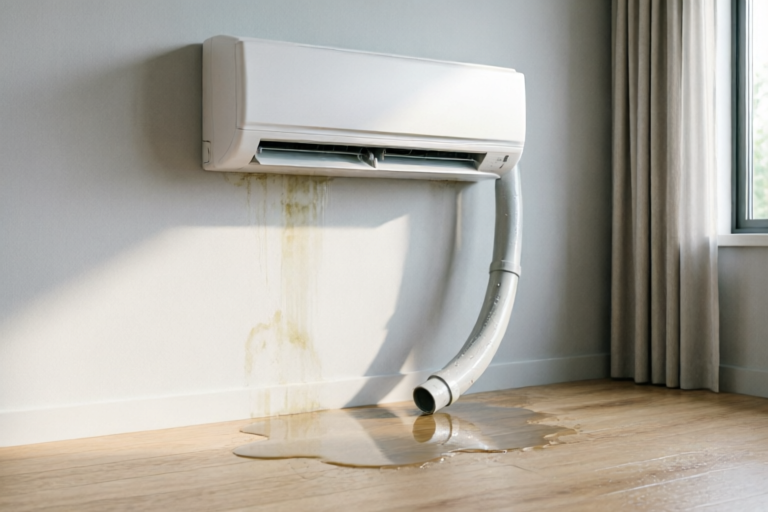
Water leakage from an air conditioner can be a frustrating and concerning issue. It not only disrupts the comfort of your home but also poses potential risks of mold growth and structural damage. Understanding the common causes of this problem is crucial for timely intervention and preventing further complications.
Common Causes of Air Conditioner Leaks
Clogged Condensate Drain Lines
The condensate drain line is responsible for carrying away the water that forms when warm air passes over the cold evaporator coil. Over time, debris such as dust, dirt, and mold can accumulate inside the drain line, leading to blockages. If the water has nowhere to go, it will overflow and leak out.
Improperly Installed or Damaged Drain Pan
The drain pan collects condensation from the evaporator coil before it enters the condensate drain line. If the pan is not properly installed or becomes damaged, it may fail to hold the collected water, causing it to spill out.
Frozen Evaporator Coils
When the refrigerant level in your air conditioner drops too low, the evaporator coils can freeze. This freezing causes ice to build up on the coils, blocking the flow of condensate and eventually leading to overflow and leaks.
Low Refrigerant Levels
Adequate refrigerant is essential for efficient cooling and proper condensation management. A refrigerant leak can cause the system to operate inefficiently, leading to frozen coils and subsequent water leaks.
How Does an Air Conditioner Normally Drain Water?
During the cooling process, the air conditioner removes heat from the indoor environment by passing it through the evaporator coil. As the warm air comes into contact with the cold coil, moisture condenses into water droplets. This condensation then drips down into the drain pan and is carried away via the condensate drain line.
The Role of the Condensate Drain Line and Pan
The condensate drain line ensures that the collected water is efficiently removed from the system. The drain pan acts as a reservoir for the condensed water, preventing it from dripping directly onto the floor or other areas of the home.
Steps to Diagnose and Fix the Issue
Checking the Condensate Drain Line for Clogs
To clear a clogged drain line, start by turning off the power to your air conditioner. Use a wet/dry vacuum to suction out any debris from the line. Alternatively, you can use a plumbing snake or a stiff wire to break up the blockage.
Inspecting the Drain Pan for Leaks or Damage
Check the drain pan for cracks, rust, or other signs of wear. If you find any damage, replace the pan immediately. Ensure that the pan is properly positioned beneath the evaporator coil to collect all the condensation.
Defrosting Frozen Evaporator Coils if Necessary
If your evaporator coils are frozen, turn off the air conditioner and allow them to thaw naturally. Do not attempt to speed up the defrosting process with external heat sources, as this could cause further damage.
Refilling Refrigerant if Low
If you suspect a refrigerant leak, do not attempt to refill the system yourself. Contact a certified HVAC technician who can safely diagnose and repair the leak.
Preventive Measures to Avoid Future Leaks
Regular Maintenance and Cleaning
Schedule routine maintenance checks for your air conditioning system. During these checks, technicians can clean the condensate drain line, inspect the drain pan, and ensure that all components are functioning correctly.
Proper Installation and Sealing of Components
Ensure that all parts of your air conditioner, including the drain pan and condensate drain line, are properly installed and sealed. This helps prevent leaks and ensures efficient operation.
Ensuring Adequate Airflow Around the Unit
Make sure there is sufficient clearance around the outdoor unit to allow for proper airflow. Blocked vents or surrounding vegetation can impede airflow and lead to inefficiencies in the cooling process.
When to Call a Professional
Signs That Indicate a Need for Professional Help
If you notice persistent leaks, unusual noises, or a significant drop in cooling efficiency, it may be time to call in a professional. Other signs include visible refrigerant leaks, frozen coils, or excessive moisture buildup.
Benefits of Hiring a Certified HVAC Technician
A certified HVAC technician has the knowledge and tools necessary to accurately diagnose and repair complex issues. They can also provide expert advice on maintaining your system for optimal performance.
Tips for Selecting a Reliable Service Provider
Choose a service provider with positive reviews and a strong reputation in the community. Verify their certifications and insurance coverage before scheduling an appointment.
Conclusion
By understanding the common causes of air conditioner leaks and taking proactive steps to address them, you can maintain a comfortable and dry living environment. Regular maintenance and prompt repairs are key to ensuring the longevity and efficiency of your HVAC system. Don't hesitate to seek professional help when needed to avoid costly damages and ensure optimal performance.
Comments

What if the refrigerant level is too low? Can I refill it myself or should I call a professional?

Great guide! Just a tip, always check for proper airflow around your AC unit. It can prevent many issues.

Regular maintenance is key. I do a quick check every month and it prevents bigger issues.

Same issue here. After defrosting the coils, no more leaks! Saved a lot of money by fixing it myself.

This is really helpful. I was about to call a pro but now I think I can fix it myself. Thanks!

Any tips on how often I should clean the drain pan? Mine just keeps getting clogged.

I had frozen evaporator coils once. The AC stopped working properly and started leaking. Followed the steps in this guide and it worked like a charm!

Same issue here. My AC started leaking after a few years of use. Turns out my condensate drain line was clogged with mold. Fixed it with a simple vinegar flush.