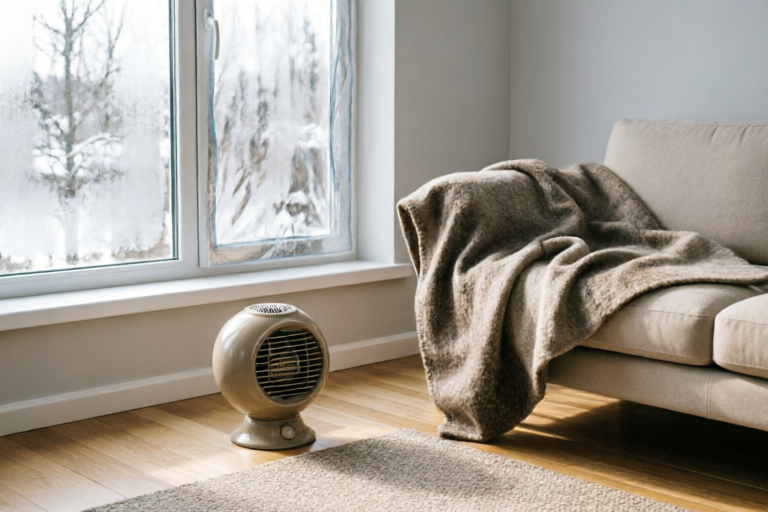
Best Ways to Keep Your Home Warm in Winter
Stay Warm, Save Money, and Enjoy a Comfortable Winter
Introduction: Understanding the Importance of a Warm Home During Winter
Winter brings its own set of challenges, from plummeting temperatures to higher heating bills. Maintaining warmth in your home is crucial not only for comfort but also for health and energy efficiency. Cold homes can lead to increased utility costs, discomfort, and even health issues. In this article, we'll explore practical ways to keep your home warm during the winter season, ensuring you stay cozy without breaking the bank.
Insulation: The First Line of Defense Against Cold Weather
Proper insulation is one of the most effective ways to keep heat inside your home. By preventing warm air from escaping and cold air from entering, insulation helps maintain a consistent temperature throughout the house. Common areas that require attention include windows, doors, and attics. Identifying these problem spots and addressing them with appropriate insulation can make a significant difference in your home's overall warmth.
Tips for Identifying Areas That Need Better Insulation
- Windows: Look for gaps around window frames or single-pane windows that allow cold air to seep in. Double or triple-pane windows are more effective at retaining heat.
- Doors: Check for drafts around door thresholds and install weatherstripping to seal any gaps.
- Attics: Ensure that your attic is properly insulated to prevent heat loss through the roof.
DIY Insulation Projects and Professional Services
If you're comfortable with DIY projects, there are several affordable insulation solutions you can tackle yourself. For example, adding insulation batts between wall studs or sealing gaps with caulk can be done relatively easily. However, for larger projects or if you're unsure about the work involved, it may be worth consulting a professional contractor who specializes in home insulation.
Heating Systems: Choosing Efficient and Cost-effective Solutions
The type of heating system you choose plays a critical role in both comfort and energy efficiency. There are several options available, including radiators, underfloor heating, and forced-air systems. Each has its pros and cons, so understanding your needs and preferences will help you make an informed decision.
Overview of Different Types of Heating Systems
- Radiators: Radiators distribute heat evenly throughout rooms and can be either electric or gas-powered.
- Underfloor Heating: This system provides gentle, radiant heat from beneath the floor, creating a more uniform warmth.
- Forced-Air Systems: These use fans to circulate heated air through ducts, which can be less efficient due to heat loss in the ductwork.
Energy-efficient Options
In addition to traditional heating methods, consider modern innovations like smart thermostats, which learn your schedule and adjust temperatures accordingly. Renewable energy sources such as solar panels or geothermal systems offer long-term savings and reduced environmental impact.
Maintaining Existing Systems
To ensure your heating system operates efficiently, regular maintenance is essential. Clean filters, inspect pipes for leaks, and have professionals perform annual checkups to catch potential problems early.
Window Treatments: Blocking Out the Cold with Style
Windows are often the weakest link in terms of insulation, allowing substantial heat to escape. Fortunately, there are stylish yet functional window treatments that can help retain warmth while enhancing your home’s aesthetics.
Variety of Window Treatments
- Curtains: Thick curtains made from materials like velvet or wool can act as additional barriers against cold drafts.
- Blinds: Cellular shades trap air between layers, providing excellent insulation.
- Shutters: Solid wood shutters offer both privacy and thermal protection.
Choosing Materials and Colors
Dark-colored fabrics absorb more sunlight, helping to warm up spaces during the day. Additionally, selecting materials with high thermal resistance ratings ensures better insulation properties.
Extra Layers of Protection
Consider installing double-glazed windows or adding storm windows for added insulation. These features further block out cold air and reduce heat transfer.
Sealing Drafts: Small Changes That Make a Big Difference
Drafts can enter homes through small gaps around doors, electrical outlets, and other openings. Addressing these areas can significantly improve indoor temperatures and reduce energy consumption.
Common Draft Sources
- Gaps Around Doors: Install weatherstripping or draft stoppers to seal off any openings.
- Electrical Outlets: Use foam gaskets behind outlet covers to prevent air leakage.
- Baseboards: Apply caulk along baseboards where walls meet floors.
Methods for Sealing Drafts
- Weatherstripping: Ideal for sealing gaps around doors and windows.
- Caulking: Useful for filling small cracks and crevices.
- Draft Stoppers: Effective for blocking cold air under doors.
Regular Checks
It's important to periodically inspect your home for new drafts, especially after seasonal changes. A thorough check once a year can help identify potential problem areas before they become major issues.
Lifestyle Adjustments: Practical Tips to Stay Cozy Without Breaking the Bank
There are simple habits and creative ideas that can help you stay warm naturally without relying solely on mechanical heating systems.
Simple Habits for Natural Heat Retention
- Use area rugs to add warmth to cold floors.
- Wear warmer clothing indoors, such as sweaters or slippers.
- Close off unused rooms to concentrate heat in living areas.
Inviting Spaces During Colder Months
- Add cozy blankets and throw pillows to create a welcoming atmosphere.
- Light candles or use scented oils to enhance the ambiance.
- Arrange furniture to maximize natural light and warmth from windows.
Eco-friendly Practices
Adopting sustainable practices like turning down the thermostat slightly or using programmable thermostats can save money on utilities while reducing your carbon footprint.
Conclusion: Putting It All Together for a Comfortable Winter Season
By implementing the strategies outlined above—insulating effectively, choosing efficient heating systems, utilizing window treatments, sealing drafts, and making lifestyle adjustments—you can enjoy a warm and comfortable winter season. Balancing comfort, cost-efficiency, and environmental responsibility ensures that your home remains cozy without excessive energy usage. Remember, every little improvement counts towards creating a more pleasant and economical winter experience.
Comments

Great tips! I'm trying to stay cozy without breaking the bank. Wearing warmer clothes indoors is a no-brainer.

I'm curious about the different types of heating systems. Anyone have experience with underfloor heating?

I did some DIY insulation in my attic. It was a bit tricky but totally worth it. Anyone else done this?

Adding rugs really helped. They make the room feel warmer and look nicer too. Great tip!

This worked for me! I switched to a smart thermostat and it made a huge difference in both comfort and savings.

I love the idea of using curtains to block out the cold. Any recommendations for materials that are both stylish and effective?

I never thought about sealing drafts around my house. I'll try the weatherstripping and caulking. Anyone tried this?

Same issue here. My heating bills skyrocket every winter. This article is spot on with its advice.