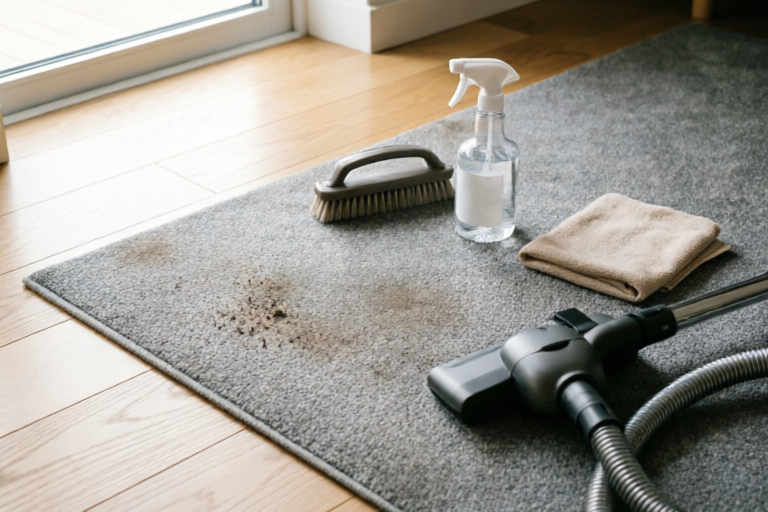
How to deep clean carpets without expensive tools?
Clean Floors, Smart Savings
How to Deep Clean Carpets Without Expensive Tools?
Carpets bring warmth, comfort, and style to any room in your home. However, over time, they accumulate dust mites, allergens, stubborn stains, and hidden grime that regular vacuuming simply cannot remove. While professional steam cleaning services promise perfection, they come with a hefty price tag and scheduling hassles. Fortunately, achieving a pristine carpet doesn’t require renting an industrial-grade extractor or hiring specialists.
This ultimate guide reveals how to deep clean carpets without expensive tools. By leveraging common household items and mastering a few manual techniques, you can revitalize your flooring for a fraction of the cost of commercial equipment. Whether you are dealing with pet accidents, daily wear and tear, or odors left behind by high traffic, these proven strategies will help you restore your carpet’s vibrancy. Let’s dive into the art of affordable, thorough carpet care.
1. Assessing Your Needs and Gathering Common Household Items
Before applying any liquids or scrubbing, preparation is key. Deep cleaning is not merely about getting the carpet wet; it is a systematic process that requires the right arsenal. You might think you need a $300 rental machine, but most of what you need likely already sits in your utility closet.
Understanding Your Carpet Type
The first step in assessing your needs is knowing what material you are dealing with. Wool, synthetic blends, nylon, and olefin react differently to moisture and cleaning agents. Natural fibers like wool are more delicate and prone to shrinking or color bleeding, requiring milder solutions. Synthetic fibers like nylon are tough and tolerate more aggressive scrubbing. Always check the manufacturer’s label if available. If not, perform a patch test on an inconspicuous area to ensure colors do not run.
Gathering Essential Household Items
You can transform your home into a professional cleaning station using items you probably own:
- Sturdy Brushes: Avoid the soft bristles used for dusting. You need a stiff-bristled scrub brush, ideally with a handle for leverage. An old toothbrush is invaluable for tight edges and loops.
- Buckets: Two buckets are ideal. One for your cleaning solution and another for rinsing dirty water.
- Absorbent Towels: Old white t-shirts, cotton rags, or microfiber towels work best. White is crucial to prevent dye transfer onto lighter-colored carpets.
- Mop and Wring: A traditional sponge mop with a spinning bucket can act as a makeshift floor dryer. Alternatively, paper towels can work for smaller areas.
- Measuring Cups: Precision ensures your solutions remain safe for fibers while remaining effective.
In addition to these core items, having some heavy-duty gloves and eye protection is wise, especially when handling concentrated cleaning agents or mixing strong odorous solutions. By assembling these tools beforehand, you eliminate interruptions during the cleaning process, ensuring efficiency.
2. Performing a Deep Vacuum and Pre-Treating Stains
One of the most common mistakes homeowners make is rushing straight to the liquid phase. Skipping the dry cleanup phase can actually push dirt deeper into the carpet backing, creating mud instead of removing grime. Dry cleaning is the foundation of a wet deep clean.
The Art of Thorough Vacuuming
Standard quick-passes with a vacuum are insufficient. For a deep clean vacuum, adopt a multi-directional approach. Go over the carpet once longitudinally, once transversely, and diagonally if possible. This loosens embedded sand and debris trapped at the base of the pile. Don’t forget to move furniture. Vacuuming underneath sofas and beds is non-negotiable for a truly hygienic result.
Identifying Heavy Grime Spots
Even after vacuuming, some areas will show obvious discoloration. This is pre-treatment territory. Spot treatments prevent the main cleaning solution from being wasted on small, heavy-grime areas. Look for:
- High Traffic Areas: Hallways and entryways often have compacted dirt that feels rough underfoot.
- Stain Centers: Spills that dried weeks ago may have hardened salts or sugars.
- Pet Zones: Areas where animals sleep or eat often contain oils and dander invisible to the naked eye.
Pre-Treating Techniques
To treat heavy grime before washing, apply a small amount of your chosen cleaning mixture directly to the spot. Let it sit for 5-10 minutes to break down the bond between the soil and the fiber. For sticky substances, a blunt knife or spoon edge can gently lift surface residue without damaging the weave. Remember, blotting is always superior to rubbing. Rubbing spreads the stain and frays fibers, whereas blotting lifts contaminants away.
3. Crafting Budget-Friendly Deep Clean Solutions
Commercial carpet shampoos are expensive and often laden with harsh chemicals that degrade synthetic fibers over time. Creating your own solution using pantry staples is cheaper, eco-friendlier, and often more potent for household messes. Here is the science behind three primary ingredients.
White Vinegar: The Neutralizer
Distilled white vinegar is acidic, typically around 5% acetic acid. This acidity helps neutralize alkaline residues (like soap scum) and kills many bacteria and mold spores. It also dissolves mineral deposits found in hard water. However, never use undiluted vinegar on sensitive fibers like silk or wool, as it can strip natural oils.
Baking Soda: The Absorbent Scrub
Sodium bicarbonate acts as a mild abrasive. Its granular structure helps physically scrub away dirt while its chemical properties absorb odors. Baking soda is particularly effective for freshening up carpets that smell stale but don’t necessarily look dirty. It acts as a poultice for greasy spots.
Mild Dish Detergent: The Grease Cutter
Your morning coffee spills or food drips often contain oils. Water alone won’t cut oil; you need a surfactant. Mild liquid dish detergent (without bleach or moisturizers) lowers the surface tension of water, allowing it to penetrate carpet fibers and lift grease particles effectively.
Recipe: The Universal All-Purpose Cleaner
For a general deep clean, mix the following in a bucket:
- 1 Quart of Warm Water (not hot, as heat sets protein stains).
- 1/4 Cup White Vinegar.
- 1 Tablespoon Mild Dish Detergent.
For a more powerful deodorizing boost, sprinkle a generous layer of baking soda over the entire carpet, let it sit for an hour, and vacuum it up *before* applying the liquid mixture below. This double-action method lifts dirt mechanically and chemically. Test your mixture on a hidden corner of the room first to ensure the colorfastness of your carpet. If bubbles form immediately upon application, add a little more water to dilute the concentration.
4. Executing the Manual Agitation and Extraction Process
Now comes the physical labor. Without a motorized wand, your hands are your extraction tool. The goal here is not to saturate the carpet, but to agitate the solution into the fibers and then squeeze it out.
Step-by-Step Agitation
Begin working in small sections, roughly 3x3 feet, to manage the drying time. Pour your solution into a spray bottle or a bowl. Do not flood the carpet. Apply the liquid evenly across the section. Using your sturdy brush, scrub the fibers.
Pay attention to the direction. If the carpet has a nap (a visible direction the fibers lean), scrub gently with the grain to avoid fraying. If the carpet is low-pile, circular motions are acceptable to break up soil clumps. Be firm but consistent. You want to create friction without stripping the pile. This agitation wakes up the dormant dirt trapped deep within.
The Manual Extraction Method
Owning a machine means extracting dirty water instantly. Without one, you must simulate this action. Take your clean, dry towel or rag. Place it firmly on the wet carpet and press down with your palm or foot. Walk on it, pressing repeatedly. Change the towel frequently once it becomes visibly soiled. If you continue using a gray, dirty towel, you are simply wiping the carpet with filth.
The Wet Mop Technique: If the area is large, use a damp mop head soaked in the solution to spread the cleaner. Immediately follow it with a dry mop head or a clean towel wrapped around the floor of a bucket wringer to absorb the excess. For even better results, place heavy objects like books or weights on top of the wet area for a minute to force absorption, though this is less common for home users.
Dry Towel Pressing
For the final extraction pass, use paper towels or multiple layers of cloth. The paper towel method is excellent for absorbing surface moisture quickly. Layer the towels, press down, and peel up. Repeat until the towel comes away relatively dry. If you see brown water transferring to the towel, repeat the process until the runoff is clearer. This ensures you haven’t left significant amounts of dirty water sitting in the padding, which causes odors.
5. Ensuring Proper Drying and Preventing Future Dirt Buildup
The final stage is arguably the most critical for long-term health of your carpet. Leaving a carpet wet for too long invites mold growth, mildew smells, and bacterial blooms. You must accelerate the evaporation process immediately after extraction.
Maximizing Airflow and Ventilation
Open windows and doors to create a cross-breeze. Fans are essential. Point oscillating fans directly at the cleaned area. Ceiling fans running on reverse or forward will circulate air efficiently. If you have central air conditioning, turn it on. Dehumidifiers are highly recommended in humid climates to pull moisture from the air. Aim to get the carpet completely dry within 6 to 12 hours.
Monitoring for Residue and Odors
Once the carpet feels dry to the touch, inspect it closely. Does it feel sticky? Sticky residue usually indicates too much soap was left behind. In this case, lightly mist with clean water and blot again. Does it smell damp? This suggests mold development. If odor persists after drying, try sprinkling baking soda again, waiting 15 minutes, and vacuuming it off thoroughly.
Establishing Regular Maintenance Habits
Deep cleaning is a periodic event, but maintenance keeps it looking good in between. Implement these rules:
- No Shoes Policy: Enforce a strict no-outdoor-shoes policy indoors. Footwear tracks 90% of the dirt into the home.
- Frequent Vacuuming: Vacuum high-traffic areas two to three times a week. Low traffic can wait for weekly passes.
- Immediate Blotting: Never rub spills. Blot immediately to prevent setting.
- Rugs at Entry Points: Place high-quality mats outside and inside doors to catch moisture and grit before it hits the carpet.
By following these habits, you extend the lifespan of your carpet. A well-maintained carpet retains its color and texture longer, delaying the need for costly replacements. Furthermore, regular deep maintenance prevents the buildup of toxic allergens, keeping your indoor air quality high.
Conclusion: Embrace the Power of DIY Care
Deep cleaning carpets does not require expensive machinery or professional intervention. With a strategic approach involving household tools, natural cleaning agents, and diligent manual effort, you can achieve showroom results at home. This method saves you money, reduces chemical exposure in your home, and gives you control over the schedule and intensity of the clean.
Remember, consistency is more important than intensity. A routine that includes regular vacuuming, immediate spot treatment, and a thorough deep clean twice a year using these budget-friendly methods will keep your floors looking their best for years. Start your inventory today, gather your buckets and brushes, and breathe easier knowing your home’s foundation is clean, healthy, and sustainable.
Comments

This worked amazing on my kitchen mats. Definitely doing the whole house weekend.

Quick question: can I use colored towels? Dont wanna leave dye on the white carpet.

Saved me renting that ugly machine for $100. Honestly the arm workout was better lol.

My golden retriever sheds everywhere. Will the manual scrub actually get the dander out or just push it deeper?

Honestly my neighbor uses just hot water and salt for grease stains. Might give that a shot next.

Does anyone know how long to wait before walking on it again? I stepped in a wet spot today 😭
Tried the vinegar baking soda mix, smelled weird at first but dried fast. Finally cleaned our living room carpet for under $5!