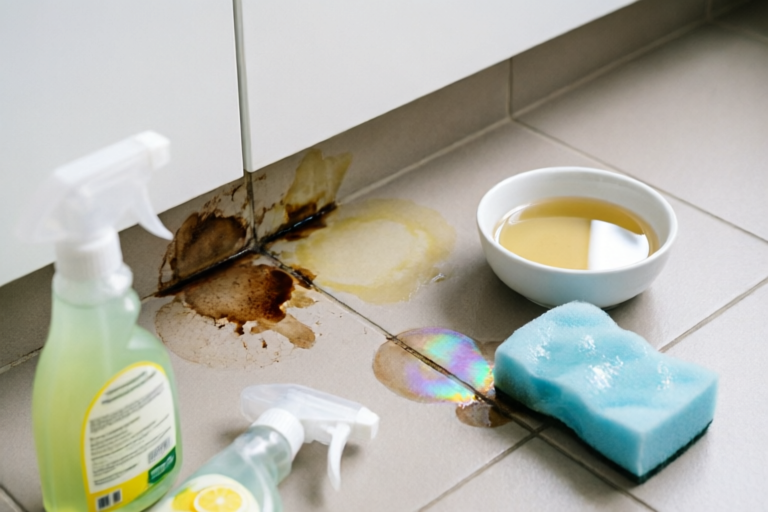
How to Clean Stains from Kitchen Tiles
Keep Your Kitchen Tiles Sparkling Clean
Introduction
Kitchen tiles are a popular choice for their durability and ease of cleaning. However, despite their resistance to wear and tear, they can still accumulate various stains over time. These stains can come from oil and grease splatters, mold and mildew growth, rust, and even coffee or tea spills. Regular cleaning and maintenance are essential to ensure that your kitchen tiles remain in top condition and retain their aesthetic appeal.
Basic Cleaning Techniques
Preparing Necessary Cleaning Supplies
To start, gather the following supplies:
- Clean water
- Mild detergent
- A soft-bristled brush
Begin by rinsing the tiles with clean water. Apply a small amount of mild detergent to the soft-bristled brush and gently scrub the tiles in circular motions. Rinse thoroughly with water and dry with a soft cloth.
Steps for a Basic Scrubbing Routine
Establish a routine for maintaining tile cleanliness. Aim to clean your tiles at least once a week, depending on usage and traffic. This will help prevent the buildup of dirt and grime, making it easier to tackle more stubborn stains when they do appear.
Removing Oil and Grease Stains
Identifying Oil and Grease Stains
Oil and grease stains are common in kitchens due to cooking activities. These stains often appear as dark spots or streaks on the surface of the tiles.
Effective Methods for Removal
To remove oil and grease stains:
- Apply a generous amount of baking soda to the stained area.
- Moisten the baking soda with warm water to form a paste.
- Use a soft-bristled brush to scrub the paste into the stain.
- Rinse the area with warm water and dry it with a soft cloth.
Alternatively, you can use a solution of dish soap and warm water. Apply the solution to the stain, let it sit for a few minutes, then scrub and rinse thoroughly.
Dealing with Mold and Mildew Stains
Recognizing Mold and Mildew Growth
Mold and mildew thrive in damp environments, so they are common in kitchens. Look for black or greenish spots on the tiles, especially in corners or areas with poor ventilation.
Using Vinegar or Bleach Solutions
To eliminate mold and mildew:
- For a natural approach, mix equal parts white vinegar and water.
- Apply the solution to the affected area using a spray bottle or sponge.
- Let it sit for about 10 minutes.
- Scrub gently with a soft-bristled brush, then rinse with water and dry.
If the mold is particularly stubborn, you may need to use a bleach solution. Mix one part bleach with three parts water, apply it to the moldy area, and let it sit for 15-20 minutes before rinsing and drying.
Eradicating Rust Stains
Common Causes of Rust Stains
Rust stains can occur if metal objects are left in contact with the tiles for extended periods or if water containing iron deposits is used frequently.
Techniques Involving Oxalic Acid or Hydrogen Peroxide
To remove rust stains:
- For a gentle approach, create a paste using baking soda and hydrogen peroxide. Apply the paste to the rust stain, let it sit for 10-15 minutes, then scrub and rinse.
- For tougher rust stains, you can use oxalic acid. Dilute the acid according to the manufacturer's instructions and apply it to the stain. Let it sit for several minutes, then rinse thoroughly and dry.
Always wear gloves and protective eyewear when handling oxalic acid, as it is a strong chemical.
Treating Stubborn Coffee or Tea Stains
Understanding Why Coffee and Tea Can Leave Stains
Coffee and tea contain tannins, which can cause discoloration over time. These stains can be particularly challenging to remove if not addressed promptly.
Utilizing Hydrogen Peroxide or a Mixture of Baking Soda and Vinegar
To treat coffee or tea stains:
- Apply hydrogen peroxide directly to the stain and let it sit for 10-15 minutes.
- Alternatively, mix baking soda and vinegar to form a paste. Apply the paste to the stain, let it sit for 10 minutes, then scrub and rinse.
Repeat the process if necessary until the stain is completely removed.
Preventive Measures and Maintenance Tips
Regular Cleaning Schedules and Practices
To prevent future stains, establish a regular cleaning schedule. Clean your tiles at least once a week, and after each cooking session. Use a microfiber cloth to wipe down the tiles daily to catch any spills or splatters before they have a chance to set in.
Proper Use of Sealants and Protective Coatings
Consider applying a sealant or protective coating to your tiles. These products can help repel water and other liquids, making it easier to maintain the tiles' appearance. Apply the sealant according to the manufacturer's instructions and reapply as needed.
Conclusion
In conclusion, keeping your kitchen tiles clean and free from stains requires a combination of regular cleaning and targeted treatments for specific types of stains. By following the methods outlined in this guide, you can effectively maintain the appearance of your kitchen tiles and extend their lifespan. Consistent cleaning habits are key to ensuring that your kitchen remains both functional and visually appealing.
Comments

Love these tips! Trying the baking soda and vinegar mix next.

Keeping up with a regular schedule is key. My tiles look brand new!

Does anyone know if these methods also work on grout?
Sealants are a must. Prevents so many headaches later.

This worked for me! Hydrogen peroxide took care of those pesky coffee rings.

Rust stains were a nightmare until I tried oxalic acid. Game changer!

I've been battling mold for weeks. Vinegar worked wonders!

Same issue here with grease stains. Baking soda really does the trick!