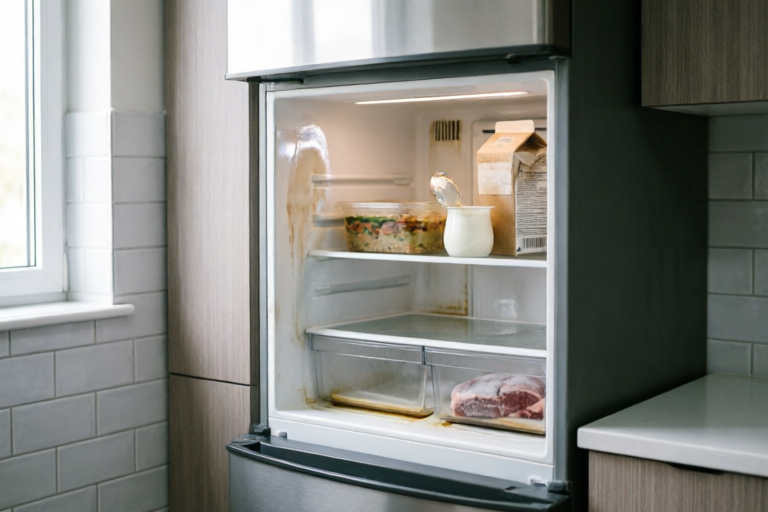
Why Does My Refrigerator Smell Bad?
Keep Your Fridge Fresh and Odor-Free
Introduction to the Problem
Have you ever opened your refrigerator door only to be greeted by an unpleasant smell? This is a common issue that many households face, and it can be quite frustrating. The odor could come from various sources, ranging from spilled food to forgotten leftovers. Addressing this problem promptly is important because a smelly refrigerator not only affects the taste of stored foods but also poses potential health risks.
Common Causes of Bad Odors in Your Refrigerator
Spilled or Leaking Food Items
One of the most frequent reasons for a smelly fridge is spills or leaks from food containers. Liquids like milk, juice, or condiments can easily seep through packaging and create strong odors when left unchecked. It's crucial to clean up any messes immediately to prevent these substances from fermenting and causing more severe odors over time.
Forgotten or Expired Food
Another major contributor to fridge odors is forgotten or expired food items. Leftovers that have been sitting too long can start to decompose, releasing foul smells. Similarly, packaged goods with extended shelf lives might still develop off-flavors if they're exposed to moisture or temperature fluctuations inside the fridge. Regularly checking and rotating inventory helps minimize this risk.
Improper Air Circulation
A poorly ventilated refrigerator can trap odors rather than dissipate them. Overcrowding shelves with tightly packed items prevents proper airflow, which can lead to lingering smells. Ensure there’s enough space between items so cool air can circulate freely throughout the unit.
Old Refrigerator Filters
If your fridge has a water dispenser or ice maker, its internal filters need regular replacement as well. These filters can become clogged with minerals and bacteria over time, affecting both the quality of the water and contributing to unwanted odors.
How to Diagnose the Source of the Smell
Before you start scrubbing everything down, take some time to diagnose exactly what’s causing the stink. Here’s how:
- Inspect all compartments: Check each drawer, shelf, and corner carefully for signs of spillage or decay.
- Smell individual items: Sometimes certain foods might give off their own distinct aroma; identifying these culprits will help pinpoint the source.
- Look for mold growth: Mold tends to grow in moist environments, often hidden behind food packages or under lids.
Effective Cleaning Methods to Eliminate Odors
Natural and Chemical Cleaning Solutions
There are several ways to tackle those stubborn fridge odors:
- Baking soda: Place an open box of baking soda at the bottom of your fridge. Its neutralizing properties help absorb unwanted smells.
- Vinegar: Mix equal parts white vinegar and water into a spray bottle. Spray onto surfaces, let sit for five minutes, then wipe clean.
- Citrus peels: Leave orange, lemon, or lime peels inside overnight to naturally deodorize.
Tips for Deep-Cleaning Your Refrigerator Interior
To ensure thorough cleaning:
- Remove everything from the fridge before starting.
- Use warm, soapy water mixed with a mild detergent for washing.
- Rinse thoroughly and dry completely before restocking.
Preventative Maintenance Techniques
In addition to deep cleans, here are some preventive measures:
- Wipe up spills immediately.
- Store foods properly according to their type (e.g., dairy products should stay near the top).
Maintenance Tips to Keep Your Fridge Fresh-Smelling
Regular Cleaning Schedules
Schedule routine cleanings every few months depending on usage frequency. This proactive approach keeps your fridge smelling fresh without needing emergency interventions.
Proper Storage Practices
Follow these guidelines to maintain freshness:
- Keep raw meats separate from other foods.
- Use airtight containers for leftovers.
Upgrading or Replacing Old Components
\nConsider upgrading parts such as gaskets or filters periodically. Worn-out seals around doors allow warm air to enter, leading to bacterial growth and bad odors.
When to Seek Professional Help
Signs That Your Fridge Needs Repair
If despite your efforts, the smell persists, it might indicate deeper issues requiring professional attention. Look out for:
- Strange noises during operation.
- Increased energy bills due to inefficiency.
Benefits of Professional Appliance Services
Professional technicians can diagnose and fix underlying problems faster and more accurately than DIY attempts. They also offer warranties on repairs, giving you peace of mind.
Cost Considerations and Warranty Information
While professional service comes with costs, investing in timely repairs saves money in the long run compared to buying a new unit. Always check warranty coverage details before proceeding with any work.
Conclusion: Maintaining a Fresh, Odor-Free Fridge
By understanding the common causes of fridge odors and following our advice on diagnosis, cleaning, and maintenance, you can keep your refrigerator smelling fresh and functioning optimally. Remember, prevention is key—regular checks and proper hygiene go a long way toward preserving the integrity of your appliance. Stay proactive about keeping your kitchen environment healthy and enjoyable!
Comments

I use activated charcoal instead of baking soda. It absorbs odors really well and is more sustainable.

Is there a way to check if my fridge is circulating air properly?

This worked for me. I emptied the fridge, wiped everything down with vinegar, and let it dry before putting things back.

How often do you recommend cleaning the fridge to prevent odors?

My fridge smelled weird because the filter needed replacing. It's been working great since then!

I used baking soda in the fridge and it helped a lot. Just make sure to change it every month.
Same issue here. I found out it was an old carton of milk that had leaked. Once I cleaned everything, the smell was gone!