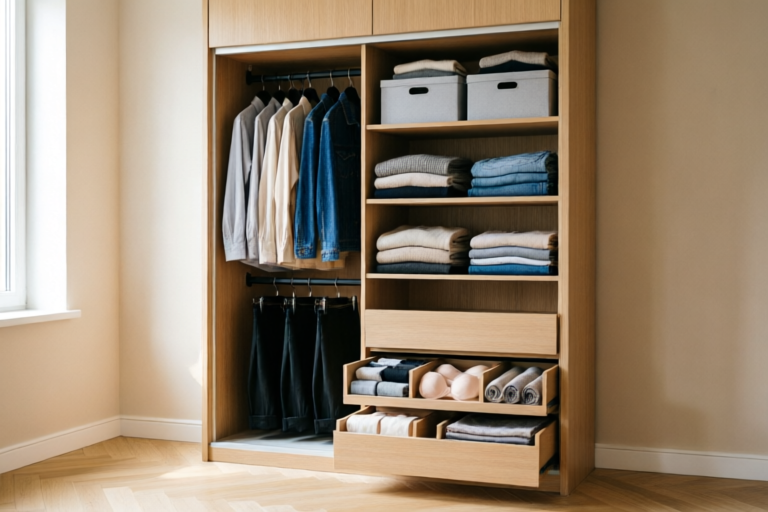
What Are the Best Ways to Organize a Small Closet?
Transform Your Small Closet into an Organized Haven
Introduction to Closet Organization
Organizing a small closet can be a daunting task, but it's essential for maintaining a functional and aesthetically pleasing living space. Small closets often come with limited space, making it challenging to store all your belongings efficiently. However, with the right strategies, you can turn even the smallest closet into a well-organized and accessible storage solution.
Understanding the Challenges of Small Closet Spaces
One of the primary challenges of small closet spaces is the lack of room for everything you need to store. It's easy to feel overwhelmed by the sheer number of items you want to keep, leading to clutter and disorganization. This not only makes it difficult to find what you're looking for but also reduces the overall aesthetic appeal of your home.
The Importance of Effective Organization
Effective closet organization is crucial for both functionality and aesthetics. A well-organized closet allows you to quickly find and access your belongings, saving time and reducing stress. Additionally, a tidy closet can enhance the appearance of your bedroom or any other room it belongs to, contributing to a more pleasant living environment.
Overview of Best Practices
In this article, we'll explore several best practices for organizing a small closet, including assessing your space and needs, utilizing vertical storage solutions, implementing smart shelving and drawer systems, adopting efficient packing techniques, and maintaining order through regular decluttering.
Assessing Your Space and Needs
The first step in organizing a small closet is to assess your space and understand your specific needs. This involves identifying what items you actually use versus what you store and measuring your closet dimensions for optimal layout planning.
Identifying What You Actually Use
Start by taking inventory of the items currently in your closet. Be honest about what you use regularly and what you rarely touch. This will help you prioritize the most frequently used items and make room for those that are less important.
Measuring Your Closet Dimensions
Measure the height, width, and depth of your closet to get a clear understanding of the available space. This information will guide you in choosing the right storage solutions that fit perfectly within your closet.
Prioritizing Seasonal vs. Everyday Clothing
Consider the frequency of use when deciding where to place items. For example, hang everyday clothing at eye level for easy access, while storing seasonal items on higher shelves or in bins.
Utilizing Vertical Storage Solutions
Maximizing the vertical space in your closet is one of the most effective ways to increase storage capacity. By utilizing the full height of your closet, you can store more items without sacrificing floor space.
Maximizing Height with Tall Shelves and Hanging Organizers
Install tall shelves that reach the ceiling to take advantage of the uppermost areas of your closet. Use hanging organizers for items like belts, scarves, and ties to keep them out of the way but still accessible.
Installing Pegboards or Hooks
Pegboards or hooks are excellent for hanging belts, bags, and other accessories. They provide easy access to frequently used items and help keep your closet organized and clutter-free.
Using Slim-Line Drawers or Stackable Bins
Slim-line drawers or stackable bins are ideal for storing folded items such as sweaters, jeans, and undergarments. These options allow you to neatly organize your folded clothes while maximizing vertical space.
Implementing Smart Shelving and Drawer Systems
Choosing the right shelving and drawer systems can significantly improve the organization of your small closet. Modular units that can be easily rearranged offer flexibility and adaptability to changing storage needs.
Choosing Modular Units
Modular units are highly versatile and can be adjusted as your storage needs change. Look for units that can be stacked, hung, or placed on shelves to create a customized storage solution.
Creating Zones Within the Closet
Create distinct zones within your closet for different types of items, such as shoes, jewelry, and accessories. This helps maintain organization and makes it easier to find what you need.
Adding Clear Dividers or Labels
Use clear dividers or labels to categorize and identify items within each zone. This ensures that everything has its place and makes it simple to locate specific items when needed.
Adopting Efficient Packing Techniques
Efficient packing techniques can help you save space and keep your closet organized. By using smart packing methods, you can store more items without sacrificing accessibility.
Rolling Clothes Instead of Folding
Rolling clothes instead of folding them can save space and reduce wrinkles. Rolled items take up less room and are easier to access than folded ones.
Vacuum-Sealing Off-Season Garments
Vacuum-sealing off-season garments or rarely used items can save valuable space in your closet. Consider storing these items in vacuum-sealed bags to keep them fresh and out of the way.
Using Drawer Dividers and Multi-Compartment Boxes
Drawer dividers and multi-compartment boxes are great for storing small accessories like socks, underwear, and accessories. They help keep these items organized and easily accessible.
Maintaining Order and Decluttering Regularly
To keep your small closet organized over the long term, it's important to establish a routine for regular cleaning and reassessment. By doing so, you can ensure that your closet remains functional and clutter-free.
Setting Up a Routine
Set aside time every few months to clean out your closet and reassess your storage needs. This helps you stay on top of any changes in your wardrobe or storage requirements.
Donating or Discarding Unnecessary Items
Regularly donate or discard items that no longer serve a purpose. This not only clears out unnecessary clutter but also helps you focus on the items you truly love and use.
Keeping the Closet Door Area Free from Clutter
Ensure that the area around the closet door remains free from clutter. This allows for quick access to your closet and keeps the surrounding space tidy.
Conclusion: Tips for Long-Term Success
In conclusion, organizing a small closet requires careful planning and attention to detail. By following the strategies outlined in this article, you can create a functional and visually appealing storage solution that meets your specific needs.
Recap of Key Strategies
Remember to assess your space and needs, utilize vertical storage solutions, implement smart shelving and drawer systems, adopt efficient packing techniques, and maintain order through regular decluttering.
Encouragement to Adapt Methods
Feel free to adapt these methods based on your personal preferences and the unique characteristics of your closet. The goal is to create a system that works best for you.
Final Thoughts on the Benefits
A well-organized closet offers numerous benefits, including increased functionality, improved aesthetics, and reduced stress. By investing time and effort into organizing your small closet, you'll enjoy a more pleasant and efficient living space.
Comments

This worked for me! Now my closet is a breeze to maintain. Thanks for the tips!

For pants and skirts, I hang them on hangers with clips. Saves so much space!
Vacuum sealing is a lifesaver for off-season clothes. Keeps them super compact.

How often do you recommend reassessing and decluttering? Every season?

I love the idea of rolling clothes. It really does save so much space and keeps things wrinkle-free.
Great tips! For shoes, I use those stackable boxes under the bed. Keeps them dust-free too.

Same issue here! My tiny closet was a mess. I started by decluttering and measuring everything. Pegboards for accessories were a game changer.