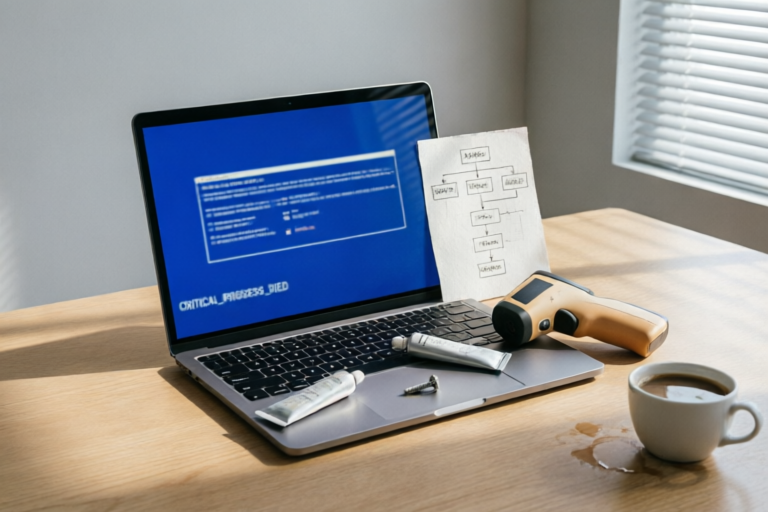
Why Does My Computer Keep Freezing?
Keep Your Computer Running Smoothly
### Article Outline: Why Does My Computer Keep Freezing?
1. Introduction to the Problem
Definition of computer freezing and its impact on productivity.
When your computer freezes, it can be incredibly frustrating. A frozen computer often stops responding to input, making it difficult to work or play. This issue can significantly disrupt your productivity, whether you're working on important documents, browsing the web, or playing games. The momentary pauses can lead to lost data, wasted time, and even increased stress.
Common signs that your computer is about to freeze.
Before a full freeze occurs, there are usually warning signs. These may include:
- Sluggish performance: Programs take longer to open or respond.
- Program crashes: Applications suddenly close without warning.
- System alerts: Error messages or notifications about low resources.
Importance of addressing frequent freezes.
Ignoring frequent freezes can lead to more severe issues, including hardware damage or data loss. It's crucial to address these problems promptly to maintain your computer's health and efficiency.
2. Understanding the Causes of Computer Freezing
Insufficient RAM and system memory issues.
Your computer relies heavily on Random Access Memory (RAM) to run multiple programs simultaneously. If your RAM is insufficient, your system may struggle to handle the workload, leading to freezes. Signs of insufficient RAM include:
- Programs taking an unusually long time to load.
- Frequent crashes or unexpected shutdowns.
Overheating due to dust accumulation or inadequate cooling.
Heat is one of the most common causes of computer freezing. Dust buildup inside the case can block airflow, causing components to overheat. Inadequate cooling systems, such as malfunctioning fans or clogged vents, can exacerbate the problem. To prevent overheating:
- Regularly clean your computer's interior.
- Ensure that all fans and vents are unobstructed.
Conflicting software programs and drivers.
Software conflicts can occur when multiple programs try to access the same resources simultaneously. Outdated or incompatible drivers can also cause issues. To avoid conflicts:
- Update your drivers regularly.
- Uninstall unnecessary programs.
Malware infections and security threats.
Malware, viruses, and other malicious software can severely impact your computer's performance. They can consume system resources, corrupt files, and cause frequent freezes. Regularly scanning your system for malware and installing reliable antivirus software can help protect against these threats.
Hardware failures such as failing hard drives or faulty components.
Physical hardware issues, such as failing hard drives or damaged components, can also lead to computer freezes. If you suspect hardware failure, consider seeking professional assistance to diagnose and repair the problem.
3. How to Diagnose the Cause of Your Computer Freezing
Using built-in tools like Task Manager (Windows) or Activity Monitor (Mac).
Both Windows and Mac offer built-in tools to help diagnose system performance issues:
- Task Manager (Windows): Press
Ctrl + Shift + Escto open Task Manager. Check the CPU, memory, and disk usage to identify any resource-hogging processes. - Activity Monitor (Mac): Open the Applications folder, then Utilities, and click on Activity Monitor. Review the CPU, memory, and energy impact to find problematic apps.
Checking for recent software installations or updates.
New software installations or updates can sometimes introduce conflicts or bugs. If you notice freezing after installing or updating software, try disabling or uninstalling the recently added programs to see if the issue resolves.
Monitoring temperature with hardware monitoring software.
Overheating is a common cause of computer freezing. Use hardware monitoring software to check your system's temperature. Popular options include:
- HWMonitor: For Windows users.
- Temperature Monitor: For Mac users.
Running virus scans and checking for malware infections.
Malware can severely impact your computer's performance. Run a full system scan using your antivirus software to detect and remove any infections. If you don't have antivirus software, consider downloading a reputable solution like Avast, Bitdefender, or Malwarebytes.
4. Solutions to Prevent and Fix Computer Freezes
Increasing RAM and optimizing system memory usage.
If your computer frequently runs out of RAM, consider upgrading to a higher-capacity module. Additionally, close unused programs and limit the number of background processes to free up memory.
Cleaning out dust from fans and vents.
Dust can accumulate inside your computer, blocking airflow and causing overheating. Use compressed air to blow out dust from fans, vents, and other critical areas. Ensure that all internal components remain clean and well-ventilated.
Updating drivers and uninstalling unnecessary programs.
Outdated drivers can cause conflicts and reduce performance. Visit the manufacturer's website to download and install the latest drivers. Uninstall any programs you no longer use to free up system resources.
Ensuring proper ventilation and using cooling pads if necessary.
Improper ventilation can lead to overheating, especially in laptops. Place your laptop on a flat surface and ensure that the vents are not blocked. Consider using a cooling pad if your laptop tends to overheat.
Performing regular maintenance tasks like disk cleanup and defragmentation.
Regularly clean your hard drive by deleting temporary files, clearing caches, and removing unnecessary files. Defragmenting your hard drive can also improve performance, especially on older systems.
5. Advanced Troubleshooting Tips
Creating a new user account to isolate software conflicts.
If you suspect software conflicts, create a new user account and log in to test if the issue persists. This can help determine if the problem is related to specific user settings or installed programs.
Booting into safe mode to identify problematic applications.
Safe mode loads only essential services and drivers, allowing you to identify if certain applications are causing the freeze. Restart your computer in safe mode and gradually add programs back until you identify the problematic application.
Reinstalling the operating system as a last resort.
If all else fails, reinstalling the operating system can resolve many underlying issues. Make sure to back up your important files before proceeding. Follow the official installation guide provided by your operating system.
6. Conclusion and Final Recommendations
Recap of key points discussed in the article.
This article explored the common causes of computer freezing, including insufficient RAM, overheating, software conflicts, malware infections, and hardware failures. We also covered diagnostic tools, preventive measures, and advanced troubleshooting techniques to help you maintain a smooth-running computer.
Encouragement for proactive maintenance practices.
Regular maintenance is key to keeping your computer running efficiently. By following the tips outlined in this article, you can minimize the risk of freezing and enjoy a smoother computing experience.
Resources for further reading and support.
If you need additional assistance, consider visiting forums like Reddit's r/sysadmin or Tech Support Guy. You can also consult the official documentation for your operating system or seek professional help from certified technicians.
Comments

Can someone explain how to use Task Manager to diagnose this issue? I'm pretty new to all this.

Disk cleanup and defragmentation made a huge difference. Wasn't sure if it would work but glad I tried.

After running a full virus scan, my computer stopped freezing. Phew!

Booting into safe mode really helped me find out which app was causing the freeze. Uninstalled it and no more issues!

I added more RAM and it helped a lot! Before, my work was a nightmare with constant freezes.

Is it normal for overheating to cause random crashes? I just cleaned my laptop's vents but still having issues.

Same issue here. My PC was freezing every 10 minutes. Cleaned the dust and updated drivers, now it's much better.