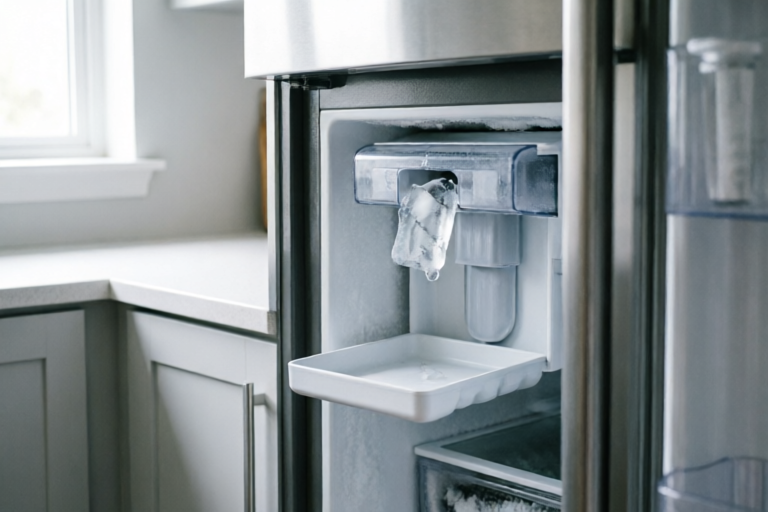
Why Does My Refrigerator Ice Maker Stop Working?
Keep Your Ice Maker Running Smoothly
Introduction to the Problem
If you've ever found yourself staring at an empty ice tray in your refrigerator, wondering why your ice maker isn't producing cubes, you're not alone. A malfunctioning ice maker can be frustrating, especially during hot summer days. Understanding the common signs and causes of an inoperative ice maker is crucial for maintaining the functionality of your refrigerator.
Common Signs That Your Ice Maker Has Stopped Working
- No ice cubes are being produced despite normal operation of the refrigerator.
- The ice bin is full, but no new ice is being added.
- A buzzing or humming noise coming from the ice maker.
- Water dripping from the ice maker, indicating a possible leak.
Importance of Maintaining a Functional Ice Maker in Your Refrigerator
Your refrigerator's ice maker is more than just a convenience; it's an integral part of your kitchen's functionality. A properly functioning ice maker ensures you have a steady supply of ice, which is essential for keeping beverages cold and refreshing. Additionally, a well-maintained ice maker can prevent potential water leaks that could cause significant damage to your kitchen floor or appliances.
Possible Causes of an Inoperative Ice Maker
Several factors can contribute to an ice maker stopping its production. Below are some of the most common causes:
Water Supply Issues
- Blocked Water Inlet Valve: The water inlet valve, responsible for supplying water to the ice maker, may become clogged with debris or ice particles.
- Low Water Pressure: Insufficient water pressure can prevent the ice maker from receiving the necessary amount of water to produce ice cubes.
Malfunctioning Water Inlet Valve or Solenoid
The water inlet valve and solenoid work together to regulate the flow of water into the ice maker. If either component fails, it can disrupt the entire ice-making process.
Issues with the Ice Maker Motor or Thermostat
The motor and thermostat are critical components of the ice maker. If the motor malfunctions, it won't be able to turn the mold to release the ice cubes. Similarly, a faulty thermostat can prevent the ice maker from sensing when the ice is ready to be harvested.
Troubleshooting Steps You Can Take at Home
Before calling a professional, there are several steps you can take to diagnose and potentially fix the problem yourself:
Checking and Resetting the Ice Maker Switch
Many ice makers have a manual switch that can be turned off and on. Check if the switch is set to 'On.' Sometimes, simply turning the switch off and back on can reset the system and restart the ice-making process.
Ensuring Proper Water Flow by Cleaning Filters and Lines
Clean or replace any filters in your water line to ensure unobstructed water flow. Also, check for kinks or blockages in the water supply line leading to the ice maker.
Testing the Ice Maker's Components for Any Physical Damage
Inspect the ice maker for any visible signs of damage, such as cracks or wear. If you notice any issues, it might be worth replacing the affected parts.
When to Call a Professional
While some issues can be resolved at home, there are times when it's best to leave the repairs to a professional. Here are some signs that it's time to call a technician:
Signs That It’s Time to Seek Professional Help
- The ice maker continues to malfunction after attempting basic troubleshooting steps.
- There are signs of water leakage or electrical issues.
- The refrigerator is under warranty, and professional service is covered.
Benefits of Hiring a Certified Technician
A certified technician has the knowledge and tools necessary to diagnose and repair complex issues. They can also provide expert advice on maintaining your refrigerator for optimal performance.
Preparing for a Service Call: What to Expect
When scheduling a service call, make sure to have your refrigerator model number handy. The technician will assess the problem, perform any necessary repairs, and may recommend additional maintenance to prevent future issues.
Preventive Maintenance Tips to Avoid Future Issues
Regular maintenance can help extend the life of your refrigerator's ice maker and reduce the likelihood of malfunctions. Here are some tips to keep your ice maker running smoothly:
Regular Cleaning of the Ice Maker and Surrounding Areas
Periodically clean the ice maker and the area around it to remove any buildup of ice, water, or debris. This can prevent blockages and ensure smooth operation.
Monitoring Water Quality and Supply
Ensure that the water supplied to your refrigerator is clean and free from contaminants. Consider using a water filter to improve water quality.
Proper Usage and Care of Your Refrigerator
Follow the manufacturer's guidelines for operating and maintaining your refrigerator. This includes regular defrosting, checking water lines, and ensuring the door seals are tight.
Conclusion and Final Thoughts
In conclusion, understanding the common causes of an inoperative ice maker and knowing how to troubleshoot the issue can save you time and money. By following the steps outlined in this article, you can often resolve minor issues on your own. However, don't hesitate to call a professional if the problem persists or if you notice any serious issues. Proactive maintenance practices can help ensure your refrigerator's ice maker remains functional for years to come.
For further assistance, consult your refrigerator's user manual or contact the manufacturer's customer support team.
Comments

This worked for me. Thanks for the tips!

Is it worth calling a pro if it's under warranty?

Regular cleaning really helps. I clean mine every 6 months, and it never gives me trouble.

I tried resetting the switch, but it didn't work. Now what?

My ice maker motor died. Any advice on replacing it myself?
This worked for me! I cleaned the filter and lines, and now the ice maker is back in business. Thank you!
I had no idea about checking the water pressure. Low pressure was the culprit for me. Increased it, and now it works like a charm.

Same issue here. Turns out my water inlet valve was just clogged with ice. Cleaned it, and voila! Ice is back.