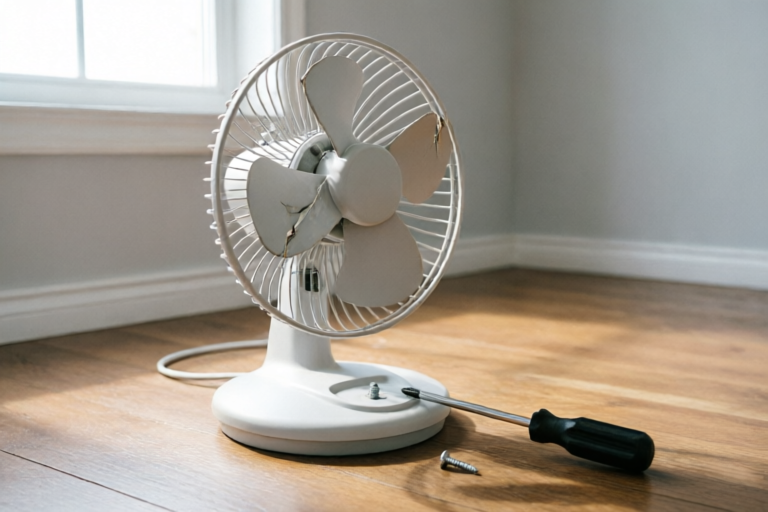
How to Fix a Common Home Appliance Issue
Keep Your Appliances Running Smoothly with These Easy Fixes
Introduction to Common Home Appliance Issues
Home appliances are essential parts of our daily lives, but they often face issues that can disrupt our routines. From minor inconveniences like a noisy refrigerator to more serious problems such as a malfunctioning washing machine, these issues can range from annoying to potentially hazardous.
It's crucial to address these problems promptly to avoid further damage or safety hazards. Ignoring small issues can lead to more significant and expensive repairs down the line. This article will guide you through identifying common appliance problems, basic troubleshooting techniques, and when it’s time to call in the professionals.
Identifying the Problem
The first step in fixing any problem is correctly diagnosing it. Here are some steps to help you identify what might be wrong with your appliance:
- Listen for unusual noises: Strange sounds could indicate mechanical issues or wear and tear.
- Check for visible damage: Look for dents, cracks, or other physical damage that might affect the appliance's performance.
- Review error codes: Many modern appliances display error codes that can give you clues about the issue.
- Test functionality: Try different functions to see which ones work and which don't.
Common signs that indicate an appliance needs repair or maintenance include:
- Frequent breakdowns or malfunctions.
- Increased energy consumption.
- Unusual smells or smoke.
- Loud noises during operation.
Basic Troubleshooting Techniques
Before calling a professional, there are several simple fixes you can try:
- Resetting circuits: Unplug the appliance and wait for a few minutes before plugging it back in.
- Checking power supply: Ensure the outlet is working properly and the appliance is receiving adequate power.
- Cleaning filters: Dirty filters can cause inefficiency and overheating.
To perform basic troubleshooting, you may need the following tools and materials:
- Multimeter
- Screwdrivers
- Replacement parts (if necessary)
- Cleaning supplies
Specific Fixes for Popular Appliances
Refrigerators
If your refrigerator isn't cooling properly, check the condenser coils for dust and clean them if necessary. Ensure the door seals are tight by placing a piece of paper between the door and the fridge and closing the door. If the paper moves easily, the seal needs replacing.
Washing Machines
A common issue with washing machines is leaking water. Check the water inlet valves and hoses for leaks. If you find a leak, replace the damaged part. Also, ensure the drain hose is properly connected and not kinked.
Dishwashers
For noisy dishwashers, check the spray arms for obstructions. Clean the filter located at the bottom of the dishwasher. If the dishwasher doesn't drain properly, clear any blockages in the drain hose.
When to Call a Professional
While many issues can be resolved with basic troubleshooting, there are times when you should seek professional help:
- Complex electrical issues
- Severe mechanical failures
- Gas leaks (in gas appliances)
Hiring a certified technician has several benefits:
- Professional expertise
- Guaranteed quality repairs
- Peace of mind knowing the job is done right
Preventative Maintenance Tips
To extend the life of your appliances, follow these preventative maintenance tips:
- Regularly clean filters and coils.
- Check for loose connections and tighten them if necessary.
- Keep appliances away from direct sunlight and heat sources.
Scheduling routine check-ups and cleaning schedules can also help prevent future problems. For example, have your HVAC system serviced annually and clean your dryer vent regularly.
Conclusion: Ensuring Longevity of Your Appliances
In conclusion, addressing common home appliance issues promptly and effectively is key to keeping your household running smoothly. By following the steps outlined in this article, you can save money on costly repairs and ensure your appliances last longer. Stay proactive about appliance care and maintenance, and you'll enjoy the benefits of reliable home appliances for years to come.
Comments

Cleaning the fridge coils made such a difference. It runs so much quieter now.

Same issue here. Will definitely try the maintenance tips next time.

This really helped! Fixed my dryer in 10 minutes. Thanks for the step-by-step guide!

Does anyone know if it's safe to clean behind the dishwasher by myself? I'm worried about damaging something.

I've always found that keeping a small toolkit helps a lot. Screwdrivers, pliers, and a multimeter are essentials.

For the washing machine, make sure the drain hose isn't kinked. That fixed mine!
Same issue with my fridge! Tried resetting it and it worked like a charm. Saved me a service call.