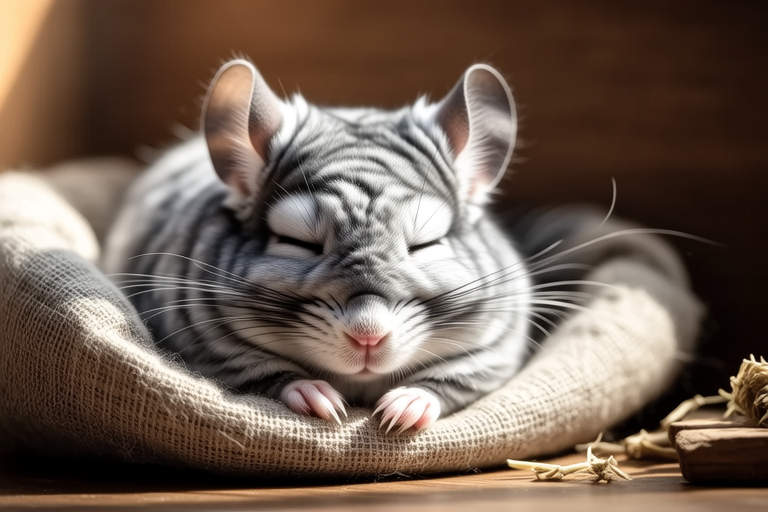
Chinchilla Sleep Patterns: What Happens When They Rest?
Welcome to our comprehensive guide on understanding the fascinating world of chinchilla sleep patterns. As pet owners or enthusiasts, it’s essential to understand how these adorable creatures rest to ensure they live happy, healthy lives. This article delves into the intricacies of chinchilla sleep habits, their typical sleeping positions, daily sleep requirements, environmental factors that influence their slumber, signs of healthy versus disrupted sleep, and practical tips for providing optimal resting conditions.
The Basics of Chinchilla Sleep
Chinchillas are small rodents native to the Andes Mountains in South America. Known for their dense, soft fur and playful nature, these nocturnal animals have unique sleep patterns that are adapted to their natural habitat. Unlike many other pets, chinchillas are primarily active during the night, which means they sleep during the day. Their sleep cycle is divided into periods of activity and rest, with multiple short naps throughout the day and longer periods of sleep at night.
Typical Sleeping Positions
Chinchillas often sleep in positions that keep them safe and comfortable. They prefer enclosed spaces such as nesting boxes or burrows, where they feel secure from predators. In captivity, this behavior translates to hiding in cozy corners of their cage or nest boxes. Some chinchillas may also sleep while sitting up, leaning against the side of their enclosure. Others might curl up in a ball, tucking their paws under themselves, similar to cats. This curled position helps them conserve body heat and feel protected.
Daily Sleep Requirements
Chinchillas require approximately 8-12 hours of sleep per day. However, it’s important to note that this can vary based on individual needs and environmental conditions. Younger chinchillas tend to sleep more than adults, as they need extra rest for growth and development. Older chinchillas might sleep less but take more frequent naps throughout the day. It’s crucial for owners to monitor their pet’s sleep patterns to ensure they’re getting enough rest.
Environmental Factors Affecting Sleep
The environment plays a significant role in determining how well your chinchilla sleeps. Temperature, lighting, noise levels, and even the presence of other pets can all impact their ability to get a good night’s rest. Chinchillas are sensitive to extreme temperatures, so maintaining a cool, dry environment is vital. The ideal temperature range for chinchillas is between 60-70°F (15-21°C). High humidity levels can also be detrimental, as chinchillas are prone to heat stress.
Lighting is another critical factor. Since chinchillas are nocturnal, exposure to bright lights during the day can disrupt their sleep cycle. It’s advisable to provide dim, indirect lighting in their living space during daylight hours. Noise levels should be kept low, especially at night when the chinchilla is most active. Sudden loud noises can startle them and cause stress, leading to poor quality sleep.
Signs of Healthy vs Disrupted Sleep
Identifying whether your chinchilla is getting healthy or disrupted sleep is crucial for their overall wellbeing. Signs of healthy sleep include regular napping during the day, calm behavior when resting, and being alert and active during waking hours. If your chinchilla appears lethargic, has difficulty falling asleep, or exhibits unusual behaviors like excessive grooming or pacing, it could indicate disrupted sleep.
One way to assess sleep quality is by observing their droppings. Well-rested chinchillas produce consistent, well-formed droppings. If you notice irregular or smaller droppings, it could be a sign of poor sleep or stress. Additionally, changes in eating habits or weight loss might suggest underlying health issues that affect sleep.
Tips for Ensuring Optimal Rest Conditions
To help your chinchilla achieve optimal rest conditions, consider the following tips:
- Create a Comfortable Nest Box: Provide a cozy nest box filled with soft bedding material like shredded paper or fleece. This will give your chinchilla a safe place to retreat and sleep.
- Maintain Proper Lighting: Use dim, indirect lighting during the day and ensure the area is dark at night to promote healthy sleep cycles.
- Control Noise Levels: Keep the environment quiet, especially during nighttime when your chinchilla is most active.
- Regulate Temperature: Maintain a cool, dry environment within the recommended temperature range to prevent heat stress.
- Provide Mental Stimulation: Engage your chinchilla with toys and activities during the day to tire them out, making it easier for them to fall asleep at night.
- Monitor Health: Regular veterinary check-ups can help identify any underlying health issues that may affect sleep.
Scientific Insights
Research suggests that chinchillas, like many other nocturnal animals, exhibit circadian rhythms that regulate their sleep-wake cycles. These internal biological clocks are influenced by external cues such as light and darkness. Disruptions to these rhythms can lead to sleep disorders, which in turn can affect overall health and longevity. Studies have shown that consistent, high-quality sleep is crucial for maintaining immune function, cognitive abilities, and emotional stability in both humans and animals.
Moreover, the social structure of chinchillas in the wild has been linked to their sleep patterns. Living in groups provides protection against predators, allowing individuals to rest more safely. In captivity, it’s beneficial to house chinchillas in pairs or small groups to mimic this natural social dynamic, promoting better sleep and overall wellbeing.
Conclusion
Understanding chinchilla sleep patterns is key to ensuring their happiness and health. By creating a comfortable, safe environment and monitoring their sleep habits, you can help your pet enjoy restful nights and active days. Remember, a well-rested chinchilla is a healthy chinchilla. Stay informed, stay vigilant, and provide the best care possible for these delightful little creatures.
