7 Mistakes Pet Owners Make with Their Red-Eared Sliders
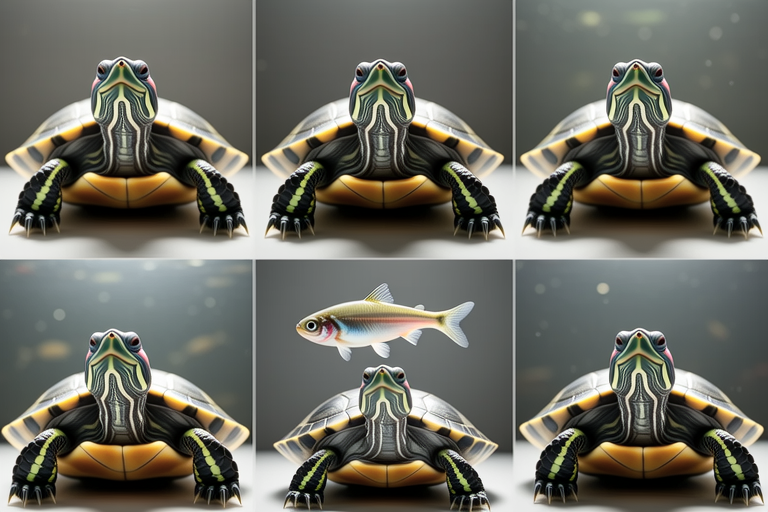
Red-eared sliders (Trachemys scripta elegans) are among the most popular pet turtles in the world. Known for their distinctive red stripes behind their eyes, these semi-aquatic turtles are often chosen for their relatively manageable size and appealing appearance. However, they have specific needs that must be met for them to thrive in captivity. Providing the right environment, diet, and care is crucial for their health and longevity. This article will explore seven common mistakes made by pet owners when caring for red-eared sliders, offering solutions and advice to ensure your turtle lives a long and healthy life.
Mistake 1: Insufficient Tank Size
One of the most common mistakes made by new turtle owners is keeping their red-eared sliders in tanks that are too small. Red-eared sliders are active creatures that require ample space to swim and bask. A rule of thumb is to provide at least 10 gallons of water per inch of shell length. For a fully grown adult, this means a tank of around 80-120 gallons. Small tanks lead to poor water quality, stress, and can stunt the growth of your turtle. Always choose the largest tank you can afford and maintain.
Mistake 2: Incorrect Temperature and Lighting
Temperature regulation is critical for red-eared sliders. They are ectothermic, meaning they rely on external sources for heat. The basking area should be between 85-90°F, while the water temperature should be maintained between 75-80°F. Many owners fail to provide adequate heating and lighting, which can result in metabolic issues. Use a high-quality heat lamp for basking and a submersible heater for the water. Additionally, UVB lighting is essential for calcium absorption and overall health. Replace UVB bulbs every six months, as their effectiveness diminishes over time.
Mistake 3: Poor Water Quality
Poor water quality is a leading cause of illness in captive red-eared sliders. These turtles produce a significant amount of waste, and without proper filtration, the water can become toxic. Invest in a powerful filter that matches the size of your tank. Regular water changes are also necessary; aim to change about 25% of the water weekly. Cleaning the tank and accessories thoroughly prevents bacterial and fungal infections. Consider using a water dechlorinator to remove harmful chemicals from tap water.
Mistake 4: Inadequate Diet
Feeding red-eared sliders a balanced diet is vital for their health. Many owners feed their turtles exclusively on pellets, which can lead to malnutrition. A varied diet that includes commercial turtle pellets, leafy greens, vegetables, and occasional protein sources like earthworms, crickets, and fish is recommended. Ensure that your turtle gets enough calcium and vitamin D3 to prevent metabolic bone disease. Supplements can be added to their food, but always consult a veterinarian before making dietary changes.
Mistake 5: Lack of Basking Area
Red-eared sliders need a dry basking area where they can completely leave the water to dry off and regulate their body temperature. An appropriate basking area should be large enough for the turtle to stretch out fully. It should also be easy for the turtle to climb onto and exit the water. Use a flat rock or platform and position it under a heat lamp to mimic natural sunlight. Ensure that the basking area is free from sharp edges or rough surfaces that could harm your turtle.
Mistake 6: Overhandling
While red-eared sliders may seem docile, they are not social animals that enjoy frequent handling. Excessive handling can cause stress and even injury. Turtles have fragile shells and limbs that can be damaged if mishandled. Limit interactions to necessary tasks such as feeding and cleaning. If you wish to bond with your turtle, spend time near its tank rather than directly handling it. Gradually introduce gentle handling only after your turtle has become accustomed to its environment.
Mistake 7: Ignoring Health Checks
Regular health checks are essential for maintaining the well-being of your red-eared slider. Many owners neglect routine veterinary visits, leading to undiagnosed conditions. Signs of illness include lethargy, loss of appetite, swollen eyes, or unusual behavior. Consult a reptile-savvy veterinarian at least once a year for a thorough examination. Early detection of problems can prevent more severe health issues down the line.
Tips for Responsible Slider Ownership
Understanding the unique requirements of red-eared sliders is key to their health and longevity. Provide a spacious tank with appropriate heating, lighting, and filtration. Offer a varied diet rich in nutrients and vitamins. Create a safe and comfortable basking area and limit unnecessary handling. Lastly, schedule regular health check-ups with a qualified veterinarian. By following these guidelines, you can ensure that your red-eared slider thrives in its new home.
Remember, owning a red-eared slider is a long-term commitment. With the right care and attention, these turtles can live up to 40 years. Take the time to learn about their specific needs and provide the best possible environment for your pet. Enjoy the rewarding experience of watching your turtle grow and thrive in your care.
