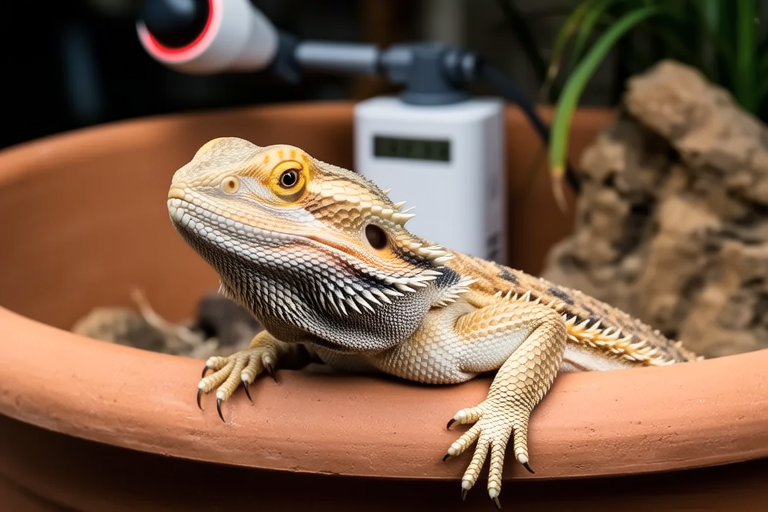
Top Secrets for a Happy Pet: A Comprehensive Bearded Dragon Care Guide
Introduction
Welcome to your ultimate guide on how to care for a bearded dragon, one of the most popular reptile pets. This guide is designed to provide you with all the necessary information to ensure your bearded dragon lives a long, healthy, and happy life. Whether you’re a beginner or an experienced owner, there’s always something new to learn about these fascinating creatures.
Essential Care Tips
Temperature Regulation
One of the most crucial aspects of bearded dragon care is maintaining the correct temperature gradient within their enclosure. Bearded dragons are ectothermic, meaning they rely on external heat sources to regulate their body temperature. The ideal temperature range for a bearded dragon is between 75°F and 95°F (24°C to 35°C). It’s important to provide a basking spot that reaches around 95-105°F (35-40°C) at its hottest point.
To achieve this, you can use a combination of heat lamps and under-tank heating pads. Always use a reliable thermometer to monitor the temperature, and never place the heat source directly above the substrate as it could cause burns.
Lighting Requirements
In addition to heat, bearded dragons require full-spectrum UVB lighting to synthesize vitamin D3, which is essential for calcium absorption. Without adequate UVB exposure, your dragon may develop metabolic bone disease, leading to severe health issues. Ensure that the UVB light is positioned close enough to the basking area so that your dragon can benefit from it, but not so close that it could burn its skin. Replace the bulbs every six months, even if they still appear to be working, as the UVB output diminishes over time.
Habitat Setup
A well-designed habitat is key to your bearded dragon’s happiness and health. A glass aquarium with a screen lid is a popular choice, but make sure it’s large enough for your dragon. For an adult bearded dragon, a 40-gallon tank is recommended. The tank should have a secure lid to prevent escapes and should be placed in a quiet area away from drafts.
The substrate should be non-toxic and easy to clean. Many owners prefer reptile carpet or paper towels for ease of cleaning, while others opt for sand or coconut fiber bedding. Avoid using small particle substrates like calci-sand, as they can pose a choking hazard.
Provide ample hiding spots and climbing opportunities. Branches, rocks, and caves can help your dragon feel secure and stimulate natural behaviors. Make sure all items are securely placed to prevent accidents.
Diet Recommendations
Feeding Schedule
Bearded dragons are omnivores, meaning they eat both plant matter and insects. Younger dragons need more protein from insects, while adults require a higher proportion of vegetables. A general rule of thumb is to feed young dragons daily and adult dragons every other day.
For insects, choose high-quality feeder insects such as dubia roaches, crickets, or superworms. Dust them with a calcium supplement before feeding, especially if your dragon doesn’t receive sufficient UVB light. Limit insect feeding to once a day, and vary the types of insects to provide a balanced diet.
Vegetables should make up the bulk of your adult dragon’s diet. Offer a variety of leafy greens like collard greens, mustard greens, and dandelion greens. Other suitable vegetables include carrots, squash, and bell peppers. Avoid iceberg lettuce and spinach, as they offer little nutritional value and can cause digestive issues.
Hydration
Bearded dragons get most of their hydration from their food, but providing a shallow water dish is still important. Change the water daily to prevent bacterial growth. Some dragons will drink from a water bowl, while others prefer to lap up droplets of water sprayed onto their enclosure.
Health Monitoring
Signs of a Healthy Dragon
A healthy bearded dragon is active, alert, and has clear eyes and nostrils. Their skin should be smooth and free from cuts or lesions. Regularly check your dragon’s weight and compare it to expected ranges for its age and size. If your dragon loses weight or shows signs of lethargy, consult a veterinarian specializing in reptiles.
Common Health Issues
Metabolic bone disease (MBD) is a serious condition caused by calcium deficiency. Symptoms include swollen limbs, soft jaw, and difficulty moving. To prevent MBD, ensure proper UVB lighting and a balanced diet rich in calcium.
Impaction occurs when a bearded dragon ingests substrate or food that cannot pass through its digestive system. Signs include constipation, lethargy, and lack of appetite. Prevent impaction by providing appropriate substrate and avoiding overly large or hard insects.
Handling Techniques
Bearded dragons are generally docile and enjoy being handled, but it’s important to approach them gently and with respect. Start by offering your hand for sniffing and allow your dragon to become comfortable with your scent. Once your dragon feels safe, you can gently pick it up by supporting its torso with one hand and placing the other hand underneath its belly.
Avoid handling your dragon too roughly or lifting it by its tail, as this can cause injury. Frequent gentle handling sessions can help build trust and make your dragon more confident and social.
Debunking Common Myths
Myth: Bearded Dragons Don’t Need Water
This myth is false. While bearded dragons obtain much of their hydration from their food, they still require access to fresh water daily. Providing a shallow water dish and occasionally misting their enclosure can help keep them hydrated.
Myth: Bearded Dragons Can Live in Small Tanks
Another common misconception is that bearded dragons can thrive in small enclosures. In reality, a cramped space can lead to stress and behavioral problems. Ensure your dragon has plenty of room to move around and explore.
Myth: Bearded Dragons Can Survive on a Diet of Insects Alone
Bearded dragons need a varied diet to stay healthy. A diet consisting solely of insects can lead to nutritional deficiencies. Offer a mix of insects and vegetables to provide a balanced diet.
Tips for Beginners
If you’re new to reptile ownership, take some time to research and prepare before bringing home your first bearded dragon. Choose a reputable breeder or pet store to purchase your dragon, and invest in quality equipment upfront to avoid costly mistakes later.
Join online forums and local reptile clubs to connect with other owners and gain valuable insights. Remember that every dragon is unique, so pay attention to your pet’s individual needs and adjust care accordingly.
Insightful Tips for Experienced Owners
Even experienced owners can benefit from staying informed about the latest advancements in bearded dragon care. Attend workshops and seminars to learn from experts and share knowledge with fellow enthusiasts. Consider keeping a journal to track your dragon’s behavior, diet, and health, which can be useful for identifying patterns and addressing issues early.
Finally, don’t hesitate to reach out to a veterinarian for guidance when needed. Regular check-ups and proactive care can help ensure your dragon enjoys a long and healthy life.
Conclusion
Caring for a bearded dragon is a rewarding experience that requires dedication and attention to detail. By following the tips outlined in this guide, you’ll be well on your way to creating a happy and healthy environment for your scaly friend. Remember, every bearded dragon is unique, so observe your pet closely and adjust care as needed. With the right knowledge and commitment, you can ensure your bearded dragon thrives for many years to come.
