Unveiling the Secrets of Siamese Cats
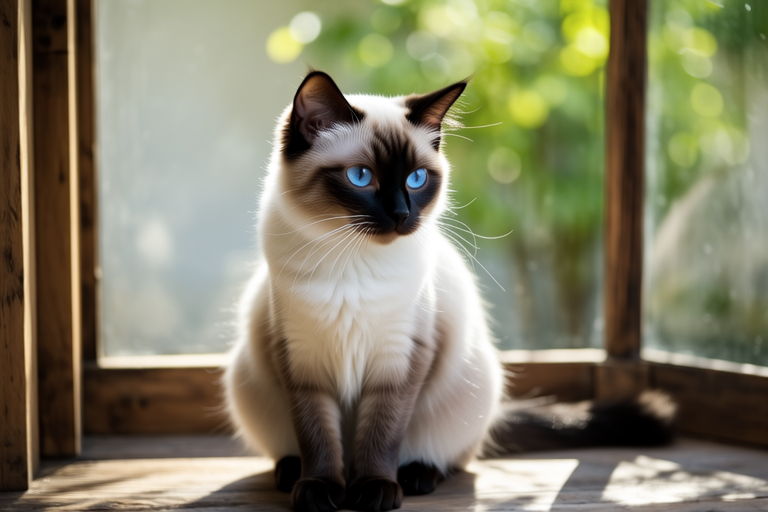
Siamese cats have long been known for their striking appearance, with their distinctive blue almond-shaped eyes, pointy ears, and short, sleek coats. However, beneath this iconic exterior lies a wealth of unique behaviors, mysterious traits, and hidden quirks that many owners choose to keep to themselves. From their vocal nature to their surprising loyalty, these felines offer a fascinating glimpse into the world of cat behavior. In this article, we will explore the lesser-known aspects of Siamese cats, dispelling common myths and providing valuable insights for both current and prospective owners.
The Vocal Nature of Siamese Cats
One of the most well-known characteristics of Siamese cats is their tendency to be quite vocal. These cats are often described as being “talkative” or “chatty,” and it’s not uncommon for owners to find themselves having “conversations” with their pets throughout the day. This vocalization is not just limited to meowing; Siamese cats can also make a range of other sounds, including chirps, trills, and even purrs that sound more like growls. While some people may find this constant communication charming, others might find it a bit overwhelming.
Many owners keep to themselves the fact that their Siamese cat’s vocalizations can sometimes be a form of manipulation. These clever creatures quickly learn that their meows can get them what they want—whether it’s food, attention, or simply a change in routine. One owner shared an anecdote about her Siamese cat, who would sit by the kitchen door and meow insistently every time she was preparing dinner. After a few days, the owner realized that the cat wasn’t just hungry; it had learned that this behavior led to extra treats.
Intelligence and Problem-Solving Abilities
Siamese cats are not only vocal but also highly intelligent. Their problem-solving abilities are often underappreciated, as they can figure out how to open doors, cabinets, and even turn on faucets. Many owners have stories of their Siamese cats finding creative ways to access areas they shouldn’t, such as climbing onto counters or jumping onto shelves. One owner recounted how her Siamese cat managed to unlatch the screen door by pushing it open with its paw, leading to several close calls with neighborhood cats.
These cats are also quick learners and can be trained to perform tricks, such as fetching toys or ringing a bell to signal when they’re ready to go outside. Owners often keep to themselves the fact that their Siamese cat’s intelligence can sometimes lead to mischief. For instance, one owner discovered that her cat had learned to open the fridge by pressing its paws against the handle, which resulted in several incidents of spoiled food.
Social Preferences and Loyalty
Despite their reputation for being aloof, Siamese cats are actually quite social animals. They thrive on companionship and enjoy spending time with their owners, often following them from room to room or curling up next to them on the couch. Many owners keep to themselves the fact that their Siamese cat has a strong preference for human interaction over solitude. One owner shared that her Siamese cat would become visibly upset if left alone for extended periods, sometimes pacing around the house or meowing loudly until she returned.
Siamese cats are also surprisingly loyal. They often form strong bonds with their owners and can be very protective of their territory and family members. One owner recounted how her Siamese cat would stand guard at the front door whenever someone new arrived, ensuring that everyone entering the home was welcomed properly. Another owner shared a story about her Siamese cat, who became visibly distressed when she had to leave for work each morning, often following her to the car and meowing until she drove away.
Common Myths Versus Realities
There are several misconceptions about Siamese cats that many owners keep to themselves. One common myth is that these cats are high-maintenance and require constant attention. While Siamese cats do enjoy social interaction, they are also independent and can entertain themselves when necessary. Another myth is that Siamese cats are aggressive or difficult to train. In reality, these cats are generally friendly and can be trained to use a litter box, play fetch, and even walk on a leash.
Another myth is that Siamese cats are prone to health problems. While it’s true that Siamese cats can be predisposed to certain conditions, such as respiratory issues and dental problems, they are generally healthy cats with a lifespan of 12 to 15 years. Many owners keep to themselves the fact that their Siamese cat’s health is largely dependent on proper care and regular veterinary check-ups. One owner shared that her Siamese cat had lived a long and healthy life thanks to a balanced diet, regular exercise, and annual vet visits.
Care Needs and Maintenance
Siamese cats have relatively low maintenance needs compared to other breeds. They require minimal grooming, as their short coats shed little and can be easily maintained with weekly brushing. However, owners often keep to themselves the fact that Siamese cats can be sensitive to changes in their environment. One owner shared that her Siamese cat became stressed after a move to a new home, resulting in excessive grooming and weight loss. It took several weeks of gradual acclimation for the cat to adjust to its new surroundings.
Siamese cats also have specific dietary needs that many owners keep to themselves. While they can eat a variety of commercial cat foods, it’s important to provide them with a balanced diet that includes protein, fat, and carbohydrates. One owner shared that her Siamese cat had developed a sensitivity to certain ingredients, such as grains and dairy products, leading her to switch to a grain-free, hypoallergenic formula. Another owner mentioned that her Siamese cat preferred wet food over dry food, so she made sure to include a sufficient amount of canned food in its daily meals.
Conclusion
Siamese cats are fascinating creatures with a wealth of unique behaviors, mysterious traits, and hidden quirks. From their vocal nature to their intelligence and loyalty, these cats offer a captivating glimpse into the world of feline behavior. While there are certainly challenges associated with owning a Siamese cat, the rewards far outweigh the difficulties. By understanding and embracing these cats’ distinct personalities, owners can create a loving and enriching environment for their pets.
For those considering adopting a Siamese cat, it’s important to be prepared for the demands of ownership while keeping an open mind about the joys that come with it. With proper care, attention, and love, Siamese cats can bring years of companionship and happiness to their human families.
