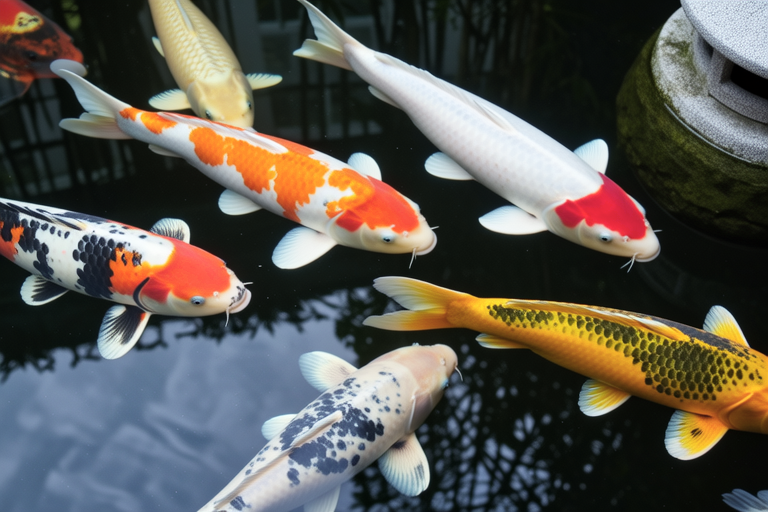
The Symbolic Significance and Cultural Implications of Koi Fish Colors and Patterns
Koi fish, also known as nishikigoi, have long been celebrated for their vibrant colors and intricate patterns. Originating in Japan, these ornamental carp hold deep symbolic meaning and cultural significance. Over centuries, the aesthetics of koi have evolved, reflecting changes in societal values, artistic preferences, and technological advancements in breeding techniques. This article explores the rich symbolism and cultural implications of various koi fish colors and patterns, tracing their historical origins and examining their psychological and emotional impacts.
Historical Origins and Evolution of Koi Aesthetics
The history of koi fish dates back to ancient China, where they were first domesticated for food. It wasn’t until the 18th century that Japanese breeders began selectively breeding them for their striking colors and patterns. Initially, koi were mostly red and white, but over time, new varieties emerged, including those with black, blue, yellow, and orange hues. Today, there are more than 100 recognized koi varieties, each with its unique characteristics and symbolism.
The evolution of koi aesthetics can be attributed to several factors, including advances in breeding technology, changing artistic tastes, and increased global interest in Japanese culture. For example, the introduction of modern selective breeding methods allowed breeders to create more vivid and diverse color combinations. Additionally, the rise of Japanese art forms such as ukiyo-e and ikebana influenced the appreciation of natural beauty, encouraging the development of more aesthetically pleasing koi varieties.
Symbolic Significance of Koi Colors and Patterns
Different koi colors and patterns carry distinct symbolic meanings, often associated with positive attributes such as strength, perseverance, and good fortune. Here’s a closer look at some common koi varieties and their symbolic significance:
- Red koi (Hikari Utsuri): Red is traditionally associated with courage, passion, and love. In Japanese culture, red koi symbolize success and good luck. They are often used in celebrations and festivals to bring joy and prosperity.
- White koi (Shiro Utsuri): White represents purity, innocence, and peace. White koi are believed to bring calmness and tranquility to their surroundings, making them ideal for meditation gardens or serene environments.
- Black koi (Kuro Utsuri): Black koi symbolize mystery, depth, and resilience. They are often associated with overcoming challenges and achieving success through perseverance. Black koi are highly prized for their elegance and strength.
- Blue koi (Ai Utsuri): Blue koi represent wisdom, loyalty, and trust. Their deep, calming color is said to promote mental clarity and emotional stability. Blue koi are particularly popular in Zen gardens and meditation spaces.
- Yellow koi (Ki Utsuri): Yellow koi symbolize happiness, optimism, and vitality. They are often associated with good health and positive energy. Yellow koi are frequently featured in Chinese New Year decorations to bring good fortune and prosperity.
- Multi-colored koi (Sanke and Showa): Multi-colored koi, such as Sanke and Showa, represent harmony, balance, and unity. These varieties feature a combination of red, white, and black or blue scales, creating a visually stunning and meaningful design. Multi-colored koi are often seen as symbols of peace and cooperation.
Cultural Implications and Variations Across Regions
The symbolic meanings of koi colors and patterns vary across different cultures and regions, reflecting local traditions, beliefs, and aesthetic preferences. For example, in Japan, koi are deeply intertwined with bushido (the way of the warrior), emphasizing qualities such as bravery, discipline, and honor. Japanese people often associate koi with overcoming adversity and achieving success through hard work and perseverance.
In contrast, Chinese culture places greater emphasis on the association between koi and feng shui. According to traditional Chinese beliefs, koi can bring good fortune and prosperity when placed in specific areas of a home or garden. The direction and placement of koi ponds or aquariums are carefully considered to maximize their positive energy flow. In addition, certain koi colors and patterns are believed to enhance specific aspects of life, such as wealth, health, and relationships.
Western cultures have also embraced the symbolism of koi, although with slightly different interpretations. In the United States, for instance, koi are often seen as symbols of personal growth and self-improvement. Many people keep koi in their backyard ponds as a reminder to persevere through difficult times and strive for success. Similarly, in Europe, koi are sometimes associated with tranquility and mindfulness, reflecting the growing popularity of meditation and wellness practices.
Psychological and Emotional Impacts of Koi Colors and Patterns
The psychological and emotional impacts of koi colors and patterns have been studied by researchers and experts in various fields, including psychology, art therapy, and environmental design. Studies suggest that exposure to certain colors and patterns can evoke specific emotions and moods, potentially influencing one’s overall well-being.
For example, red koi have been shown to stimulate the sympathetic nervous system, increasing heart rate and blood pressure, which can lead to feelings of excitement and arousal. On the other hand, blue koi have a calming effect on the parasympathetic nervous system, promoting relaxation and reducing stress levels. White koi, with their pure and serene appearance, can evoke feelings of peace and tranquility, while yellow koi are associated with happiness and optimism.
Moreover, the intricate patterns of multi-colored koi, such as Sanke and Showa, can capture one’s attention and foster a sense of wonder and curiosity. The harmonious combination of different colors and scales creates a visually appealing and emotionally satisfying experience, promoting a sense of balance and harmony.
Tips for Koi Enthusiasts: Selecting Fish Based on Color and Pattern Meanings
When selecting koi for your pond or aquarium, it’s essential to consider the symbolic meanings and emotional impacts of different colors and patterns. Here are some tips to help you choose the right koi for your space:
- Consider your environment and purpose: If you’re looking to create a peaceful and tranquil atmosphere, consider adding white or blue koi. For a more energetic and uplifting ambiance, opt for red or yellow koi. Multi-colored koi are perfect for spaces that require balance and harmony.
- Match the koi to your personal goals and aspirations: If you’re striving for success and good fortune, red or black koi might be the best choice. For those seeking inner peace and calmness, white or blue koi could be more appropriate. Multi-colored koi are ideal for individuals who value cooperation and unity.
- Consult with experienced breeders and experts: Before purchasing koi, consult with experienced breeders and experts who can provide guidance on selecting healthy and vibrant fish. They can also offer advice on maintaining optimal water conditions and ensuring the well-being of your koi.
- Consider the cultural context: When choosing koi, think about the cultural context and symbolism associated with different colors and patterns. By doing so, you can create a more meaningful and impactful display that resonates with your personal values and beliefs.
Conclusion
The symbolic significance and cultural implications of koi fish colors and patterns are rich and multifaceted, offering valuable insights into human nature, aesthetics, and spirituality. From their historical origins to their current-day applications, koi continue to captivate and inspire people around the world. By understanding the psychological and emotional impacts of different koi colors and patterns, koi enthusiasts can make informed decisions when selecting fish for their ponds or aquariums, enhancing the aesthetic and symbolic value of their aquatic displays.
