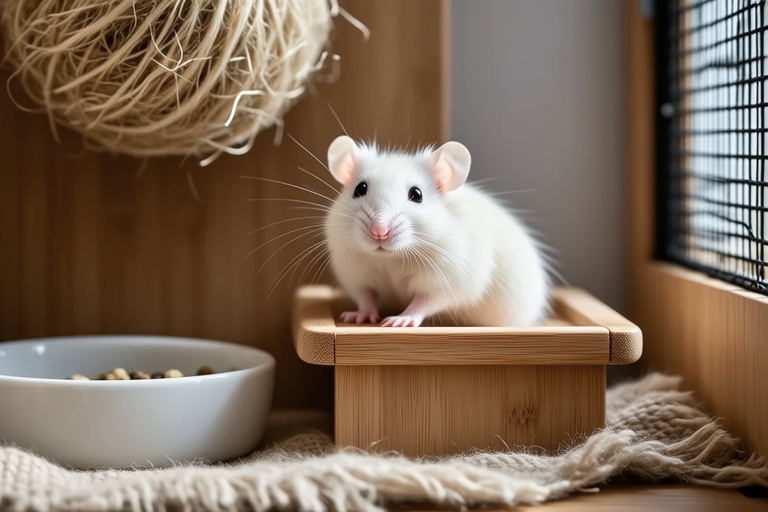
How to Create the Perfect Home for Your Chinchilla
Welcome to the world of chinchilla ownership! These adorable rodents are known for their luxurious fur and playful nature. However, providing them with a perfect home requires careful planning and consideration. This comprehensive guide will walk you through everything you need to know about creating an ideal living environment for your chinchilla, ensuring they thrive both physically and mentally.
Habitat Size
The first step in setting up your chinchilla’s home is choosing the right cage. A spacious enclosure allows your pet to move around freely and exercise, which is crucial for maintaining good health. Opt for a cage that measures at least 24 inches wide by 36 inches deep by 36 inches high. Larger cages are even better as they provide more room for your chinchilla to explore and play.
Ensure that the cage has multiple levels or platforms to encourage climbing and jumping, activities that come naturally to these agile creatures. Avoid overcrowding the cage with too many accessories; instead, focus on providing ample space for your chinchilla to run and stretch.
Suitable Bedding Materials
Selecting appropriate bedding is vital for keeping your chinchilla comfortable and healthy. Wood shavings such as aspen are popular choices due to their absorbency and lack of harmful oils. Avoid pine and cedar shavings, as they can irritate your chinchilla’s respiratory system.
Alternatively, consider using paper-based bedding products specifically designed for small animals. These options are safe, easy to clean, and provide excellent insulation against cold temperatures. Regardless of what type of bedding you choose, ensure it remains dry and free from mold growth. Regularly replace old bedding with fresh material to maintain hygiene within the cage.
Temperature and Humidity Requirements
Chinchillas originate from the Andes Mountains in South America where temperatures tend to be cool and dry. Therefore, maintaining optimal conditions inside their habitat is essential for their well-being. Aim to keep the ambient temperature between 60°F and 70°F (15°C – 21°C). Avoid exposing your chinchilla to direct sunlight or drafts from windows and doors.
Humidity levels should also be kept low, ideally below 40%. High humidity can lead to skin issues like fur slip, where patches of fur fall out easily. To combat this problem, invest in a dehumidifier if necessary, especially during humid seasons when natural moisture levels increase.
Necessary Toys and Accessories for Mental Stimulation
To prevent boredom and promote mental stimulation, incorporate various toys into your chinchilla’s environment. Chew toys made from untreated wood or cardboard help wear down teeth that continuously grow throughout their lives. Provide tunnels, hammocks, and ladders to encourage exploration and physical activity.
Rotate these items periodically so your chinchilla doesn’t become accustomed to them too quickly. Introducing new objects every few weeks keeps things interesting while preventing overuse-related damage. Additionally, offering treats like hay cubes or apple slices hidden within puzzles stimulates hunting instincts and rewards positive behaviors.
Proper Ventilation
Adequate ventilation ensures fresh air circulates through the cage, reducing odors and preventing the buildup of harmful gases. Install wire mesh panels along the sides or top of the enclosure to allow airflow without compromising security. Position the cage away from heat sources like radiators or heaters to maintain consistent temperatures.
If possible, place the cage near a window but shielded from direct sunlight. Natural light promotes overall health, but excessive exposure can cause overheating or eye strain. Consider adding a fan during warmer months to enhance circulation further.
Safety Precautions to Avoid Common Hazards
Several potential dangers exist within typical household environments that could harm your chinchilla. Keep electrical cords out of reach by securing them behind furniture or using cord organizers. Similarly, store cleaning supplies and other hazardous chemicals safely out of sight.
Avoid placing heavy objects above the cage to prevent accidents. Inspect all cage components regularly for signs of wear or damage, replacing any faulty parts immediately. Lastly, never leave your chinchilla unsupervised outside its enclosure unless supervised closely; they may attempt to chew on potentially toxic plants or ingest harmful substances.
Dietary Considerations
Providing a balanced diet rich in nutrients supports your chinchilla’s long-term health. The foundation of their nutrition comes from timothy hay, which should always be available in unlimited quantities. Supplement this staple food source with commercial pellets formulated specifically for chinchillas.
Occasionally offer small amounts of fresh vegetables like carrots, bell peppers, or dandelion greens as treats. Limit fruits to once per week due to their high sugar content. Always introduce new foods gradually to monitor how your chinchilla reacts and adjust accordingly based on individual preferences and sensitivities.
Conclusion
Creating the perfect home for your chinchilla involves thoughtfully considering each aspect of their habitat—from size and layout to temperature control and enrichment opportunities. By following the guidelines outlined here, you’ll set yourself—and your furry friend—up for success in enjoying years of companionship together. Remember, every chinchilla is unique, so pay close attention to your pet’s behavior and adjust their environment as needed to meet changing needs over time.
