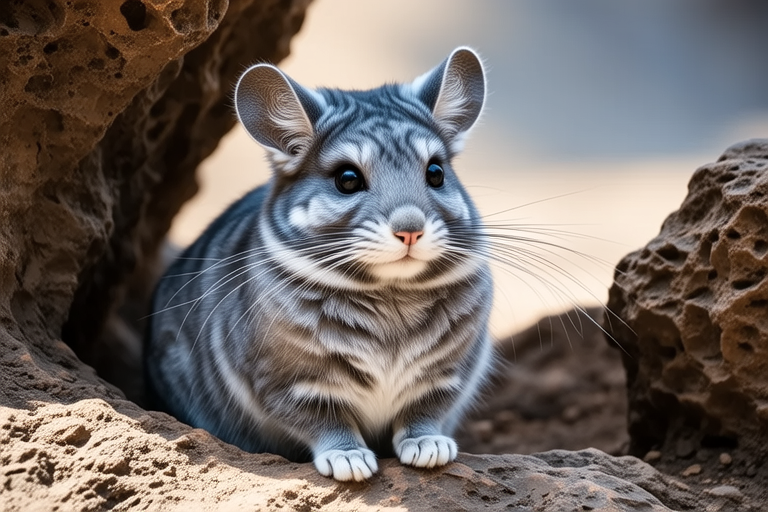
Chinchillas: From Desert-Dwellers to Domestic Pets
Introduction
Chinchillas are small, adorable rodents that have gained immense popularity as domestic pets. These fluffy creatures have a rich history that spans from their native deserts of South America to living rooms across the globe. This article explores the fascinating journey of chinchillas, delving into their natural habitat, physical characteristics, dietary needs, behavioral traits, and the specific care requirements for keeping them as pets.
The Natural Habitat of Chinchillas
Native to the Andes Mountains of South America, chinchillas live in high-altitude regions, typically above 3,000 meters. Their natural habitat includes rocky areas with crevices and caves, which provide shelter from predators and harsh weather conditions. The climate in these regions is generally cold, dry, and windy, which has shaped the chinchilla’s unique adaptations.
Physical Characteristics
Chinchillas are known for their soft, dense fur, which can have up to 60 hairs per follicle. This luxurious coat helps them survive in their chilly, arid environment. They have large ears, which assist in dissipating heat, and strong hind legs that enable them to jump impressive distances. Chinchillas come in various colors, including standard gray, beige, white, and black velvet.
Dietary Needs
In the wild, chinchillas feed on grasses, seeds, fruits, and other plant materials. As pets, they require a diet rich in hay, pellets formulated specifically for chinchillas, and fresh water. It’s essential to avoid feeding them sugary or fatty foods, as these can lead to health problems. Providing a balanced diet ensures their digestive system functions correctly and supports their overall well-being.
Behavioral Traits
Chinchillas are social animals that thrive in groups. In captivity, they can become attached to their human companions, showing affection through nuzzling and grooming. However, they are also independent and can spend time alone. Chinchillas are nocturnal, meaning they are most active during the night. Their playful nature makes them delightful pets, but they require appropriate stimulation to prevent boredom.
Care Requirements
Maintaining a chinchilla’s health and happiness requires attention to several key factors:
- Housing: Chinchillas need a spacious cage with multiple levels, allowing them to climb and explore. The cage should be placed in a quiet area away from direct sunlight and drafts.
- Toys: Providing toys, such as wooden blocks and tunnels, encourages mental and physical exercise.
- Grooming: Chinchillas bathe in dust rather than water. A dust bath filled with chinchilla-safe dust should be available at all times.
- Veterinary Care: Regular check-ups with a veterinarian experienced in exotic animals ensure early detection and treatment of any health issues.
Common Health Issues
Despite their hardiness, chinchillas can face certain health challenges:
- Respiratory infections: Due to their sensitive respiratory systems, chinchillas are prone to infections if exposed to dusty or damp environments.
- Overgrown teeth: Chinchillas’ teeth continuously grow, requiring proper chewing materials to maintain a healthy length.
- Heatstroke: High temperatures can be dangerous for chinchillas, so it’s crucial to keep their environment cool and well-ventilated.
Breeding Habits
In the wild, chinchillas breed once a year, usually during the summer months. Females give birth to one or two offspring after a gestation period of approximately 111 days. In captivity, breeding can occur more frequently, but it is essential to consider the welfare of the mother and the offspring. Responsible breeding practices prioritize the health and happiness of the animals involved.
The History of Domestication
The domestication of chinchillas dates back to the 1920s when Mathias Chapman, an American mining engineer, brought a group of chinchillas to the United States. He aimed to establish a breeding colony to protect the species from overhunting in the wild. Over time, chinchillas became popular as pets due to their appealing appearance and docile nature. Today, chinchillas are bred primarily for companionship, and their wild counterparts remain protected under conservation laws.
Conclusion
From their origins in the high altitudes of South America to their current status as beloved pets, chinchillas have captivated people with their charm and uniqueness. Understanding their natural habitat, physical characteristics, dietary needs, behavioral traits, and specific care requirements is essential for providing a happy and healthy life for these fascinating creatures. By offering them the right environment, diet, and attention, pet owners can enjoy the company of these delightful animals for many years.
