Adorable Three-Striped Box Turtle: A Beginner’s Guide to Care and Feeding
Welcome to the wonderful world of three-striped box turtles! These charming reptiles, native to parts of Asia, are known for their striking appearance and gentle demeanor. If you’re considering adopting one as a pet, this guide will provide you with all the essential information you need to ensure your new friend thrives in captivity. From setting up the perfect habitat to understanding their dietary needs, we’ve got you covered.
Unique Characteristics of Three-Striped Box Turtles
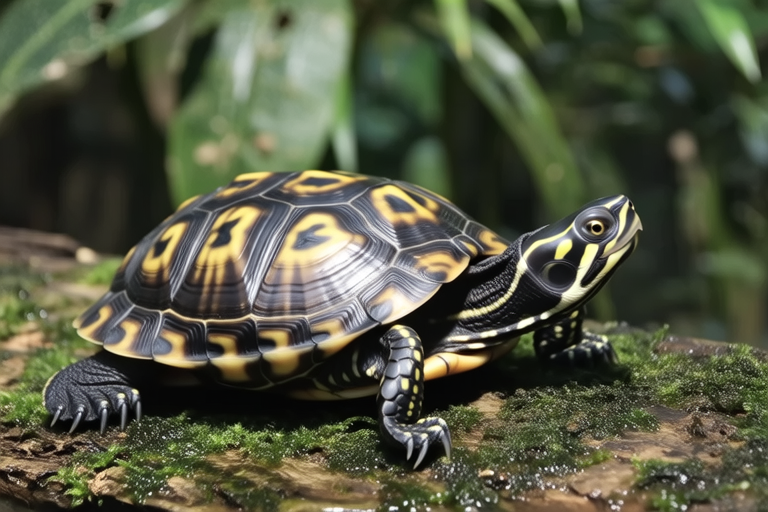
The three-striped box turtle gets its name from the three yellow stripes that run down its head and neck. Their shells are typically dark brown or black, often adorned with intricate patterns. These turtles are small, usually reaching lengths between 4 to 6 inches, making them ideal for smaller living spaces. Despite their size, they are quite active and require a stimulating environment.
Habitat Setup
Creating a comfortable and safe home for your three-striped box turtle is crucial. Start by choosing an appropriate enclosure. For young turtles, a 20-gallon aquarium can suffice, but adult turtles will need at least a 40-gallon tank or a larger outdoor pen. The enclosure should mimic their natural habitat as closely as possible.
Provide a substrate that allows for burrowing, such as coconut fiber or a mix of topsoil and sand. Avoid cedar shavings, as they can be harmful. Include hiding spots like half logs or caves to give your turtle a sense of security. Plants, both live and artificial, add aesthetic appeal and help maintain humidity levels.
A shallow water dish is necessary for drinking and soaking. Ensure it’s large enough for your turtle to submerge completely but shallow enough to easily exit. Change the water daily to keep it clean.
Temperature and Humidity Requirements
Maintaining the right temperature and humidity is vital for your turtle’s health. Daytime temperatures should range between 75 to 85 degrees Fahrenheit, while nighttime temperatures can drop slightly to 70 to 75 degrees. Use heat lamps or under-tank heaters to achieve these temperatures.
Humidity levels should be kept between 60% and 80%. A hygrometer can help monitor humidity. If levels are too low, misting the enclosure daily or adding a humidifier can help. Ensure there’s adequate ventilation to prevent mold growth.
Diet Specifics
Three-striped box turtles are omnivores, meaning they eat both plant and animal matter. Their diet should consist of approximately 70% vegetables, fruits, and greens, and 30% protein sources.
- Vegetables and Greens: Offer leafy greens like collard, mustard, and dandelion greens. Also include squash, carrots, and bell peppers.
- Fruits: Provide a variety of fruits, such as apples, strawberries, and blueberries. Limit citrus fruits due to their acidity.
- Protein Sources: Feed insects like crickets, mealworms, and earthworms. Occasional pinkie mice or lean meat can also be offered.
Vary the diet to ensure nutritional balance. Avoid iceberg lettuce and spinach, which have little nutritional value and can cause digestive issues.
Feeding Schedules
Younger turtles tend to eat more frequently than adults. Feed juveniles daily, while adults can be fed every other day. Always remove uneaten food after meals to prevent contamination. Offer fresh water daily in a clean, shallow dish.
Health Care Basics
Regular health check-ups are essential for maintaining your turtle’s well-being. Signs of illness may include lethargy, loss of appetite, swollen eyes, or respiratory issues. Consult a veterinarian specializing in reptiles if you notice any of these symptoms.
To prevent diseases, keep the enclosure clean and dry. Disinfect the tank and accessories regularly. Quarantine new turtles for at least 30 days before introducing them to existing pets to avoid spreading infections.
Common Mistakes to Avoid
Beginners often make several common mistakes when caring for three-striped box turtles. Here are some to watch out for:
- Improper Diet: Feeding an unbalanced diet can lead to nutritional deficiencies. Ensure a varied diet rich in vitamins and minerals.
- Incorrect Temperature and Humidity: Fluctuations can stress your turtle and lead to health problems. Invest in quality thermometers and hygrometers.
- Poor Hygiene: Dirty enclosures can harbor bacteria and parasites. Clean the habitat regularly and disinfect all equipment.
- Lack of UVB Lighting: UVB light is crucial for calcium absorption and overall health. Provide a full-spectrum UVB lamp and ensure it’s positioned correctly.
Tips for Ensuring Well-Being
In addition to proper care, here are some extra tips to ensure your three-striped box turtle remains healthy and happy:
- Provide plenty of space for exercise and exploration. Turtles are naturally curious and benefit from a stimulating environment.
- Handle your turtle gently and infrequently. Over-handling can cause stress.
- Observe your turtle’s behavior regularly. Changes in activity levels or eating habits may indicate underlying health issues.
- Supplement the diet with calcium and vitamin D3 if necessary, especially if the turtle is not receiving sufficient UVB light.
Conclusion
Raising a three-striped box turtle can be a rewarding experience, offering companionship and joy. By following the guidelines provided in this beginner’s guide, you’ll be well-equipped to care for your new pet. Remember, patience and attention to detail are key. With time and effort, you’ll create a loving environment where your turtle can thrive. Happy turtle-keeping!
