7 Common Mistakes Pet Owners Make When Caring for Red-Eared Slider Turtles
Introduction:
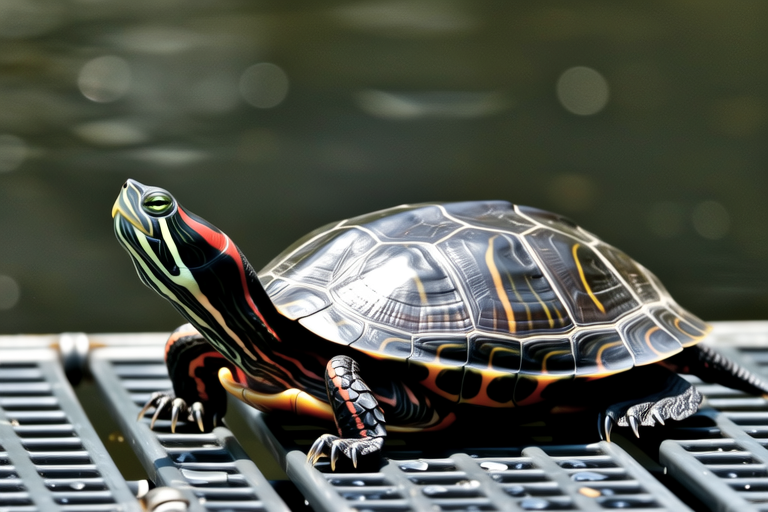
Red-eared slider turtles (Trachemys scripta elegans) have become one of the most popular pet choices worldwide. Their vibrant colors, relatively low maintenance, and appealing size make them an attractive option for both children and adults. However, despite their widespread appeal, many new owners may be unaware of the specific needs these reptiles require to thrive. Proper care involves more than just providing food and water; it includes understanding their habitat, diet, and overall health requirements. This article aims to guide you through some of the most common mistakes made by pet owners when caring for red-eared slider turtles and offers solutions to ensure your turtle lives a long and healthy life.
Mistake 1: Insufficient Space
What It Is: One of the biggest mistakes made by red-eared slider owners is keeping them in tanks that are too small. Many believe that a small aquarium or pond is sufficient for a young turtle but fail to account for growth.
Why It’s Harmful: Inadequate space can lead to stress, stunted growth, and behavioral issues. Turtles need ample room to swim, bask, and explore, which is essential for their physical and mental well-being.
How to Avoid It: Provide at least 10 gallons of water per inch of shell length for juvenile turtles and double that amount for adults. A basking area should also be included, ensuring there’s enough space for the turtle to fully extend its limbs and neck comfortably.
Mistake 2: Improper Water Quality
What It Is: Maintaining clean water is crucial for any aquatic turtle, yet many owners neglect regular water changes and filtration systems.
Why It’s Harmful: Poor water quality can cause respiratory infections, shell rot, and other serious health problems due to bacterial growth.
How to Avoid It: Use a reliable filter to maintain water cleanliness and perform weekly partial water changes. Regularly check ammonia and nitrite levels to ensure they remain within safe limits.
Mistake 3: Incorrect Diet
What It Is: Feeding red-eared sliders an imbalanced diet consisting mainly of commercial pellets or overfeeding them can result in nutritional deficiencies.
Why It’s Harmful: An improper diet leads to malnutrition, obesity, and metabolic bone disease, which can severely impact the turtle’s lifespan.
How to Avoid It: Offer a varied diet including leafy greens, vegetables, fruits, and occasional protein sources like insects or fish. Limit commercial foods to no more than half of the total diet and feed according to body size rather than frequency.
Mistake 4: Lack of UVB Lighting
What It Is: Many owners assume that placing their turtle under a standard lightbulb provides adequate lighting.
Why It’s Harmful: Without proper UVB exposure, turtles cannot synthesize vitamin D3 necessary for calcium absorption, leading to weakened bones and shell deformities.
How to Avoid It: Install full-spectrum UVB bulbs designed specifically for reptiles, replacing them every six months even if they still appear functional. Ensure the turtle has access to direct sunlight or artificial UVB light for several hours daily.
Mistake 5: Overcrowding
What It Is: Housing multiple turtles together without considering individual territories and personal space.
Why It’s Harmful: Crowded conditions increase competition for resources such as food and basking spots, potentially causing aggression and stress among the turtles.
How to Avoid It: Keep only one adult red-eared slider per tank unless the enclosure is exceptionally large and well-planned. Always introduce new turtles gradually and monitor interactions closely.
Mistake 6: Ignoring Temperature Control
What It Is: Failing to maintain appropriate temperature gradients within the turtle’s environment.
Why It’s Harmful: Incorrect temperatures hinder digestion, metabolism, and immune function, making the turtle susceptible to diseases.
How to Avoid It: Use submersible heaters to keep the water temperature between 75°F and 80°F (24°C to 27°C). The air temperature around the basking spot should range from 85°F to 90°F (29°C to 32°C).
Mistake 7: Neglecting Veterinary Care
What It Is: Assuming that turtles don’t need regular checkups because they seem healthy.
Why It’s Harmful: Early signs of illness might go unnoticed until symptoms worsen, delaying treatment and possibly compromising the turtle’s survival.
How to Avoid It: Schedule annual visits with a veterinarian experienced in reptile medicine. Routine exams help detect potential issues early and promote proactive healthcare.
Tips for Proper Turtle Care
In addition to avoiding the aforementioned mistakes, here are some general tips for maintaining a happy and healthy red-eared slider:
- Provide a balanced diet rich in vitamins and minerals.
- Ensure a clean living environment with appropriate water parameters.
- Monitor behavior and appearance regularly for any unusual changes.
- Encourage natural behaviors like swimming, basking, and exploring.
Resources for Further Learning
To deepen your knowledge about caring for red-eared sliders, consider consulting books written by experts in herpetology. Additionally, joining online communities dedicated to turtle enthusiasts allows you to share experiences and learn from others who have faced similar challenges.
By being aware of these common pitfalls and implementing best practices, you can provide optimal care for your red-eared slider turtle, ensuring it enjoys a fulfilling life alongside you.
