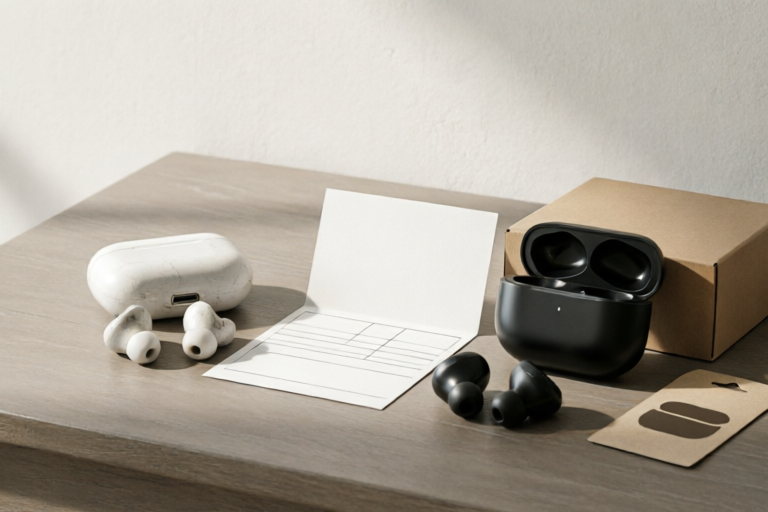
What Are the Key Features to Look for When Buying?
Make Smart Choices with These Key Features
Introduction to Essential Features in Purchasing Decisions
When making a purchase, whether it’s a new gadget, a piece of furniture, or a service, it's easy to get caught up in the excitement and overlook important details. Many consumers make common mistakes such as rushing into decisions, focusing solely on price, or neglecting to research thoroughly. These oversights can lead to dissatisfaction and regret down the line.
Understanding the key features of a product or service is crucial before making any purchase. It ensures that you're getting something that meets your specific needs and expectations. This article will walk you through the essential aspects to consider when buying anything, helping you avoid costly errors and ensuring a more satisfying outcome.
Functionality and Performance
The first thing to look at when evaluating a product is its functionality. Does it perform the tasks you need it to do efficiently? For instance, if you're buying a laptop, does it have enough RAM and processing power for your workloads? Understanding the core functions of a product helps you ensure it aligns with your requirements.
Performance Metrics
Performance metrics vary depending on the type of product. For electronics, this might include processing speed, battery life, or screen resolution. For vehicles, it could be fuel efficiency, horsepower, or safety ratings. Knowing these metrics allows you to compare different models objectively and choose one that performs optimally for your needs.
Durability and Build Quality
A product's durability and build quality are critical factors in determining its longevity. A well-built item should last longer, reducing the frequency of replacements and saving you money in the long run.
Tips for Assessing Lifespan
- Material Quality: Check what materials the product is made from. Higher-quality materials tend to last longer.
- Construction: Look for sturdy construction techniques like reinforced joints or solid frames.
- User Reviews: Read reviews from other buyers who have used the product over time to gauge its durability.
Factors Influencing Long-Term Reliability
- Maintenance: Some products require regular upkeep to maintain their performance.
- Environmental Conditions: Products exposed to harsh environments (e.g., outdoor furniture) may degrade faster.
- Usage Intensity: The more frequently or intensively you use a product, the quicker it might wear out.
Customer Support and Warranty
Strong customer support can make all the difference when things go wrong. Reliable after-sales service ensures that any issues are addressed promptly, enhancing your overall satisfaction with the purchase.
Types of Warranties Available
- Limited Warranty: Covers defects in materials and workmanship under normal use.
- Extended Warranty: Provides additional coverage beyond the standard warranty period.
- No-Fault Warranty: Covers repairs regardless of the cause, including accidental damage.
Benefits of Good Customer Service
- Peace of Mind: Knowing there’s support available if something goes wrong.
- Quick Solutions: Faster resolutions to problems can save time and frustration.
- Better Product Experience: Improved customer service often leads to better overall experiences.
Price and Value for Money
While price is an important factor, it shouldn’t be the only consideration. You want to find the best value for your money, which means balancing cost with quality and features.
Strategies for Comparing Prices
- Online Research: Compare prices across multiple retailers and online platforms.
- Discounts and Promotions: Keep an eye out for sales, coupons, and seasonal discounts.
- Second-Hand Options: Sometimes buying second-hand can offer significant savings without compromising too much on quality.
Determining Value for Money
To determine if a product offers good value, consider the following:
- Quality: Is the product well-made?
- Features: Does it come with useful extras?
- Longevity: Will it last for years?
Additional Features and Customization Options
Many products come with additional features that can enhance your experience. These might include extra functionalities, accessories, or customization options.
Exploring Extra Functionalities
For example, a smartphone might offer advanced camera features, wireless charging, or water resistance. A car could have adaptive cruise control, lane departure warning systems, or built-in navigation.
Customization Considerations
Some products allow for personalization, such as customizable software settings, interchangeable parts, or personalized design elements. When considering customization, think about how it impacts usability and whether it adds real value.
Conclusion: Making an Informed Decision
In conclusion, making an informed decision involves carefully weighing several factors. By focusing on functionality, performance, durability, customer support, price, and additional features, you can ensure that your purchase meets your needs and provides lasting satisfaction. Prioritize the features that matter most to you based on your individual preferences and requirements, and don’t rush into any decision. Take your time to research and compare, and you’ll end up with a product that truly fits your lifestyle.
Comments

Durability is key. I'd rather pay more upfront for something that lasts longer.

The functionality section is spot on. Make sure the product does what you need it to do.

When it comes to price, I look for deals on reputable sites. Sometimes you can get great value.
Customer support was a deal-breaker for me. Quick response times saved me a lot of headaches.

I love it when products offer customization options. It really makes them fit my needs better.
Same issue here. Price is important but not at the expense of quality. I always compare warranties too.

Totally agree with this. I once bought a laptop without checking its build quality and ended up replacing it within a year. Lesson learned!