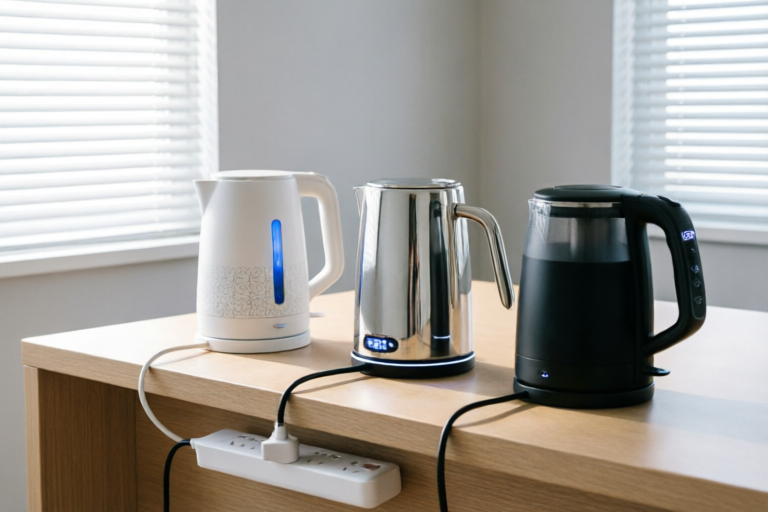
What Features Should I Look for When Buying?
Make Smart Purchases with Confidence
Introduction to Key Considerations in Purchasing Decisions
Before making any purchase, it's crucial to understand the features of the product you're considering. This knowledge not only helps you make better decisions but also saves time, money, and disappointment. Understanding the product's features ensures that you get exactly what you need without unnecessary extras or missing essential functionalities.
Overview of the importance of understanding product features before making a purchase.
When you take the time to learn about the features of a product, you can confidently choose the one that best fits your needs. Whether it's a new smartphone, a home appliance, or even a piece of furniture, knowing what to look for can significantly enhance your satisfaction with the purchase.
Brief explanation on how identifying necessary features can save time, money, and disappointment.
Identifying the necessary features upfront allows you to focus on products that meet your criteria, reducing the time spent on irrelevant options. Additionally, it helps prevent buying products that may not fulfill your expectations, ultimately saving you money and avoiding disappointment.
Essential Functionalities for Your Needs
The first step in making a smart purchase is to identify the core functionalities that are relevant to your intended use. Depending on your specific requirements or lifestyle, certain features may be more important than others.
Identification of core functionalities that are relevant based on intended use.
For example, if you're buying a laptop, you might prioritize factors like battery life, processor speed, and screen resolution. On the other hand, if you're looking for a new car, you might focus on fuel efficiency, safety features, and cargo space. Understanding your needs will help you prioritize the most important features.
Discussion on how to prioritize features that match specific requirements or lifestyle needs.
To prioritize features effectively, start by listing your must-have functionalities and then consider the nice-to-have ones. This approach ensures that you don't overlook critical aspects while still appreciating added benefits. For instance, if you frequently travel, a portable device with long battery life and a lightweight design would be ideal.
Durability and Quality Standards
When evaluating a product, its durability and quality standards should be a top priority. Longevity is often a key factor in determining whether a purchase is worth the investment.
Examination of materials and construction techniques that ensure longevity.
High-quality materials and robust construction techniques contribute significantly to a product's durability. For example, metal casings tend to be more durable than plastic ones, and reinforced joints can withstand more wear and tear. Always check the materials used in the product and their overall construction to gauge its potential lifespan.
Tips on recognizing high-quality products through certifications or brand reputation.
Certifications such as ISO standards or UL listings indicate that a product meets specific quality benchmarks. Additionally, well-established brands often have a reputation for producing reliable products. Researching customer reviews and ratings can also provide valuable insights into a product's durability and reliability.
User Interface and Experience (UI/UX)
A user-friendly interface can greatly enhance your experience with a product. An intuitive design makes it easier to operate and navigate, leading to greater satisfaction and productivity.
Importance of an intuitive design that enhances usability.
An intuitive design simplifies the interaction between the user and the product. For example, a smartphone with a clean, organized interface allows users to find features quickly and efficiently. Similarly, a well-designed kitchen appliance should have clearly labeled controls and easy-to-understand instructions.
Examples of user-friendly interfaces versus complex ones, focusing on ease of operation.
Consider the difference between a modern touch-screen TV remote control and a traditional one with numerous buttons and menus. A touch-screen remote typically offers a simpler, more intuitive interface that requires less learning. On the other hand, a remote with many buttons and menus can be confusing and difficult to use.
Additional Features and Their Value Propositions
Many products come with additional features that can add convenience or improve performance. However, it's important to evaluate whether these extras justify the additional cost compared to standard models.
Exploration of extra functionalities that might add convenience or performance improvements.
For instance, a coffee maker with a built-in grinder might offer more convenience by allowing you to grind beans right before brewing. Similarly, a laptop with a touchscreen could enhance your productivity by providing more versatile input methods. However, these features often come at a higher price point.
Analysis of whether these extras justify the additional cost compared to standard models.
While additional features can be appealing, it's essential to assess their value in relation to your needs. If the extra features significantly enhance your experience and meet your specific requirements, they might be worth the added cost. Otherwise, opting for a standard model could be a more economical choice.
Customer Support and Warranty Information
After-sales service plays a crucial role in ensuring customer satisfaction with a purchase. Reliable customer support and comprehensive warranties can provide peace of mind and address any issues that may arise.
The role of after-sales service in maintaining satisfaction with the purchase.
Good customer support can resolve problems quickly and efficiently, minimizing frustration and inconvenience. Whether it's technical assistance, troubleshooting, or answering questions, responsive and knowledgeable support teams can greatly enhance your experience with the product.
Explanation of warranty terms and what they cover, helping buyers avoid future issues.
Warranties typically cover manufacturing defects or malfunctions within a specified period. It's important to read the fine print to understand what is and isn't covered. For example, some warranties may exclude accidental damage or require registration within a certain timeframe. Knowing the details of the warranty can help you plan for potential repairs or replacements.
Conclusion: Making an Informed Decision
In conclusion, making an informed decision involves carefully considering various factors such as functionality, durability, user interface, additional features, and customer support. By thoroughly researching and comparing different options, you can ensure that you select the best product for your needs.
Recapitulation of key points discussed throughout the article.
Remember to prioritize features that align with your specific requirements, assess the product's durability and quality, and evaluate the user interface for ease of use. Additionally, consider the value of any additional features and review warranty information to protect your investment.
Encouragement to thoroughly research and compare different options before finalizing a decision.
Take the time to explore multiple options and read reviews from other customers. This will give you a broader perspective and help you make a more confident and satisfied purchase. Happy shopping!
Comments

Durability is key. I'd rather spend a bit more upfront for something that lasts.

Great article! I always feel overwhelmed by choices. This helps narrow it down.

Same issue here. After reading this, I'm definitely going to pay more attention to warranty terms.

Prioritizing customer support was a game changer. Now I never hesitate to ask for help when needed.
I always struggle with balancing essential features vs. additional ones. Any advice on where to draw the line?
This worked for me. I focused on UI/UX and ended up with a much easier-to-use gadget.
Great tips! Can you elaborate more on how to recognize high-quality materials? Any specific brands you'd recommend?

Same issue here. Prioritizing durability really saved me from buying a piece of junk. Now I look at warranties like a pro!