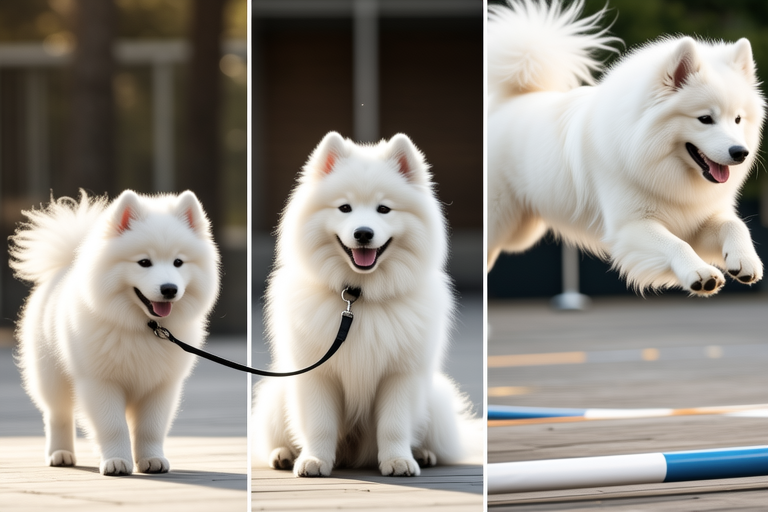
Training Tips for Every Stage of Your Samoyed’s Life
The Samoyed is a breed known for its intelligence, loyalty, and striking appearance. However, their independent nature can sometimes pose challenges in training. This article provides comprehensive training tips for every stage of your Samoyed’s life, from puppyhood to adulthood, focusing on specific techniques, common behavioral issues, and effective solutions. We emphasize the importance of consistency and positive reinforcement throughout the training process.
Puppyhood (0-6 Months)
During the first six months, your Samoyed puppy will go through rapid physical and mental development. This period is crucial for laying the foundation for good behavior and socialization.
Key Training Techniques
- Potty Training: Establish a consistent schedule for feeding and potty breaks. Use positive reinforcement like treats and praise when your puppy successfully uses the designated area.
- Basic Commands: Teach commands such as ‘sit,’ ‘stay,’ and ‘come’ using treats and verbal cues. Keep sessions short and fun to maintain your puppy’s interest.
- Socialization: Expose your puppy to various environments, people, and other animals to help them become well-adjusted adults.
Common Behavioral Issues and Solutions
- Chewing: Provide appropriate chew toys and redirect your puppy when they chew on inappropriate items. Praise them when they choose the right toy.
- Excessive Barking: Ignore barking until it stops, then reward calm behavior. Consistency is key in teaching your puppy when it’s okay to bark.
Juvenile Period (6-18 Months)
As your Samoyed enters adolescence, they may display more challenging behaviors due to increased energy and testing boundaries.
Key Training Techniques
- Consistent Reinforcement: Continue using positive reinforcement but introduce more complex commands and exercises. This helps channel their energy into productive activities.
- Problem Solving: Encourage your Samoyed to think by setting up puzzles or interactive games. This stimulates their mind and reduces destructive behavior.
- Leash Training: Practice walking on a leash without pulling. Use a head collar if necessary, but always ensure it fits properly and is used humanely.
Common Behavioral Issues and Solutions
- Aggression: Identify triggers and work with a professional trainer if aggression becomes a concern. Avoid punishing aggressive behavior, as this can escalate the issue.
- Separation Anxiety: Gradually increase the time you spend away from your dog, leaving them with a familiar object like a blanket or toy. Consider using calming aids if needed.
Adulthood (18 Months – 5 Years)
By adulthood, your Samoyed should have a solid understanding of basic commands and good manners. However, they may still require occasional refresher training.
Key Training Techniques
- Maintenance Training: Regularly practice previously learned commands to keep skills sharp. Introduce new tricks or agility exercises to keep them mentally stimulated.
- Advanced Commands: Teach more advanced commands like ‘leave it’ or ‘heel.’ These commands are particularly useful for managing situations where your Samoyed might encounter distractions.
- Exercise: Ensure your Samoyed gets plenty of exercise daily. This breed thrives on physical activity, which helps prevent behavioral issues caused by boredom or excess energy.
Common Behavioral Issues and Solutions
- Boredom: Provide toys that encourage problem-solving and offer opportunities for social interaction. Rotate toys periodically to maintain interest.
- Resistance to New Commands: Be patient and persistent. Break down new commands into smaller steps and use treats and praise liberally.
Senior Stage (5+ Years)
As your Samoyed reaches senior years, their physical abilities may decline, and they may require adjustments in their routine and training methods.
Key Training Techniques
- Adaptability: Modify exercises and activities to accommodate any physical limitations. Focus on mental stimulation rather than physically demanding tasks.
- Comfort: Ensure your senior Samoyed has a comfortable environment. Provide soft bedding and consider orthopedic beds if needed.
- Health Monitoring: Regular veterinary check-ups are essential to address any health concerns promptly. Adjust training routines based on your dog’s health status.
Common Behavioral Issues and Solutions
- Arthritis Pain: If your Samoyed shows signs of discomfort, consult your veterinarian for pain management options. Incorporate low-impact exercises like swimming or gentle walks.
- Cognitive Decline: Senior dogs may experience memory loss or confusion. Keep routines consistent and provide extra reassurance and affection.
Unique Traits of Samoyeds and Their Impact on Training
Samoyeds possess several unique traits that should be considered during training:
- Independence: They can be stubborn at times, so patience and persistence are vital. Reward good behavior consistently to reinforce desired actions.
- Playfulness: Their playful nature can sometimes lead to mischievous behavior. Redirect their energy into appropriate outlets like fetch or tug-of-war games.
- Curiosity: Samoyeds are naturally curious and may explore their surroundings thoroughly. Keep potentially dangerous items out of reach and supervise closely during outdoor activities.
In conclusion, training a Samoyed requires dedication, patience, and an understanding of their unique characteristics. By following these guidelines and maintaining consistency and positive reinforcement, you can foster a well-behaved, happy companion throughout all stages of your Samoyed’s life.
