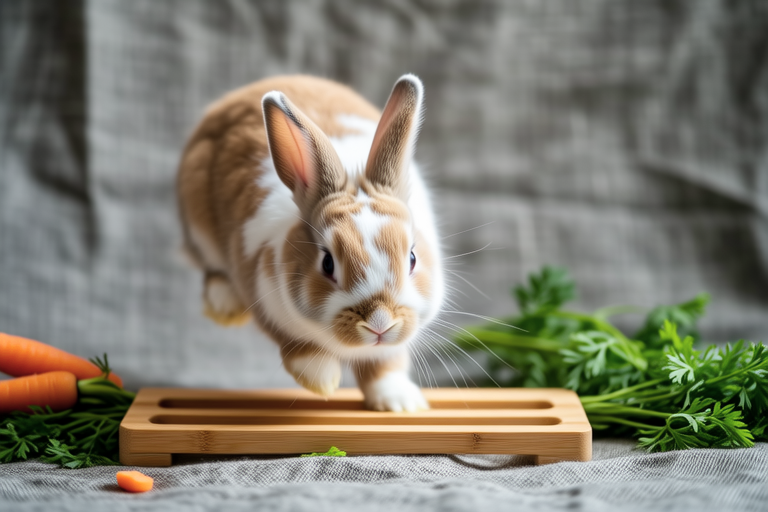
From Hopping to Cuddling: A Complete Beginner’s Dutch Dwarf Rabbit Handbook
Introduction to Dutch Dwarf Rabbits
Dutch Dwarf rabbits are among the smallest breeds of domesticated rabbits, making them ideal pets for those living in apartments or with limited space. Originating from the Netherlands, these rabbits have been bred for their docile temperament and charming appearance. They typically weigh between 1.8 to 2.7 kg (4 to 6 lbs) and come in a variety of colors, including black, white, blue, chocolate, and lilac.
What makes Dutch Dwarfs particularly appealing is their friendly nature and adaptability. Their small size doesn’t compromise their ability to be affectionate and interactive, which makes them excellent companions for families and individuals alike.
Unique Characteristics of Dutch Dwarf Rabbits
Dutch Dwarfs are known for their distinctive markings. They have a white blaze that extends from their forehead down to their noses, along with white paws and a white tail. The rest of their body is colored in one of the aforementioned shades. This striking contrast is what gives them their name, as they resemble the traditional Dutch flag.
These rabbits are also very social and enjoy interacting with their human caregivers. They are intelligent and can learn simple commands, such as coming when called or sitting still for petting. Despite their small size, they require regular exercise and mental stimulation to stay healthy and happy.
Why Dutch Dwarf Rabbits Make Great Pets
Dutch Dwarfs are gentle, calm, and easy to handle, making them perfect for first-time rabbit owners. Their compact size means they don’t require large spaces, but they still need adequate room to move around. These rabbits are highly adaptable, thriving both indoors and outdoors, provided they have proper shelter and protection from extreme weather conditions.
Additionally, they are relatively quiet animals compared to other pets, making them suitable for households where noise levels need to be kept low. Their cleanliness and minimal odor also contribute to their popularity as apartment pets.
Dietary Needs
Hay
The foundation of any rabbit’s diet should be unlimited access to hay, preferably Timothy hay. Hay provides essential fiber for their digestive system and helps wear down their continuously growing teeth.
Fresh Vegetables
Offering a variety of fresh vegetables daily is important. Good choices include leafy greens like romaine lettuce, spinach, and parsley. Introduce new vegetables gradually to avoid digestive upset.
Fruits
Fruits can be given as treats but should be limited due to their high sugar content. A few slices of apple or a piece of carrot once or twice a week are sufficient.
Rabbit Pellets
Pellets should be provided in moderation. Look for pellets specifically formulated for rabbits, ensuring they contain no added sugars or artificial preservatives.
Water
Always provide clean, fresh water available at all times. Water bottles designed for rabbits are preferable as they prevent spillage.
Housing
A spacious hutch or cage is necessary for your Dutch Dwarf rabbit. The minimum size should be 24 inches wide by 24 inches deep by 18 inches tall. However, larger is always better if space permits. Ensure there is enough space for your rabbit to stretch out fully and turn around easily.
Provide soft bedding material such as straw or shredded paper. Avoid cedar or pine shavings, as these can cause respiratory problems. Place the hutch in a quiet area away from direct sunlight and drafts.
For indoor rabbits, a safe play area can be created using baby gates or playpens. This allows them to explore and exercise under supervision.
Exercise Needs
Dutch Dwarfs need daily exercise to maintain good physical health and mental stimulation. Allow them supervised time outside their enclosure each day. A secure outdoor pen or a rabbit-proofed room inside the house works well.
Interactive toys and tunnels can help keep them entertained. Rotate toys periodically to prevent boredom. Exercise also helps prevent obesity, which is common in this breed.
Grooming
Regular brushing is necessary to remove loose fur and prevent hairballs. Use a soft-bristled brush or a slicker brush. Long-haired rabbits may require more frequent brushing.
Baths should only be given if absolutely necessary, as rabbits dislike being wet. If bathing is needed, use a mild shampoo and ensure the rabbit is thoroughly dried afterward.
Trimming nails regularly is important. Use nail clippers designed for small animals and be careful not to cut the quick, which contains blood vessels.
Common Health Issues
Like all animals, Dutch Dwarfs are prone to certain health issues. Common problems include dental disease, gastrointestinal stasis, and respiratory infections. Regular veterinary check-ups can help catch these issues early.
Signs of illness include lethargy, loss of appetite, diarrhea, sneezing, or discharge from the eyes or nose. Immediate veterinary attention should be sought if any of these symptoms occur.
Bonding and Training
Handling your rabbit gently and consistently will help build trust. Approach slowly and let them sniff your hand before picking them up. Support their hindquarters when lifting to prevent injury.
Training can involve teaching simple commands or tricks. Positive reinforcement methods, such as treats and praise, work best. Be patient and consistent, and your rabbit will learn quickly.
Cuddling should be done carefully. Sit on the floor and let the rabbit approach you. Once they are comfortable, gently pick them up and support their body. Never squeeze or hold them too tightly.
Adopting a Healthy Rabbit
When adopting a Dutch Dwarf rabbit, choose from reputable breeders or shelters. Ask about the rabbit’s history and any health issues. Ensure the rabbit has been spayed or neutered and vaccinated against common diseases.
Spending time with potential pets before adopting helps determine compatibility. Observe their behavior and interaction with humans. A confident, relaxed rabbit is usually healthier and easier to bond with.
