Rajah Cichlids: A Tropical Fish Enthusiast’s Delight
The world of tropical fish is a vibrant and diverse one, offering countless species that captivate aquarium enthusiasts with their beauty and behavior. Among these, the Rajah Cichlid (Aequidens rivulatus) stands out as a particularly fascinating choice for aquarists. Known for their striking appearance, complex behaviors, and specific care requirements, Rajah Cichlids offer both challenges and rewards to those who choose to keep them. This article explores the unique characteristics, care requirements, and captivating behaviors of Rajah Cichlids, highlighting their distinctive appearance, ideal tank conditions, dietary needs, and compatibility with other species.
Distinctive Appearance
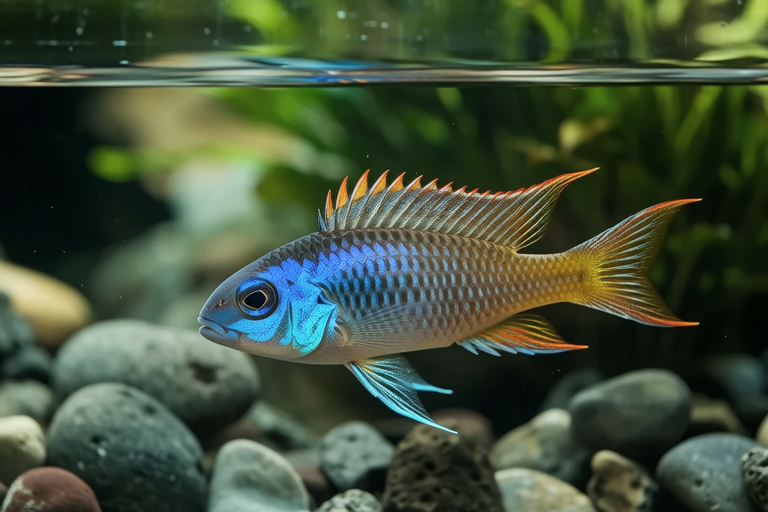
Rajah Cichlids are renowned for their striking appearance, which makes them a standout addition to any tropical fish tank. These fish typically grow up to 6 inches in length, with males being slightly larger than females. Their bodies are elongated, and they possess a vibrant coloration that can vary depending on their mood, environment, and age. Males often exhibit more intense colors, featuring electric blue and yellow hues on their sides, contrasted with dark vertical stripes that run along their flanks. Females, while equally beautiful, tend to display more subdued colors, often appearing more silver or gold.
Their fins are another highlight, particularly the dorsal fin, which can extend almost to the tail. The dorsal fin of male Rajah Cichlids is adorned with bright red spots, adding to their overall allure. Their eyes are large and expressive, giving them an almost intelligent look that adds to their appeal. The combination of their colors, patterns, and graceful movements makes Rajah Cichlids a truly eye-catching species in the aquarium world.
Ideal Tank Conditions
Maintaining the right tank conditions is crucial for the well-being and longevity of Rajah Cichlids. These fish require a spacious environment that mimics their natural habitat. A minimum tank size of 75 gallons is recommended to provide ample swimming space and to accommodate their active nature. The tank should be equipped with a powerful filtration system to maintain water quality, as Rajah Cichlids produce a significant amount of waste.
Water parameters are also essential. Rajah Cichlids thrive in slightly acidic to neutral water, with a pH range of 6.0 to 7.5. The water hardness should be kept between 5 and 15 dGH. Temperature should be maintained between 74°F and 82°F (23°C to 28°C). Regular water changes are necessary to keep the environment clean and healthy. Additionally, providing plenty of hiding places and caves will help reduce stress and provide a sense of security for these fish.
Dietary Needs
Rajah Cichlids are omnivorous, meaning they eat both plant matter and small animals. In the wild, they feed on algae, insects, small crustaceans, and worms. In captivity, it is important to provide a balanced diet that includes both protein-rich foods and vegetation. High-quality cichlid pellets or flakes can form the basis of their diet, supplemented with live or frozen foods such as brine shrimp, bloodworms, and daphnia. Vegetables like blanched spinach, peas, and zucchini can also be offered to ensure they receive the necessary nutrients.
Feeding should be done two to three times daily, with small portions to prevent overfeeding. Overfeeding can lead to poor water quality and potential health issues. It is also important to avoid feeding them excessive amounts of meat-based foods, as this can cause digestive problems and contribute to water pollution.
Compatibility with Other Species
Rajah Cichlids are known for their territorial behavior, especially during spawning periods. As such, they may not be the best choice for community tanks with smaller, less aggressive fish. However, they can coexist peacefully with other robust, similarly-sized cichlids or large characins. It is advisable to introduce Rajah Cichlids to the tank last, allowing them to establish their territory without causing undue stress to other inhabitants.
When choosing tank mates, consider species that are not overly aggressive but can hold their own in case conflicts arise. Some suitable tank mates include German Blue Rams, Keyhole Cichlids, and large tetras like Silver Dollars. Avoid keeping them with slow-moving or timid fish, as they may become stressed or even injured.
Challenges and Rewards of Owning Rajah Cichlids
Owning Rajah Cichlids comes with its share of challenges, but the rewards are plentiful for those willing to meet their specific needs. One of the primary challenges is maintaining the correct water chemistry and temperature. These fish are sensitive to changes in their environment, and fluctuations can lead to stress and illness. Therefore, regular monitoring and maintenance of water parameters are essential.
Another challenge is managing their territorial behavior, especially during spawning. Rajah Cichlids can become quite aggressive when defending their territory or protecting their eggs and fry. This can sometimes result in injuries to other tank mates. To mitigate this, it is important to provide plenty of hiding spots and to separate breeding pairs if necessary.
Despite these challenges, the rewards of owning Rajah Cichlids are significant. Watching them display their vibrant colors and engage in their natural behaviors is a joy for any aquarium enthusiast. Their interactions, whether it be courting rituals or territorial displays, offer a fascinating glimpse into the lives of these captivating fish. The satisfaction of successfully raising and caring for these unique creatures is a rewarding experience for dedicated aquarists.
Breeding Practices
Breeding Rajah Cichlids can be an exciting endeavor for advanced aquarists. Like many cichlids, Rajah Cichlids are substrate spawners, meaning they lay their eggs on flat surfaces such as rocks or plates. To encourage breeding, it is important to provide a suitable environment with ample hiding spots and a stable water quality.
Once a pair has formed, the female will lay her eggs on a chosen surface, and the male will fertilize them. Both parents take turns guarding the eggs and fanning them with their fins to ensure proper oxygenation. After approximately 3 to 5 days, the eggs will hatch, and the fry will remain attached to the substrate for a few more days until they are free-swimming.
During this time, the parents continue to guard the fry, ensuring their safety from potential predators. Once the fry are free-swimming, they can be fed infusoria or finely crushed flake food. It is important to remove the parents once the fry have started to feed independently, as they may see the fry as food.
Common Health Issues
Like all aquatic life, Rajah Cichlids are susceptible to various health issues. Poor water quality is a common cause of disease, leading to conditions such as ich (white spot disease), fin rot, and bacterial infections. Regular water changes and proper filtration can help prevent these issues.
Another common issue is stress-related illnesses, which can occur due to sudden changes in water parameters or overcrowding. Providing a stable and comfortable environment is key to preventing stress-related problems. Signs of illness in Rajah Cichlids include lethargy, loss of appetite, clamped fins, and unusual behavior. If any of these symptoms are observed, it is important to isolate the affected fish and consult with a veterinarian specializing in aquatic life.
Conclusion
Rajah Cichlids are a captivating species that offer both challenges and rewards for tropical fish enthusiasts. With their striking appearance, specific care requirements, and intriguing behaviors, they make a unique addition to any aquarium. By understanding their distinctive characteristics, ideal tank conditions, dietary needs, and compatibility with other species, aquarists can ensure the well-being and happiness of these elegant fish. Whether you are drawn to their eye-catching elegance or intrigued by their enigmatic nature, Rajah Cichlids are sure to captivate and delight anyone interested in the fascinating world of tropical fish.
