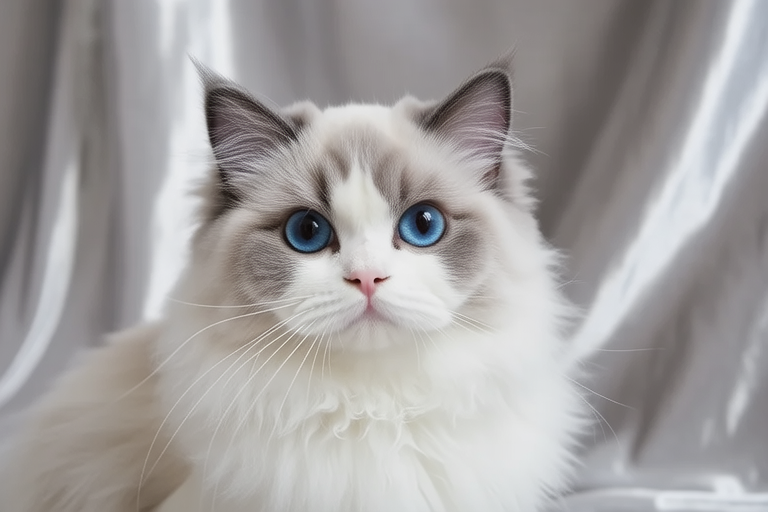
The Unique Characteristics of the Persian Cat’s Coat
The Persian cat, with its regal appearance and luxurious coat, has been a favorite among cat enthusiasts for centuries. This breed is known for its long, flowing fur and distinct facial features, making it one of the most recognizable feline breeds. The coat of a Persian cat is not just a symbol of beauty; it is also a reflection of the breed’s rich history and genetic makeup. In this article, we will explore the unique characteristics of the Persian cat’s coat, including genetic factors, color variations, grooming needs, and historical myths. We’ll also delve into recent studies and developments that have shed light on the health and care of these magnificent creatures.
Genetic Factors Influencing Coat Texture
The texture of a Persian cat’s coat is largely determined by its genetic makeup. Persians possess a gene that produces a long, silky fur, which is the hallmark of the breed. This gene is recessive, meaning both parents must carry the gene for a kitten to inherit the long coat. The coat’s texture can vary from silky and fine to slightly coarse, depending on the specific genetic combination inherited by each cat. The length of the fur is another genetic trait, with some Persians having longer coats than others. This variation in coat texture and length adds to the diversity within the breed.
Color Variations
Persian cats come in a wide array of colors and patterns, making them one of the most versatile breeds in terms of coat appearance. From solid colors like black, white, and blue to more complex patterns such as tabby, tortoiseshell, and bi-color, there is a Persian cat to suit every preference. The variety of colors and patterns is due to multiple genes controlling coat pigmentation and pattern development. Some colors are more common than others, while certain combinations are rare and highly sought after by breeders and owners alike.
Grooming Needs and Challenges
Maintaining the Persian cat’s luxurious coat requires significant effort and dedication. Their long fur is prone to matting and tangling, especially around the neck, chest, and behind the ears. Daily brushing is essential to prevent these issues and keep the coat healthy and shiny. Owners often use special tools like slicker brushes and wide-tooth combs to detangle knots and remove loose hair. Bathing should be done regularly but carefully, as over-bathing can strip the natural oils from the skin, leading to dryness and irritation. Additionally, trimming the fur around the eyes, ears, and paws may be necessary to keep the cat comfortable and clean.
Despite the challenges, many owners find the grooming process rewarding and a great way to bond with their pets. It’s important to introduce grooming early in the cat’s life to ensure they become accustomed to it. Positive reinforcement techniques, such as offering treats and praise during grooming sessions, can help make the experience enjoyable for both the owner and the cat.
Historical Contexts and Myths Surrounding the Breed’s Coat
The Persian cat’s coat has been the subject of numerous myths and legends throughout history. One popular myth suggests that the Persian cat was named after the country of Persia (now Iran) because it was believed that the breed originated there. However, archaeological evidence indicates that the breed likely developed in Mesopotamia, with Persian cats being brought to Europe by traders and diplomats. Over time, the breed evolved and became more popular, with selective breeding enhancing the coat’s characteristics.
In ancient times, Persian cats were considered symbols of luxury and wealth. They were often kept by royalty and nobility, who admired their elegant appearance and calm demeanor. The breed’s association with royalty contributed to its reputation as a high-maintenance pet, further reinforcing the idea that only the wealthy could afford to own one. These historical contexts have shaped the perception of Persian cats and their coats, contributing to their enduring popularity.
Recent Studies and Developments
Recent studies have provided valuable insights into the genetics and health of Persian cats, particularly regarding their coats. Researchers have identified specific genes responsible for coat length and texture, allowing breeders to better understand how to maintain desirable traits while minimizing health risks. For example, the gene linked to the long coat is also associated with polycystic kidney disease (PKD), a condition that can lead to kidney failure. Selective breeding programs now aim to reduce the incidence of PKD while preserving the breed’s iconic appearance.
Advancements in veterinary medicine have also improved the care of Persian cats. Innovations in grooming products and techniques have made it easier to maintain their coats without causing discomfort or damage. Additionally, dietary supplements and specialized shampoos can help support the health of their skin and fur, ensuring that Persians remain beautiful and healthy throughout their lives.
Conclusion
The Persian cat’s coat is a testament to the breed’s unique genetic heritage and the efforts of dedicated breeders and owners. Its luxurious appearance, combined with its rich history and cultural significance, makes the Persian cat a beloved companion for many. While maintaining the coat requires dedication and attention to detail, the rewards of owning a Persian cat are immeasurable. As research continues to uncover new information about the breed’s genetics and health, we can look forward to even greater advancements in the care and well-being of these magnificent animals.
