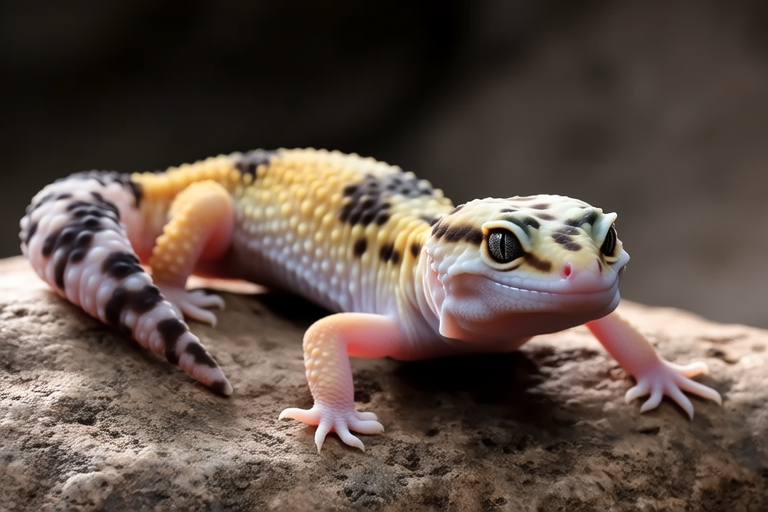
Amazing Facts About Leopard Geckos That Will Blow Your Mind
Welcome to the fascinating world of leopard geckos! These charming reptiles have captured the hearts of many pet enthusiasts with their unique characteristics and delightful personalities. Whether you’re a seasoned herpetologist or a curious novice, this article will provide you with some amazing facts that will surely amaze you. From their remarkable ability to shed their tails to their nocturnal lifestyle and dietary preferences, we’ll explore the incredible adaptations that make leopard geckos one of the most popular pets in the world.
The Tail-Tastic Tale: Why Leopard Geckos Drop Their Tails
One of the most intriguing features of leopard geckos is their ability to detach their tails when threatened. This phenomenon, known as caudal autotomy, is an evolutionary adaptation that allows these creatures to escape from predators. When a predator grabs hold of a leopard gecko’s tail, it can quickly break it off at a specific point, leaving the predator with just a wiggling appendage while the gecko makes its getaway. The detached tail continues to wiggle for several minutes, distracting the predator long enough for the gecko to escape.
Interestingly, leopard geckos can regrow their tails, although the new one won’t look exactly like the original. The regenerated tail often lacks the intricate patterns and coloration of the old one. While this adaptation is impressive, it’s important to note that repeated tail loss can lead to health issues, so providing a safe environment for your gecko is crucial.
Nocturnal Nightlife: Discovering the Secret Lives of Leopard Geckos
Leopard geckos are primarily nocturnal creatures, meaning they are most active during the night. This behavior is an adaptation that helps them avoid the intense heat of the day and the gaze of potential predators. In the wild, they spend their days hiding under rocks, in burrows, or among vegetation, emerging only after sunset to hunt for food.
As pets, leopard geckos maintain this nocturnal routine, which means they are most active when their human companions are likely to be sleeping. This doesn’t mean you can’t interact with your gecko; in fact, many owners find it fascinating to watch their pets explore their enclosures during the evening hours. Providing a suitable habitat with plenty of hiding spots and a consistent day-night cycle can help ensure your gecko remains healthy and happy.
Dietary Delights: What Do Leopard Geckos Eat?
Leopard geckos are insectivores, meaning their diet consists mainly of insects. In the wild, they feed on a variety of small invertebrates, including crickets, mealworms, and waxworms. As pets, their diet should closely mimic what they would eat in nature. Crickets are a staple food for leopard geckos, but it’s essential to offer a diverse diet to ensure they receive all necessary nutrients.
To prevent nutritional deficiencies, it’s recommended to gut-load feeder insects before offering them to your gecko. Gut-loading involves feeding the insects a nutritious diet for at least 24 hours before they are fed to the gecko. Additionally, dusting the insects with calcium and vitamin supplements can help prevent metabolic bone disease and other health issues.
Care Requirements: Creating the Perfect Habitat for Your Leopard Gecko
Creating a comfortable and stimulating environment for your leopard gecko is crucial for its overall well-being. A proper enclosure should provide ample space for your gecko to move around, climb, and hide. A standard 10-gallon tank is sufficient for a single adult leopard gecko, but larger tanks are recommended for multiple geckos or if you plan to breed them.
The substrate, or bedding material, is another important consideration. Many owners prefer to use paper towels or reptile carpet for ease of cleaning, but some opt for eco-friendly substrates like coconut fiber or aspen shavings. It’s essential to avoid loose substrates like sand or gravel, as they pose a choking hazard and can cause impaction if ingested.
Temperature and humidity levels are also critical factors in maintaining a healthy environment for your gecko. Leopard geckos require a temperature gradient within their enclosure, with a warm side (88-90°F) and a cooler side (75-80°F). You can achieve this by placing a heat mat or under-tank heater on one side of the tank and providing a hide box on both sides. Humidity levels should be kept low, around 30-40%, to prevent respiratory infections.
Lifespan Legends: How Long Can Leopard Geckos Live?
One of the most surprising facts about leopard geckos is their impressive lifespan. With proper care, these reptiles can live for 15-20 years or more. This longevity makes them a long-term commitment for pet owners, but it also means you’ll have the opportunity to witness the full range of their behaviors and adaptability over time.
The key to ensuring a long and healthy life for your leopard gecko lies in providing optimal care, including a balanced diet, appropriate housing, and regular veterinary check-ups. By meeting these needs, you can help your gecko thrive and enjoy a long, fulfilling life.
Breeding Behaviors: Understanding the Mating Process
Leopard geckos reach sexual maturity at around 1-2 years of age, depending on their size and health. Breeding season typically occurs in the spring, when males become more aggressive and territorial. During this time, males may fight each other or display courtship behaviors towards females.
If you’re interested in breeding leopard geckos, it’s essential to understand the process and provide the right conditions for successful reproduction. Female leopard geckos can lay up to five clutches of eggs per year, with each clutch containing two eggs. The eggs should be incubated at a temperature between 86-90°F to ensure proper development. After an incubation period of 45-60 days, the hatchlings will emerge and begin their journey into the world.
Survival Strategies: Adaptations for Life in the Wild
Leopard geckos have evolved several remarkable adaptations that enable them to survive in their natural habitats. One of these adaptations is their ability to produce a thick layer of skin that acts as a protective barrier against dehydration and injury. This layer of skin also helps them retain moisture, which is crucial in arid environments.
In addition to their tough skin, leopard geckos have highly sensitive sensory organs that allow them to detect vibrations and changes in air pressure. This enables them to locate prey and avoid danger even in complete darkness. Their large eyes, which are adapted for nocturnal vision, also play a significant role in their hunting success.
Conclusion: Embracing the Leopard Gecko Lifestyle
Leopard geckos are truly remarkable creatures with a wide array of unique characteristics and adaptations. From their ability to drop their tails to their nocturnal behavior and dietary preferences, there’s always something new to discover about these fascinating reptiles. Whether you’re a first-time owner or a seasoned herpetologist, taking the time to learn about your gecko’s needs and behaviors will help ensure a happy and healthy pet.
By providing a safe and stimulating environment, offering a balanced diet, and understanding the special care requirements of leopard geckos, you can create a rewarding relationship with these captivating creatures. So, dive into the world of leopard geckos and prepare to be amazed by their incredible abilities and charming personalities.
For more information on leopard geckos, consider consulting reputable sources such as The Care and Keeping of Leopard Geckos by Philippe de Vosjoli or visiting forums dedicated to herpetology. Remember, the more you learn about your pet, the better equipped you’ll be to provide the best possible care.
