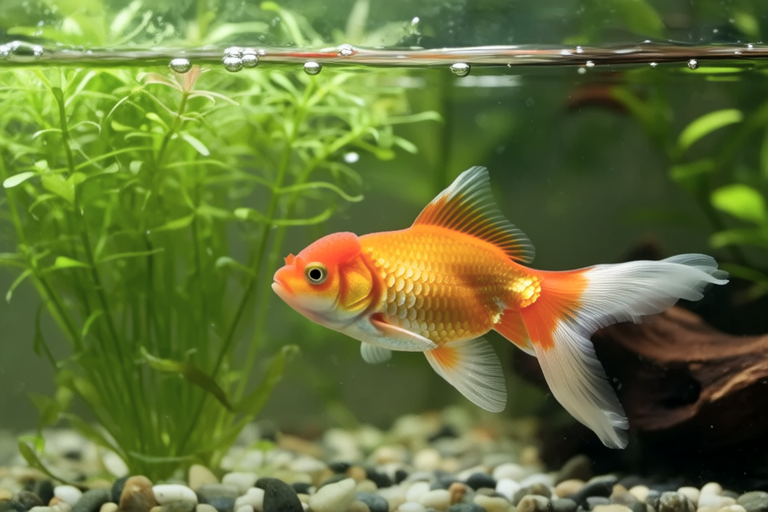
Setting Up an Ideal Habitat for Goldfish
Goldfish are popular pets due to their vibrant colors and relatively low maintenance requirements. However, to ensure your goldfish live long, healthy lives, it’s crucial to set up an appropriate habitat. This comprehensive guide will walk you through the steps needed to create the perfect environment for your goldfish.
Tank Size Recommendations Based on Goldfish Species
The first step in creating a goldfish habitat is selecting the right tank size. The size of the tank depends on the species of goldfish you have. For example:
- Comet Goldfish: Need at least 20 gallons of water per fish.
- Ryukin Goldfish: Require about 15 gallons of water per fish.
- Fancy Goldfish: Need approximately 10 gallons of water per fish.
It’s important to note that these are minimum recommendations. Larger tanks provide more swimming space and help maintain better water quality.
Filtration System Advice
A reliable filtration system is essential for maintaining clean water in your goldfish tank. Filters remove waste, uneaten food, and harmful chemicals from the water. There are several types of filters available:
- Hang-on-back (HOB) filters: These filters hang on the back of the tank and are easy to install and maintain.
- Canister filters: Canister filters offer powerful filtration and are suitable for larger tanks.
- In-tank filters: In-tank filters are placed directly inside the tank and can be hidden behind decorations.
Choose a filter that can handle at least four times the volume of water in your tank. Regularly clean or replace filter media to ensure optimal performance.
Proper Water Temperature and pH Levels
Goldfish prefer cooler water temperatures between 68°F and 74°F (20°C and 23°C). Avoid exposing them to extreme temperatures, as this can cause stress and health issues. A heater may be necessary if you live in a very warm climate.
The ideal pH level for goldfish is between 6.5 and 8.0. Test your tap water before adding it to the tank to ensure it falls within this range. If necessary, adjust the pH using aquarium-safe products.
Lighting Requirements
Goldfish require approximately 8 to 12 hours of light per day to maintain their circadian rhythms. Use a timer to ensure consistent lighting. Choose a light fixture with a bulb designed specifically for aquariums to prevent algae growth and promote plant growth if you plan to add live plants.
Suitable Substrate Options
The substrate, or bottom layer of the tank, serves both aesthetic and functional purposes. Consider the following options:
- Gravel: Gravel is inexpensive and easy to clean. It comes in various colors and sizes.
- Sand: Sand is soft and natural-looking but harder to keep clean. It’s also less likely to trap waste.
- No substrate: Some aquarists prefer tanks without substrate for easier cleaning.
Regardless of the substrate you choose, make sure it’s safe for goldfish and won’t scratch their delicate fins.
Necessary Decorations for Hiding and Swimming Space
Goldfish need ample space to swim and hide. Provide plenty of open swimming areas and hiding spots using:
- Plants: Live or artificial plants provide hiding spots and enhance the tank’s aesthetics.
- Caves: Rocks, driftwood, or commercial caves offer hiding places.
- Decorative objects: Toys, castles, and other decorative items add interest to the tank.
Avoid overcrowding the tank with decorations, as this can limit swimming space and hinder water circulation.
Feeding Guidelines
Feed your goldfish small amounts of food two to three times daily. Overfeeding can lead to poor water quality and health problems. Choose high-quality goldfish flakes, pellets, or frozen foods as part of their diet. Supplement their diet with occasional treats like freeze-dried bloodworms or brine shrimp.
Regular Maintenance Tasks
Maintaining a clean and healthy tank is key to keeping your goldfish happy. Perform the following tasks regularly:
- Water changes: Change 10% to 20% of the water weekly. More frequent changes may be necessary if your tank is heavily stocked.
- Washing decorations: Clean any decorations that may have accumulated debris.
- Checking equipment: Inspect filters, heaters, and other equipment regularly for proper functioning.
Signs of a Healthy Versus an Unhealthy Goldfish
Observing your goldfish regularly helps you identify potential health issues early. Here are some signs of a healthy goldfish:
- Active swimming
- Clear eyes
- Good appetite
- Healthy coloration
- Smooth, undamaged fins
Unhealthy signs include:
- Lethargy
- Cloudy eyes
- Loss of appetite
- Pale or discolored body
- Damaged or clamped fins
If you notice any of these signs, consult a veterinarian specializing in fish for diagnosis and treatment.
By following these guidelines, you’ll create an ideal habitat for your goldfish, ensuring they live long, healthy lives. Remember, each goldfish is unique, so pay attention to their individual needs and adjust your care accordingly.
