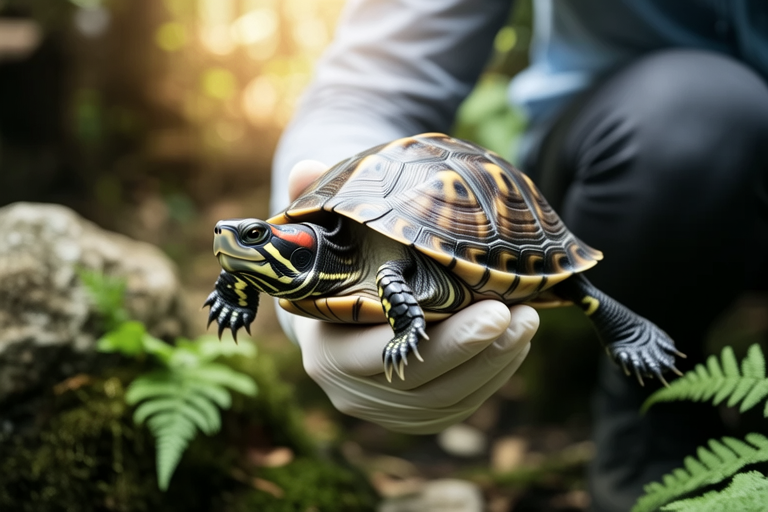
Rescuing and Rehabilitating Wild Three-Striped Box Turtles: A Heartwarming Journey
The three-striped box turtle (Trachemys scripta triunguis) is a rare and fascinating species native to the southeastern United States. Known for its distinctive three yellow stripes along each side of its head, this turtle plays a crucial role in maintaining the ecological balance of its habitats. Unfortunately, these turtles face numerous challenges in the wild, primarily due to habitat loss and other environmental threats. This article delves into the journey of rescuing and rehabilitating these magnificent creatures, detailing the challenges they face and the methods employed to ensure their survival.
The Rarity and Importance of Three-Striped Box Turtles
Three-striped box turtles are not only a marvel of nature but also vital contributors to their ecosystems. They are omnivorous, feeding on plants, insects, and small animals, which helps control pest populations and aids in seed dispersal. Their longevity and slow growth rate make them particularly susceptible to environmental changes. Conservation efforts are essential to preserve their populations and maintain biodiversity.
Challenges Faced by Three-Striped Box Turtles
Habitat loss poses the most significant threat to these turtles. Urbanization, agriculture, and deforestation have reduced the availability of suitable nesting sites and foraging grounds. Additionally, road mortality is a common cause of injury and death, as turtles frequently attempt to cross roads to reach water bodies or find mates. Other dangers include pollution, climate change, and illegal pet trade. These factors have led to a decline in their population, making rescue and rehabilitation efforts critical.
The Rescue Process
The rescue process begins with vigilant monitoring and community engagement. Wildlife rehabilitators work closely with local authorities and residents to identify injured or displaced turtles. Once a turtle is found, it is carefully transported to a specialized facility where it receives immediate medical attention.
Upon arrival, veterinarians conduct thorough examinations to assess the extent of any injuries or illnesses. Common issues include shell fractures, infections, and malnutrition. The rehabilitation team then devises a personalized treatment plan for each turtle. This may involve surgical procedures, antibiotic treatments, and nutritional supplements.
In addition to medical care, turtles are provided with a nurturing environment that mimics their natural habitat. This includes access to clean water, a balanced diet, and adequate space for exercise. Rehabilitation centers often employ advanced technology, such as ultraviolet light therapy, to support healing and promote overall well-being.
Care and Rehabilitation Techniques
The care and rehabilitation techniques used are designed to address both physical and psychological needs. Physical therapy is essential for turtles recovering from injuries, helping them regain strength and mobility. Psychological support is equally important, as stress can hinder recovery. To minimize stress, turtles are housed in quiet, controlled environments with minimal disturbance.
Nutrition plays a key role in the rehabilitation process. A balanced diet rich in vitamins and minerals is crucial for healing and growth. Specialized diets are formulated based on individual needs, taking into account dietary preferences and any underlying health conditions.
Personal Stories and Case Studies
One memorable case involved a young male turtle named Charlie, who was brought to the rehabilitation center after being hit by a car. Upon examination, it was discovered that Charlie had suffered multiple fractures in his plastron (lower shell). Despite the severity of his injuries, the dedicated team worked tirelessly to heal him. Through a combination of surgical intervention and intensive physical therapy, Charlie made a remarkable recovery. After several months, he was released back into the wild, where he continues to thrive.
Another poignant story revolves around Lily, a female turtle who was rescued after becoming entangled in fishing gear. Lily sustained deep cuts and infections, which required extensive treatment. Her rehabilitation journey was long and challenging, but with the unwavering support of her caregivers, she eventually regained her health. Today, Lily serves as an ambassador for wildlife conservation, inspiring others to protect and respect nature.
The Emotional Impact of the Work
The emotional impact of rescuing and rehabilitating three-striped box turtles cannot be overstated. Each turtle saved represents a victory for conservation efforts and a chance at a future for the species. The bond formed between caregivers and their charges is profound, filled with moments of joy, hope, and sometimes sorrow. Witnessing the resilience and determination of these turtles is humbling and serves as a powerful reminder of the importance of protecting our natural world.
Broad Implications for Wildlife Conservation
The rescue and rehabilitation of three-striped box turtles have far-reaching implications for wildlife conservation and environmental stewardship. By addressing the root causes of habitat loss and advocating for stricter regulations against poaching and pollution, we can create safer environments for these turtles and countless other species. Furthermore, successful rehabilitation efforts contribute valuable data to scientific research, enhancing our understanding of these creatures and informing conservation strategies.
Public awareness and education are vital components of this broader effort. Engaging communities in conservation initiatives fosters a sense of responsibility and ownership, encouraging individuals to take action in their daily lives. From reducing plastic waste to supporting sustainable farming practices, every effort counts in preserving the delicate balance of our ecosystems.
In conclusion, the journey of rescuing and rehabilitating wild three-striped box turtles is a testament to the power of compassion and dedication. Through collaborative efforts, we can make a meaningful difference in the lives of these remarkable creatures and contribute to the preservation of our planet’s biodiversity. Let us continue to strive for a world where all living beings coexist harmoniously, thriving in their natural habitats.
