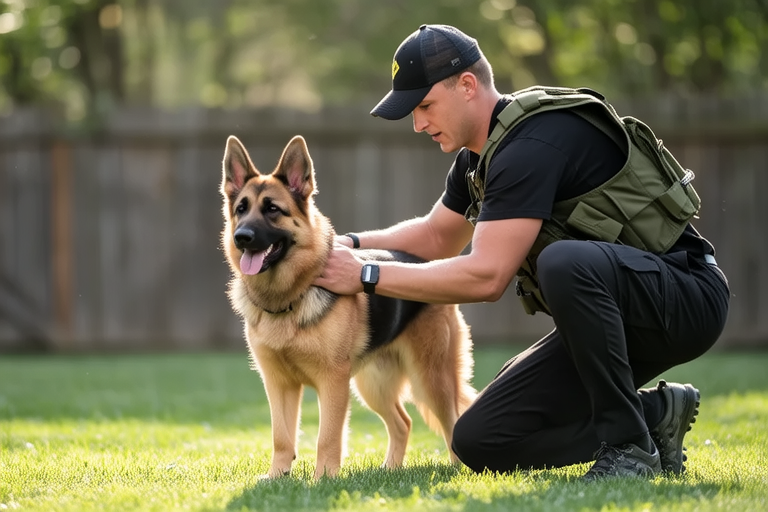
How To Train A German Shepherd Like A Pro: Expert Tips You Need
German Shepherds are known for their intelligence, loyalty, and versatility, making them one of the most popular dog breeds worldwide. However, these qualities also mean that training a German Shepherd requires dedication, patience, and the right approach. Whether you’re a novice or an experienced owner, this comprehensive guide will provide you with expert tips to train your German Shepherd like a pro.
Basic Obedience Training
The foundation of any successful training regimen is basic obedience. Commands such as ‘sit,’ ‘stay,’ ‘come,’ and ‘heel’ are essential for ensuring your German Shepherd behaves well in various situations. Start training when your puppy is around six weeks old. Use positive reinforcement techniques, such as treats and praise, to encourage desired behaviors.
For instance, when teaching your German Shepherd to sit, hold a treat above its nose and gradually move it backward, prompting the dog to sit. As soon as your dog sits, give the command “Sit” and reward it with a treat. Repeat this process several times daily until your dog associates the word with the action.
Socialization Techniques
Socializing your German Shepherd is crucial for preventing aggression and fostering a friendly, confident demeanor. Introduce your puppy to different people, animals, and environments from an early age. This helps your dog become comfortable in various situations and reduces the likelihood of developing fear-based behaviors.
Consider enrolling your German Shepherd in puppy classes, where they can interact with other dogs and learn appropriate play behavior. Additionally, take your dog to public places like parks, pet stores, and cafes to expose them to new sights, sounds, and smells. Always supervise interactions to ensure they remain positive and stress-free.
Advanced Commands
Once your German Shepherd has mastered basic obedience, you can introduce more advanced commands. These may include ‘drop it,’ ‘leave it,’ ‘roll over,’ and ‘speak.’ Advanced commands require patience and consistency but can greatly expand your dog’s capabilities.
For example, teaching your dog to ‘drop it’ involves giving your dog a toy and asking it to drop it whenever it tries to bite or chew on something inappropriate. Start by offering a high-value treat when your dog releases the toy, then gradually increase the difficulty of the task.
Handling Behavioral Issues
Despite proper training, German Shepherds may occasionally exhibit behavioral issues. Common problems include excessive barking, chewing, and separation anxiety. Addressing these issues promptly and effectively is crucial for maintaining a harmonious relationship with your dog.
Excessive barking can be managed by identifying the trigger and addressing it directly. For instance, if your dog barks at strangers, desensitize it to the stimulus by gradually exposing it to people from a distance. Chewing can be prevented by providing appropriate toys and redirecting your dog’s attention when it starts chewing on something it shouldn’t. Separation anxiety can be alleviated through gradual exposure to being alone and creating a safe, comfortable space for your dog when you leave.
Nutritional Advice Affecting Behavior
A balanced diet is essential for optimal health and behavior in German Shepherds. Poor nutrition can lead to hyperactivity, lethargy, and other behavioral issues. Consult with your veterinarian to determine the best diet for your dog based on its age, weight, and activity level.
Incorporate high-quality protein sources, such as chicken, beef, or fish, into your dog’s meals. Avoid foods that can cause allergies or digestive issues, such as grains or certain vegetables. Additionally, ensure your dog has access to fresh water throughout the day. Proper hydration is vital for maintaining energy levels and overall health.
Exercise Routines
German Shepherds are energetic and athletic dogs that require regular exercise to maintain physical and mental well-being. Aim for at least two hours of exercise per day, including walks, runs, and playtime. Incorporating activities like fetch, agility training, and swimming can further stimulate your dog’s mind and body.
Real-life example: John, a German Shepherd owner, noticed his dog’s hyperactivity during training sessions. After increasing his dog’s daily exercise routine to include a morning run and an afternoon agility session, John observed significant improvements in his dog’s focus and behavior.
Tips for Building a Strong Bond
Building a strong bond with your German Shepherd is essential for a happy, healthy relationship. Spend quality time together, engage in activities your dog enjoys, and show affection regularly. Establish clear boundaries and rules to create a sense of structure and security for your dog.
Expert insight: Dr. Sarah Johnson, a canine behaviorist, emphasizes the importance of positive reinforcement in building trust and respect. “Consistent, kind, and fair training methods foster a deep connection between you and your German Shepherd,” she says.
Conclusion
Training a German Shepherd requires commitment, patience, and the right approach. By following the expert tips outlined in this guide, you can effectively train your German Shepherd in basic obedience, socialization, advanced commands, and more. Remember to address behavioral issues promptly, provide a balanced diet, and engage in regular exercise. Most importantly, take the time to build a strong bond with your furry companion. With dedication and love, you’ll have a well-behaved, loyal, and joyful German Shepherd by your side.
