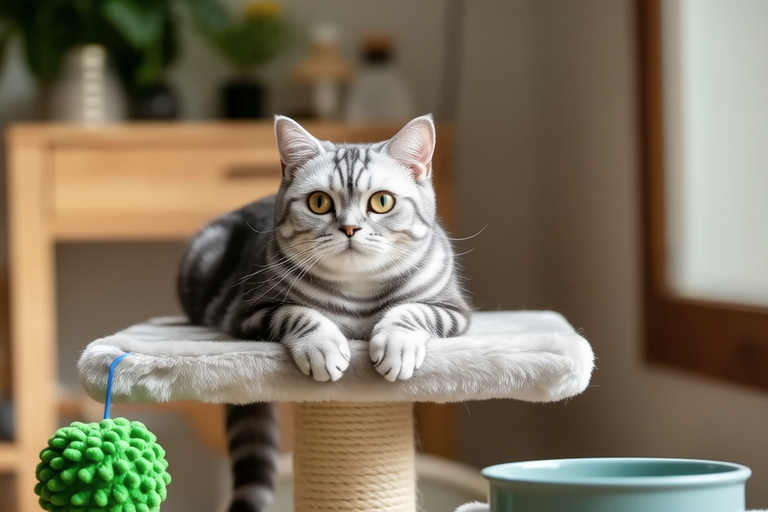
How to Care for Your Munchkin: Tips from an Expert
Welcome to the world of Munchkins, a unique breed of cats known for their short legs and playful demeanor. Munchkins, named after the characters from ‘The Wizard of Oz,’ are captivating creatures that have captured the hearts of cat enthusiasts worldwide. Their distinct appearance, coupled with their friendly and active nature, makes them a delightful addition to any household. This guide will provide you with essential tips on how to care for your Munchkin, ensuring they live a healthy and happy life.
Diet: Nourishing Your Munchkin
A well-balanced diet is crucial for maintaining your Munchkin’s health. These cats are typically more active than average, which means they require a diet rich in proteins and fats to fuel their energy. High-quality commercial cat food, tailored for indoor or active cats, is recommended. Look for brands that list meat as the primary ingredient and avoid those with excessive fillers or artificial preservatives. Additionally, ensure your Munchkin has access to fresh water at all times. You might consider incorporating occasional treats into their diet but remember to keep them within moderation to prevent obesity.
Exercise: Keeping Your Munchkin Active
Munchkins are known for their playful and energetic nature, making regular exercise a necessity. Encourage your Munchkin’s natural instincts by providing toys that stimulate their hunting and chasing behaviors. Laser pointers, feather wands, and interactive toys can be great tools to engage them. Create an environment that encourages physical activity by setting up climbing structures, tunnels, and perches. Despite their short legs, Munchkins are surprisingly agile and enjoy exploring their surroundings. Regular play sessions can also help strengthen the bond between you and your cat.
Grooming: Maintaining Your Munchkin’s Appearance
Grooming is an important aspect of caring for your Munchkin. Regular brushing helps to remove loose hair, preventing hairballs and minimizing shedding around your home. The frequency of grooming depends on your Munchkin’s coat type; long-haired Munchkins may require daily brushing, while short-haired ones can manage with weekly sessions. Additionally, it’s essential to check your Munchkin’s nails regularly and trim them if necessary. Keep an eye on their ears and teeth too, cleaning them gently and consulting your veterinarian about dental care products that can help maintain oral hygiene.
Health Concerns Specific to Munchkins
While Munchkins are generally healthy cats, there are some health issues to be aware of. One of the most notable is lordosis, a condition where the spine curves inward, sometimes causing difficulty in breathing or digestion. Another common issue is pectus excavatum, a deformity of the chest wall that can affect heart and lung function. Regular veterinary check-ups are crucial for early detection and management of these conditions. Obesity can also pose significant risks to Munchkins, so monitoring their weight and adjusting their diet accordingly is important. Early neutering or spaying can reduce the risk of certain cancers and behavioral problems.
Creating a Safe Environment
Ensuring a safe living space is vital for your Munchkin. Their short legs make certain areas more challenging to navigate, so it’s important to provide ramps or steps to reach elevated surfaces like windowsills or furniture. Secure any dangling cords or wires that could pose a choking hazard. Cat-proof your home by covering electrical outlets and securing loose objects that could topple over. Install soft landing pads or cushions beneath high surfaces to protect them in case of falls. Providing plenty of hiding spots and cozy resting areas will also help your Munchkin feel secure and comfortable.
Bonding and Training Techniques
Building a strong bond with your Munchkin is key to their overall well-being. Spend quality time with your cat through interactive play and gentle handling. Positive reinforcement training methods, such as rewarding good behavior with treats or praise, can be effective in teaching basic commands and improving their social skills. Consistency is crucial in training, so establish clear rules and routines. Socialization from an early age can help your Munchkin become confident and well-adjusted. Consider enrolling them in kitten classes or supervised playgroups to enhance their social interactions.
In conclusion, caring for a Munchkin requires attention to their unique needs and characteristics. By providing a balanced diet, ample exercise, proper grooming, regular veterinary care, and a safe environment, you can ensure your Munchkin leads a healthy and fulfilling life. Bonding and training techniques will further enrich your relationship with your beloved pet. With the right care and love, your Munchkin will bring joy and companionship to your home for many years to come.
