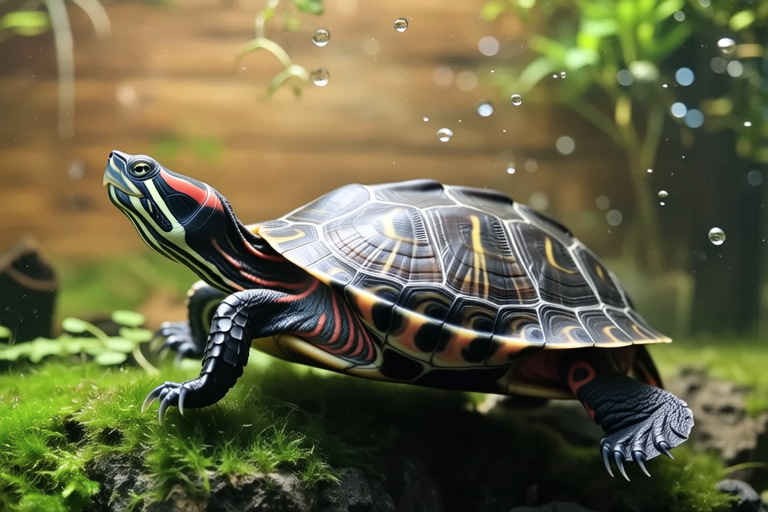
From Tank to Terrarium: Transforming Your Red-eared Slider’s Habitat
Welcome to the world of red-eared slider care! These semi-aquatic turtles are popular pets known for their charming personalities and relatively low maintenance needs. However, providing them with the right habitat is crucial for their health and well-being. This article will guide you through transforming your traditional tank into an enriched terrarium that mimics their natural environment, offering both scientific insights and practical advice.
The Natural Habitat of Red-eared Sliders
Red-eared sliders (Trachemys scripta elegans) originate from the central United States, where they inhabit slow-moving rivers, ponds, and lakes. Their natural habitat is characterized by abundant vegetation, warm temperatures, and basking sites. Understanding these conditions helps us recreate an ideal environment for our pet sliders.
Essential Elements for a Healthy Terrarium Setup
Water Area
The water area should be large enough to allow swimming and diving. A general rule is to provide at least 10 gallons of water per inch of shell length for adult turtles. The water should be clean and filtered to prevent bacterial growth and maintain water quality. A submersible filter can help keep the water clear and free of harmful substances.
Land Area
A dry land area is essential for basking and digestion. It should be large enough for the turtle to fully extend its limbs and stretch out its body. A sloped ramp or smooth stones can facilitate easy access between the water and land areas. The land area should also have a heat source to provide a warm, dry spot for basking.
Temperature and Lighting
Red-eared sliders require specific temperature ranges to thrive. The water temperature should ideally range between 75°F and 80°F (24°C to 27°C), while the basking area should reach around 90°F to 95°F (32°C to 35°C). UVB lighting is crucial for calcium absorption and overall health. A full-spectrum UVB lamp should be placed above the basking area, ensuring that the turtle can bask under it for several hours each day.
Step-by-Step Transformation Tips
Assessing the Current Setup
The first step in transforming your tank into a terrarium is assessing the current setup. Evaluate the size of the enclosure, the presence of filtration systems, and the availability of basking areas. Determine whether the current setup meets the basic requirements for a healthy terrarium.
Adding Land Area
To add a land area, consider using a sloped ramp or smooth stones to connect the water and land areas. This allows the turtle to easily move between the two environments. You can also incorporate live or artificial plants to create a more naturalistic setting.
Enhancing Lighting and Heating
Invest in a high-quality UVB lamp and a reliable heat source for the basking area. Position the UVB lamp so that it provides sufficient light for the turtle to bask under it. Ensure that the heat source is positioned correctly to achieve the desired temperature range.
Incorporating Decorations
Add decorations such as rocks, driftwood, and aquatic plants to enhance the aesthetic appeal of the terrarium. These items also serve functional purposes, providing hiding spots and enrichment for the turtle. Be mindful of the materials used; ensure they are non-toxic and safe for the turtle.
Common Mistakes to Avoid
Overcrowding
One common mistake is overcrowding the terrarium. Each turtle requires adequate space to swim, bask, and explore. Overcrowding can lead to stress, poor water quality, and increased risk of disease.
Improper Filtration
Failing to provide proper filtration can result in poor water quality, which may cause respiratory infections and other health issues. Regularly clean and maintain the filtration system to ensure optimal water conditions.
Lack of UVB Lighting
Many turtle owners overlook the importance of UVB lighting. Without it, turtles cannot synthesize vitamin D3, leading to metabolic bone disease. Always ensure that the UVB lamp is functioning properly and replace it according to the manufacturer’s recommendations.
Maintenance Tips
Regular Water Changes
Perform regular water changes to maintain water quality. Aim to change 25% of the water weekly and perform a complete water change every few weeks. Use a dechlorinator to remove chlorine and chloramines from tap water before adding it to the terrarium.
Cleaning the Terrarium
Regular cleaning of the terrarium is essential to prevent the buildup of bacteria and algae. Clean the water area and land area thoroughly, paying special attention to any decorations or substrates. Disinfect the enclosure periodically to ensure a hygienic environment.
Monitoring Health
Regularly monitor the health of your red-eared slider. Look for signs of illness such as lethargy, loss of appetite, or abnormal behavior. Consult a veterinarian specializing in reptiles if you notice any concerning symptoms.
Conclusion
Transforming your traditional tank into an enriched terrarium can greatly improve the quality of life for your red-eared slider. By understanding their natural habitat and providing the essential elements for a healthy environment, you can ensure that your turtle thrives. Remember to avoid common mistakes and follow proper maintenance practices to keep your terrarium clean and inviting. With the right setup and care, your red-eared slider will enjoy a happy and healthy life in its new home.
