From Shell To Shore: Uncovering The Unique Needs Of Hermit Crabs
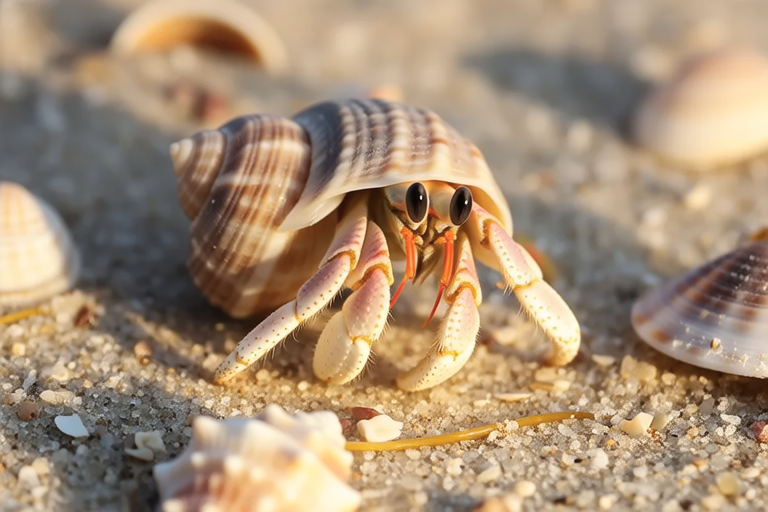
Welcome to the fascinating world of hermit crabs! These quirky creatures have captured the hearts of many pet enthusiasts with their unique behaviors and adorable appearances. Originating from tropical and subtropical coastal areas, hermit crabs are not true crabs but members of the superfamily Paguroidea. Unlike other crustaceans, they do not have a hard exoskeleton to protect themselves. Instead, they seek refuge within discarded snail shells, using them as mobile homes. Understanding the specific needs of hermit crabs is essential for their well-being when kept as pets.
The Natural Habitat
In their natural habitat, hermit crabs thrive in coastal regions, often found in sandy or rocky beaches, mangrove swamps, and coral reefs. They are highly social creatures, living in large colonies where communication and cooperation play significant roles. In these environments, hermit crabs face numerous challenges, including predators, competitors, and environmental changes. As pets, it’s important to replicate their natural conditions as closely as possible to ensure their health and happiness.
Selecting Appropriate Shells
One of the most critical aspects of hermit crab care is providing suitable shells. These shells serve as both protection and shelter for the crabs, so it’s crucial to offer a variety of sizes and shapes. When choosing shells, consider the size and shape that best fit your hermit crabs. Additionally, ensure the shells are clean and free from harmful substances like pesticides or harsh chemicals. It’s also advisable to provide multiple shells per crab, allowing them to switch and explore different options.
The Role of Substrate
Substrate plays a vital role in creating a comfortable living environment for hermit crabs. A suitable substrate mimics the natural sand or soil they would find in their native habitats. Fine-grade coconut fiber or crushed coral is recommended for their tanks, as it retains moisture and provides a stable base. Avoid using gravel or small rocks, as they can pose choking hazards. The substrate should be at least two to three inches deep to allow for burrowing and molting.
Humidity Requirements
Maintaining optimal humidity levels is crucial for hermit crabs’ respiratory systems and overall health. In their natural habitats, hermit crabs live in humid environments near the ocean. In captivity, it’s essential to replicate this by keeping the humidity between 70% and 80%. This can be achieved through regular misting, the use of a humidifier, or placing a shallow water dish in the tank. Ensure there is adequate ventilation to prevent mold growth and maintain air circulation.
Temperature Control
Hermit crabs are ectothermic, meaning their body temperature depends on the environment around them. They prefer temperatures between 70°F and 85°F (21°C to 29°C). Maintaining this temperature range ensures their metabolism functions correctly and helps prevent stress-related illnesses. Use a thermometer to monitor the temperature and consider investing in a heat lamp or under-tank heater if necessary. Avoid extreme temperature fluctuations, as they can be detrimental to your crabs’ health.
Diet Specifics
A balanced diet is key to keeping hermit crabs healthy and active. Their diet should consist of a variety of foods, including commercial hermit crab pellets, fresh fruits, vegetables, and occasional protein sources like boiled eggs or fish. Offer a mix of calcium-rich foods such as cuttlebone or crushed eggshells to support shell growth and maintenance. Always ensure food is fresh and avoid feeding processed or sugary foods. Providing a diverse diet will help your hermit crabs stay vibrant and healthy.
Tips For Setting Up A Healthy Tank Environment
Creating a suitable tank setup is essential for your hermit crabs’ well-being. Start by selecting a spacious tank that allows ample space for your crabs to move and explore. A ten-gallon tank is suitable for a small group, while larger groups require proportionally bigger tanks. Incorporate various elements such as branches, rocks, and plants to mimic their natural environment. Ensure the tank has proper ventilation and a secure lid to prevent escapes. Regular cleaning and maintenance are also crucial to keep the tank hygienic and safe for your pets.
Common Health Issues To Watch Out For
Despite proper care, hermit crabs may still encounter health issues. Common problems include molting difficulties, shell rot, and parasites. Molting is a natural process during which hermit crabs shed their old exoskeleton to grow. During this time, they become vulnerable and require a safe, secluded area. Shell rot occurs when the shell becomes infected or damaged, leading to decay. Parasites can also affect hermit crabs, causing lethargy, loss of appetite, and visible external signs. Monitoring your crabs regularly and addressing any issues promptly can help maintain their health.
Advice On Responsible Ownership
Owning hermit crabs comes with great responsibility. Before committing to these pets, research thoroughly and ensure you can provide the necessary care. Consider adopting rather than purchasing from breeders, as this supports ethical practices and reduces demand for wild-caught crabs. Educate yourself about their needs and commit to ongoing learning. Finally, always prioritize the well-being of your hermit crabs, ensuring they have a happy and healthy life in your care.
Encouraging A Sustainable Hobby
As hermit crab ownership grows in popularity, it’s important to promote sustainable practices. Encourage responsible breeding and ethical sourcing of supplies. Support local hermit crab rescue organizations and participate in community events to raise awareness. By fostering a culture of sustainability, we can ensure hermit crabs continue to bring joy and wonder to pet lovers for generations to come.
