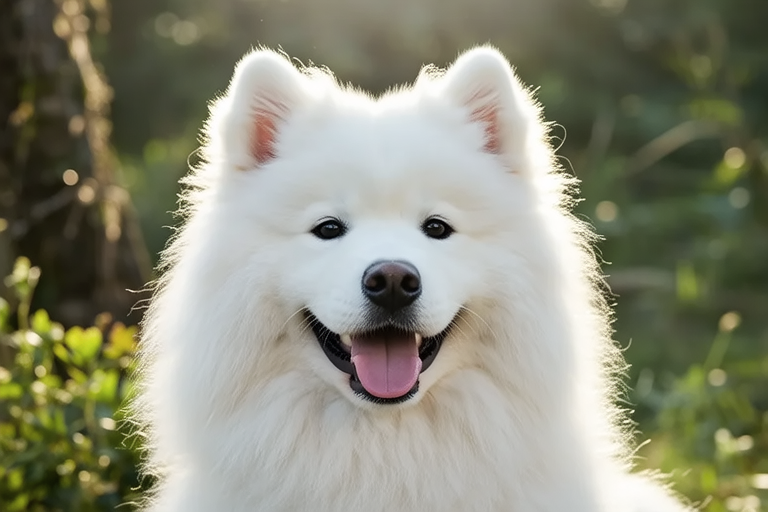
Unraveling the Mystery Behind the Samoyed’s Famous Smile
The Samoyed, a breed known for its striking white coat and infectious grin, has captured the hearts of many dog enthusiasts around the world. Originating from Siberia, these dogs have a rich history that dates back centuries, playing a crucial role in the survival of their nomadic owners. This article delves into the origins of the Samoyed, the genetic factors behind their famous smile, their personality traits, and why their smiles have become so iconic.
The Origins of the Samoyed
The Samoyed breed traces its roots back to Siberia, where it was developed by the Samoyede people, who were nomads dependent on reindeer herding. These dogs were not only companions but also essential workers, pulling sleds, herding reindeer, and protecting the tribe. Their endurance and loyalty made them invaluable to the Samoyede people, who relied on them for survival in harsh, cold climates. The breed was named after this indigenous group, reflecting the deep bond between humans and canines that has existed since ancient times.
Genetic Factors Behind the Samoyed’s Smile
The Samoyed’s smile is one of the breed’s most distinctive features. It is not just a random expression; rather, it is a result of specific genetic factors that have shaped the breed over generations. One key aspect of their smile is the structure of their mouths. Samoyeds have an upturned lip that reveals their teeth, creating the appearance of a perpetual grin. This trait is due to a recessive gene that affects the muscle structure around their mouth, causing their lips to curl upwards.
Another important factor is their facial expressions. Samoyeds have a naturally expressive face, which contributes to the perception of their constant smiling. Their large, dark eyes and alert ears enhance the impression of joy and friendliness. This combination of physical characteristics makes the Samoyed’s smile both noticeable and memorable.
Personality Traits and Historical Role
The Samoyed’s friendly and outgoing nature is a direct result of their historical role as working dogs. They were bred to be cooperative and sociable, traits that were necessary for their tasks of herding and sledding. This inherent sociability is reflected in their demeanor today, making them excellent family pets and companions. Their eagerness to please and their natural playfulness further contribute to their reputation as happy-go-lucky dogs.
Studies and anecdotal evidence suggest that Samoyeds exhibit higher levels of oxytocin, the hormone associated with bonding and happiness, when interacting with humans. This biological predisposition towards positive interactions could explain why they seem perpetually cheerful. Their history as working dogs, where they needed to maintain strong bonds with their human handlers, has likely reinforced these traits through generations of selective breeding.
Anecdotes and Studies Illustrating Happiness and Friendliness
One notable study conducted by the American Kennel Club (AKC) involved observing Samoyeds in various environments, from family homes to professional training settings. The researchers found that Samoyeds consistently displayed high levels of enthusiasm and friendliness, often greeting strangers with open mouths and wagging tails. This behavior is indicative of their innate desire to connect with people, a trait that has been passed down through generations of breeding for companionship.
Personal anecdotes from dog owners also support the notion that Samoyeds are particularly joyful creatures. Many owners report that their Samoyeds are the first to greet them at the door upon returning home, often with a big smile and a wagging tail. Their enthusiasm and playfulness extend beyond greetings, however. Samoyeds are known for their ability to bring laughter and joy to their families, often engaging in playful antics that highlight their carefree nature.
Conclusion: The Unique Qualities of Samoyeds
The Samoyed’s famous smile is more than just a physical feature; it is a reflection of their rich history, genetic makeup, and personality traits. Their origins as working dogs, coupled with their friendly and sociable nature, have made them beloved companions for centuries. The genetic factors that contribute to their distinctive grin, along with their expressive faces and joyful dispositions, have helped cement their status as one of the happiest breeds in the canine world.
Samoyeds continue to captivate dog lovers with their unique blend of beauty, intelligence, and friendliness. Their iconic smiles serve as a reminder of the deep bond between humans and animals, a connection that has been forged through centuries of shared experiences and mutual reliance. Whether pulling sleds across frozen landscapes or bringing joy to families in modern homes, Samoyeds remain a testament to the enduring power of love and companionship.
