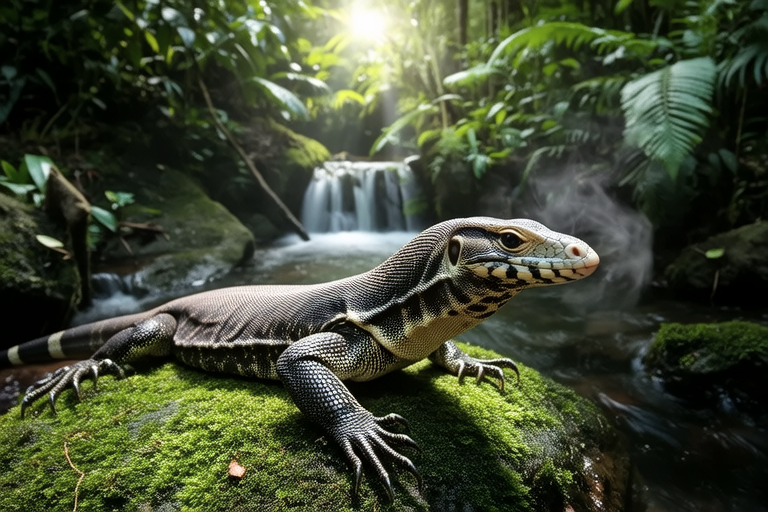
The Ultimate Adventure of Living with a Water Monitor
Living with a water monitor (Varanus salvator) is an experience like no other. These magnificent reptiles are among the largest lizards in the world, and their presence can be both awe-inspiring and challenging. This article will delve into the unique behaviors, care requirements, and challenges of owning a water monitor, offering insights from personal experiences and providing tips for first-time owners. By the end, you’ll have a comprehensive understanding of what it takes to provide a loving home for these incredible creatures.
A Glimpse into the World of Water Monitors
Water monitors are native to Southeast Asia, where they thrive in a variety of habitats, including mangroves, forests, and freshwater environments. They are highly adaptable and can be found near rivers, lakes, and even in urban areas. Their natural habitat influences their behavior, making them both curious and resourceful. Water monitors are skilled swimmers, capable of holding their breath underwater for extended periods, and they are also adept climbers, often seen basking on tree branches or rocks.
One of the most fascinating aspects of water monitors is their intelligence. They are known to exhibit problem-solving skills and can even recognize individual humans. In my experience, my water monitor, named Max, quickly learned to associate me with feeding time. He would become excited and vocal, his tail thumping against the ground as he anticipated food. This level of interaction makes owning a water monitor a deeply rewarding experience.
Care Requirements: A Comprehensive Guide
Owning a water monitor requires a significant commitment to providing the right environment, diet, and medical care. The enclosure for a water monitor should be large enough to accommodate its size and encourage natural behaviors. For a juvenile, a 4 x 2 x 2-foot tank is suitable, but as they grow, the space needs to expand accordingly. Adult water monitors may require enclosures up to 8 x 4 x 4 feet. The enclosure should include a water area for swimming and soaking, as well as climbing structures for exercise and mental stimulation.
Temperature and humidity are crucial for the health of your water monitor. The enclosure should have a temperature gradient, with a warm basking spot around 90-95°F (32-35°C) and cooler areas at about 75-80°F (24-27°C). Humidity levels should be maintained between 60% and 80%. Achieving the correct temperature and humidity can be challenging, especially in dry climates. I found that using a combination of under-tank heating pads and a humidifier helped create a comfortable environment for Max.
Diet is another critical aspect of water monitor care. In the wild, water monitors are opportunistic feeders, consuming a wide range of prey items, including fish, insects, small mammals, and birds. In captivity, a balanced diet consisting of commercially available reptile diets, rodents, and feeder fish is recommended. It’s essential to ensure that the diet provides all necessary nutrients, so supplementation with vitamins and minerals is often required. Feeding Max was always an exciting process; watching him hunt and consume his meals was a testament to his natural instincts.
Challenges of Owning a Water Monitor
While living with a water monitor can be incredibly rewarding, it is not without its challenges. One of the most significant challenges is the sheer size of these animals. As they grow, their housing needs increase, which can be expensive and logistically difficult. Another challenge is ensuring that the enclosure remains clean and safe for the lizard. Water monitors are messy eaters and defecators, and maintaining hygiene can be time-consuming.
Behavioral challenges also exist. Water monitors can be territorial and may display aggressive behavior if they feel threatened. Proper socialization and handling from a young age are crucial to prevent aggression. However, even with proper care, some water monitors may never fully acclimate to human interaction. My own experience with Max taught me the importance of patience and consistency in training. Over time, Max became more comfortable around me, but he always remained cautious of strangers.
Tips for First-Time Owners
If you’re considering adding a water monitor to your family, there are several things to keep in mind. First, do extensive research before committing to ownership. Understanding the specific needs of water monitors will help you prepare adequately for their arrival. Next, ensure that you have the resources to meet their long-term care requirements, including financial stability and space for their growing enclosure.
When selecting a water monitor, choose a reputable breeder who prioritizes the health and well-being of their animals. Look for signs of good health, such as clear eyes, strong limbs, and healthy skin. It’s also important to acclimate your new pet to its environment gradually. Start by keeping the enclosure simple and gradually introduce enrichment elements as your water monitor becomes more comfortable.
Handling your water monitor should be done carefully and consistently. Always approach from the side or front, never from behind, to avoid startling them. Use a net or hook when necessary to safely move your water monitor. Regular handling sessions can help build trust and reduce stress for both you and your pet.
The Rewarding Aspects of Caring for a Water Monitor
Despite the challenges, the rewards of caring for a water monitor are immeasurable. Watching these animals grow and thrive in a safe and nurturing environment is incredibly fulfilling. The bond that can develop between owner and pet is unique and deeply meaningful. My relationship with Max was one of the highlights of my life, and the joy I experienced when he recognized me was indescribable.
Owning a water monitor also offers opportunities for learning and growth. Caring for these intelligent creatures encourages continuous education about their biology, behavior, and conservation. It’s a journey of discovery that enriches both the owner and the pet. Additionally, the responsibility of caring for a water monitor fosters a sense of stewardship and environmental awareness, contributing positively to the community of reptile enthusiasts.
Conclusion
The ultimate adventure of living with a water monitor is a journey filled with challenges, discoveries, and profound connections. While owning a water monitor requires dedication and effort, the rewards far outweigh the difficulties. With the right knowledge, preparation, and commitment, you can provide a loving home for these magnificent creatures and enjoy the unique experience of sharing your life with a water monitor.
