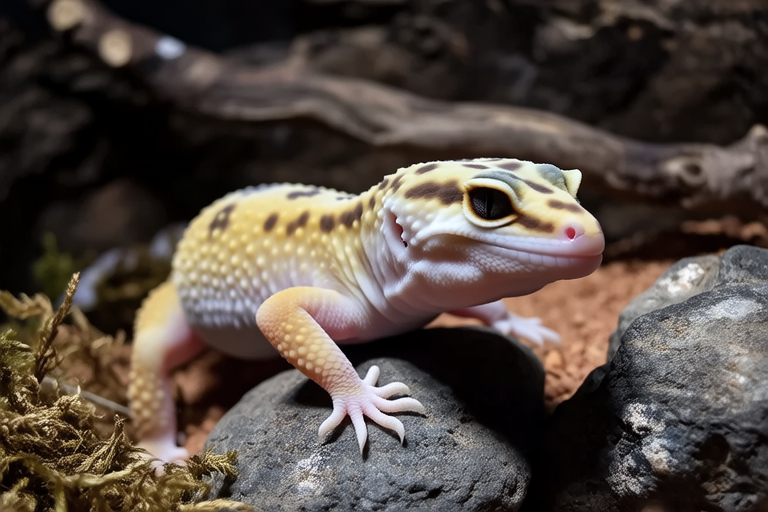
Unleashing the Secrets of Leopard Gecko Care: A Comprehensive Guide
Welcome to your ultimate guide on how to care for leopard geckos! Whether you’re a first-time reptile owner or an experienced herpetologist, this guide will provide you with all the necessary information to ensure your pet’s health and happiness. From setting up the perfect habitat to understanding their dietary needs, we’ve got you covered.
Habitat Setup
Creating a suitable environment for your leopard gecko is crucial for its well-being. Leopard geckos are nocturnal and terrestrial, meaning they prefer burrowing and hiding during the day. Start by selecting an appropriately sized tank; a 20-gallon terrarium is ideal for one adult leopard gecko. The tank should have a secure lid to prevent escapes but allow for adequate ventilation.
For substrate, avoid loose materials like sand, which can lead to impaction if ingested. Instead, opt for paper towels, reptile carpet, or eco-friendly substrates specifically designed for reptiles. These options are safer and easier to clean.
Incorporate several hide spots within the enclosure. Leopard geckos need places to retreat and feel secure. You can use commercially available hides or create DIY versions from cardboard boxes or ceramic pots. Ensure there’s at least one hide on the warm side and another on the cool side of the tank.
Lastly, include a shallow water dish for drinking and soaking. Change the water daily to maintain hygiene.
Temperature and Lighting Requirements
Leopard geckos require specific temperature gradients within their enclosure to thermoregulate. Use a heat mat or under-tank heater on one side of the tank to create a warm basking area, maintaining temperatures between 88°F and 90°F (31°C-32°C). The cooler side should remain around 75°F to 80°F (24°C-27°C).
Adequate nighttime cooling is also important, so temperatures can drop to as low as 65°F to 70°F (18°C-21°C) without issue. To monitor these conditions, invest in a reliable digital thermometer and hygrometer. This equipment will help you maintain optimal temperatures and humidity levels.
Unlike many other reptiles, leopard geckos do not require UVB lighting. However, providing a low-level red light or a night-specific bulb can be beneficial for observing your gecko’s behavior during the night.
Diet Specifics
Leopard geckos are insectivores, meaning their diet consists primarily of insects. Crickets, mealworms, and dubia roaches are excellent choices. Offer a variety of prey items to ensure a balanced intake of nutrients.
The size of the prey should be appropriate for the gecko’s mouth; generally, no larger than the space between its eyes. Feed juveniles daily, while adults can be fed every two to three days. Dust the insects with calcium and vitamin D3 supplements before feeding to support bone health and overall well-being.
Additionally, consider gut-loading the insects with nutritious foods like fruits and vegetables before offering them to your gecko. This practice enhances the nutritional value of each meal.
Handling Tips
When handling your leopard gecko, always ensure gentle and respectful interactions. Leopard geckos are relatively docile but may become stressed if handled too roughly or frequently. Allow them time to adjust to their new home before regular handling sessions.
Pick up your gecko by supporting its body with both hands, avoiding any squeezing or pinching. Let it crawl onto your hands instead of forcing it. Regular handling builds trust and makes your gecko more comfortable around you.
Health Concerns
Common health issues in leopard geckos include metabolic bone disease (MBD), respiratory infections, and impaction. MBD occurs due to insufficient calcium intake, leading to weak bones and deformities. Respiratory infections can develop from improper temperature or humidity levels. Impaction happens when substrate or undigested food blocks the digestive tract.
To prevent these problems, maintain proper husbandry practices, monitor your gecko’s behavior and appearance, and consult a veterinarian specializing in reptiles if you notice any unusual symptoms. Early detection and treatment are key to successful outcomes.
Breeding Information
If you’re interested in breeding leopard geckos, understanding their reproductive biology is essential. Leopard geckos reach sexual maturity at around 12 to 18 months of age. Breeding season typically begins in late winter or early spring.
Creating a brumation period (a state of dormancy similar to hibernation) can stimulate breeding behavior. During this time, gradually lower the temperature and reduce feeding over a few weeks. After a month or two, slowly return the enclosure to normal conditions.
Once active again, introduce a male and female into the same enclosure. Ensure there’s enough space and hiding spots to minimize stress. After mating, females will lay eggs approximately 30 to 45 days later. Provide a laying box filled with moist vermiculite or coconut fiber for egg deposition.
Incubate the eggs at 88°F to 90°F (31°C-32°C) for optimal development. Hatching usually occurs after 45 to 60 days. Newborn geckos require separate enclosures with appropriate environmental conditions until they reach adulthood.
Debunking Common Myths
There are several misconceptions surrounding leopard gecko care. One popular myth is that leopard geckos need live plants in their enclosure. While some reptiles benefit from live plants, leopard geckos do not require them. Another misconception is that leopard geckos can thrive on a diet consisting solely of crickets. As mentioned earlier, a varied diet ensures better nutrition.
Finally, some believe that leopard geckos don’t need UVB lighting. While this is true, providing low-level red or night-specific bulbs can still enhance their quality of life by allowing observation and promoting natural behaviors.
Conclusion
Caring for a leopard gecko requires dedication and knowledge, but the rewards are immeasurable. By following the guidelines outlined in this comprehensive guide, you’ll be well-equipped to provide your gecko with a healthy, happy life. Remember to stay informed about advancements in reptile care and always prioritize your pet’s welfare above all else.
