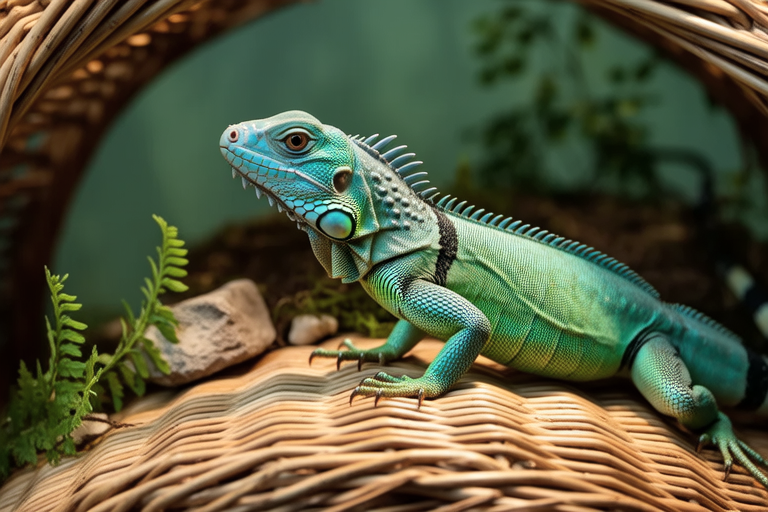
Splendid Japalure: Nature’s Hidden Gem in Your Home
Welcome to the fascinating world of Japalura, a genus of lizards that has captured the hearts of reptile enthusiasts and nature lovers alike. With their vibrant colors, intriguing behaviors, and unique physical traits, Japaluras are more than just pets; they are splendid companions that can bring joy and wonder into your home. In this article, we will explore the wonders of the Japalura genus, delving into their origins, characteristics, care requirements, and the many benefits of owning one of these captivating creatures.
Understanding the Japalura Genus
The Japalura genus belongs to the family Agamidae and comprises several species of lizards native to Southeast Asia, particularly Vietnam, Laos, and China. These lizards are known for their striking appearance and diverse coloration, ranging from earthy tones to bright, eye-catching hues. The most popular species among hobbyists include Japalura splendida (splendid Japalura) and Japalura tricarinata (three-striped Japalura).
Japaluras are characterized by their slender bodies, long tails, and distinctive scales. Their heads are often adorned with colorful patterns, and their eyes are alert and expressive. One of the most notable features of Japaluras is their ability to change color depending on their mood or environment. This chameleon-like characteristic adds to their charm and mystique.
Natural Habitat and Behavior
In their natural habitat, Japaluras thrive in dense forests and rocky terrains. They are adept climbers and are often found perched on branches or basking on rocks. These lizards are diurnal, meaning they are active during the day, and spend much of their time seeking warmth and sunlight. They are territorial and may display aggressive behavior towards other Japaluras if space is limited.
Japaluras are solitary creatures by nature, preferring to live alone rather than in groups. They are intelligent and curious, often exploring their surroundings with great interest. Despite their independent nature, Japaluras can form strong bonds with their human caretakers, making them delightful pets for those who are patient and observant.
Dietary Needs
Feeding a Japalura is relatively straightforward, but it is important to provide a balanced diet to ensure their health and well-being. In the wild, Japaluras are insectivores, feeding primarily on insects such as crickets, mealworms, and waxworms. It is crucial to offer a variety of prey items to ensure they receive all the necessary nutrients.
Aside from insects, Japaluras can also benefit from occasional supplementation with fruits and vegetables. However, these should be offered sparingly, as they are not a primary component of their diet. It is essential to gut-load feeder insects with nutritious foods before offering them to your lizard. Additionally, dusting the insects with calcium and vitamin D3 supplements helps prevent deficiencies and promotes healthy bone development.
Setting Up the Ideal Environment
Creating a suitable living environment for your Japalura is key to their happiness and longevity. A spacious vivarium with plenty of vertical space is ideal, as these lizards enjoy climbing and basking. The enclosure should be equipped with sturdy branches, rocks, and hiding spots to mimic their natural habitat. A substrate that allows for easy cleaning and does not pose a risk of ingestion is recommended, such as coconut fiber or reptile-safe bark chips.
Temperature and humidity levels must be carefully controlled to replicate the conditions of their native environment. Japaluras require a temperature gradient within their enclosure, with a warm side ranging between 85-90°F (29-32°C) and a cooler side around 75-80°F (24-27°C). A UVB light source is essential for calcium absorption and overall health, so ensure you have a high-quality UVB bulb installed in the vivarium. Humidity levels should be maintained at 60-70% to keep your Japalura comfortable and hydrated.
The Joy of Owning a Japalura
Owning a Japalura can be a rewarding experience for both experienced reptile keepers and newcomers to the hobby. These lizards are relatively low-maintenance compared to some other exotic pets, yet they offer a unique and captivating presence in your home. Watching your Japalura bask in the sun, climb, and interact with its environment can be a source of endless fascination.
Japaluras are not typically handled, as they prefer to observe their surroundings from a distance. However, with patience and gentle interactions, you can develop a bond with your lizard. Regular observation and engagement can help you understand your Japalura’s behavior and preferences, enhancing the connection between you and your pet.
Health and Longevity
With proper care, Japaluras can live for several years, making them a long-term commitment for any owner. Regular veterinary check-ups are recommended to monitor their health and address any potential issues early. Signs of illness in Japaluras may include loss of appetite, lethargy, or changes in skin coloration. If you notice any concerning symptoms, consult a veterinarian specializing in reptiles immediately.
Maintaining a clean and hygienic vivarium is crucial for preventing the spread of diseases and ensuring your Japalura remains healthy. Regular spot cleaning and deep cleaning schedules should be established to remove waste and maintain optimal environmental conditions.
Care Tips for Beginners
If you’re new to keeping reptiles, Japaluras can be a fantastic choice due to their manageable size and relatively simple care requirements. Here are a few tips to help you get started:
- Research thoroughly: Before bringing a Japalura home, familiarize yourself with their specific needs and behaviors. Understanding their habitat, diet, and care requirements will help you provide the best possible environment for your pet.
- Start with the basics: Begin with a basic setup, including a suitable vivarium, substrate, and lighting. As you gain more experience, you can gradually add more advanced features to enhance your Japalura’s environment.
- Be patient: Japaluras may take some time to acclimate to their new surroundings. Give them space and allow them to explore their environment at their own pace.
- Monitor closely: Keep a close eye on your Japalura’s behavior and health. Early detection of any issues can prevent serious problems down the line.
Conclusion
The Japalura genus offers a unique and enchanting addition to any home, combining beauty, intelligence, and independence. By understanding their natural habitat, dietary needs, and care requirements, you can provide a thriving environment for your splendid Japalura. Whether you’re a seasoned reptile keeper or a first-time owner, the joy and satisfaction of caring for one of these captivating creatures are sure to enrich your life. Embrace the opportunity to connect with nature and welcome a splendid Japalura into your home today.
