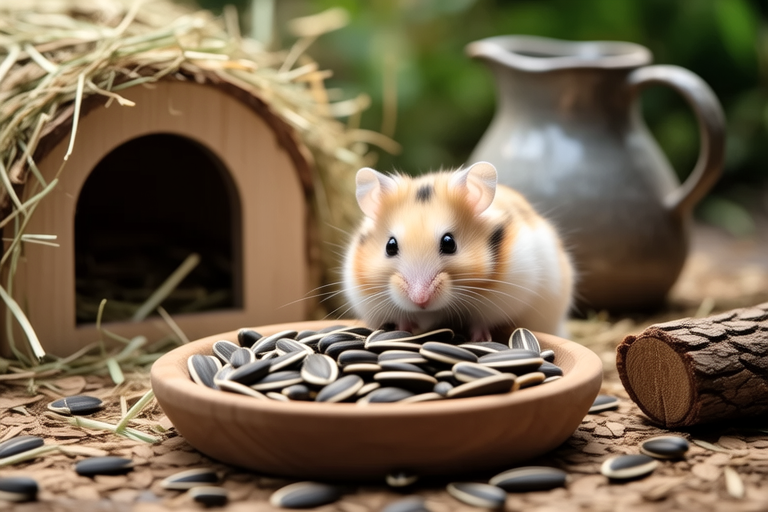
How to Create the Perfect Habitat for Your Happy, Healthy Golden Hamster
Golden hamsters are delightful pets that bring joy and companionship to their owners. However, to ensure they remain happy and healthy, it is crucial to provide them with an ideal living environment. This comprehensive guide will walk you through creating the perfect habitat for your golden hamster, covering essential aspects such as cage size, bedding materials, toys and accessories, diet integration, temperature and lighting requirements, and regular cleaning and maintenance.
Suitable Cage Size
The first step in creating the perfect habitat for your golden hamster is selecting the right cage. A spacious cage allows your pet to move around freely, exercise, and explore. The recommended minimum size for a single golden hamster is 360 square inches (24 inches x 15 inches). However, if possible, opt for a larger cage to provide more space for your hamster to play and move around.
Ensure that the cage has multiple levels or platforms for climbing and exploring. Hamsters are naturally curious creatures, and providing them with different levels can help satisfy their curiosity and prevent boredom. Additionally, choose a cage with a secure lid or door to prevent your hamster from escaping. Wire cages are a popular choice because they offer good ventilation and allow your hamster to climb, but they must have solid flooring to protect your hamster’s feet.
Bedding Material Recommendations
The bedding you choose for your golden hamster’s cage is crucial for their comfort and health. Opt for soft, dust-free bedding that provides cushioning and absorbs moisture. Some popular choices include:
- Paper-based bedding: Made from recycled paper, this type of bedding is soft, absorbent, and easy to clean.
- Cedar and pine shavings: While cedar and pine shavings are popular, avoid them as they can irritate your hamster’s respiratory system and cause health issues.
- Fresh timothy hay: Hay is a great option as it mimics the natural nesting material that hamsters would find in the wild.
Change the bedding regularly to maintain cleanliness and prevent odors. Aim to clean the cage at least once a week, or more frequently if needed. When changing the bedding, thoroughly clean the cage with warm water and mild soap, ensuring no soap residue remains before adding fresh bedding.
Necessary Toys and Accessories for Mental Stimulation
To keep your golden hamster mentally stimulated and entertained, it’s essential to provide various toys and accessories. Hamsters are active animals that require mental and physical stimulation to stay healthy and happy. Here are some suggestions:
- Exercise wheel: A running wheel allows your hamster to burn off energy and stay physically fit. Choose a solid-surface wheel to prevent injuries to your hamster’s feet.
- Tunnels and tubes: These items provide opportunities for exploration and hiding, which are important for a hamster’s psychological well-being.
- Chew toys: Providing safe chew toys helps keep your hamster’s teeth trimmed and prevents overgrowth.
- Hammocks and swings: These items add variety to your hamster’s environment and provide a comfortable place to rest.
Rotate the toys periodically to keep your hamster interested and engaged. This practice also helps prevent boredom and destructive behavior.
Proper Diet Integration Within the Habitat
Feeding your golden hamster a balanced diet is crucial for their overall health. Hamsters are omnivores and require a mix of proteins, fats, carbohydrates, vitamins, and minerals. Provide a high-quality commercial hamster food as the base of their diet. Supplement this with fresh vegetables, fruits, and occasional treats.
Place the food dish in a quiet corner of the cage where your hamster feels safe eating. Avoid feeding your hamster human food, as it may contain ingredients harmful to their health. Fresh water should be available at all times. Use a water bottle with a sipper tube to ensure a constant supply of clean, fresh water.
Temperature and Lighting Requirements
Golden hamsters thrive in a moderate temperature range between 65°F and 75°F (18°C to 24°C). Avoid exposing your hamster to extreme temperatures, as this can lead to heatstroke or hypothermia. Keep the cage away from direct sunlight, drafts, and air conditioning vents to maintain a stable temperature.
Provide a consistent lighting schedule to regulate your hamster’s circadian rhythm. Hamsters are nocturnal animals, so they are most active during the night. Mimic this by keeping the room dimly lit during the day and providing a dark, quiet environment at night. You can use a small night light or red LED light to provide minimal illumination without disturbing your hamster’s sleep.
Tips for Regular Cleaning and Maintenance
Maintaining a clean and hygienic habitat is vital for your golden hamster’s health and happiness. Follow these tips for regular cleaning and maintenance:
- Spot cleaning: Remove any soiled bedding or uneaten food daily to prevent odor buildup and bacterial growth.
- Deep cleaning: Clean the entire cage thoroughly at least once a week. This includes removing all bedding, washing the cage and accessories with mild soap and water, and replacing with fresh bedding.
- Sanitizing: After deep cleaning, sanitize the cage and accessories using a pet-safe disinfectant. Rinse thoroughly and allow everything to dry completely before adding fresh bedding.
- Check for wear and tear: Inspect the cage and accessories regularly for signs of damage or wear. Replace any damaged items promptly to ensure your hamster’s safety.
By following these guidelines, you can create a comfortable, stimulating, and healthy environment for your golden hamster. Remember that a well-cared-for hamster is a happy hamster, and a happy hamster makes a wonderful companion.
In conclusion, creating the perfect habitat for your golden hamster involves careful consideration of many factors, including cage size, bedding materials, toys and accessories, diet integration, temperature and lighting requirements, and regular cleaning and maintenance. By paying attention to these details, you can ensure your hamster leads a long, healthy, and joyful life. Whether you’re a new owner or a seasoned hamster enthusiast, these tips will help you provide the best possible care for your furry friend.
