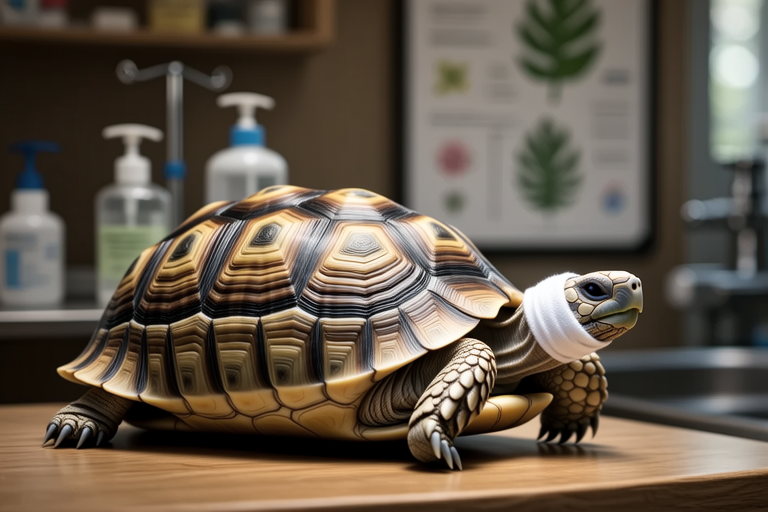
Rescuing and Rehabilitating Injured Three-Striped Box Turtles: What You Need to Know
The three-striped box turtle (Trachemys scripta triunguis) is a species native to parts of the United States, particularly in the southeastern region. These turtles play a vital role in maintaining the ecological balance of their habitats. They serve as prey for various predators and also help control insect populations. However, due to habitat loss, road accidents, and other human-related activities, many of these turtles find themselves in need of rescue and rehabilitation. This article aims to provide a comprehensive guide on how to rescue, rehabilitate, and release these magnificent creatures back into their natural environment.
The Importance of Rescuing Three-Striped Box Turtles
Three-striped box turtles are not only important for the ecosystem but also hold cultural significance in many communities. Their unique shell patterns and gentle demeanor make them beloved by many. Rescuing these turtles ensures their survival and helps maintain the biodiversity of their habitats. Moreover, rescued turtles can be used for educational purposes, fostering a deeper connection between humans and nature.
Common Injuries in the Wild
These turtles often suffer from injuries that range from minor cuts to severe fractures. Road traffic is one of the leading causes of injury for three-striped box turtles. When crossing roads, they may get hit by vehicles, resulting in broken shells or limbs. Additionally, encounters with predators like raccoons and foxes can lead to puncture wounds or missing limbs. Other common injuries include infections from bites, fungal growths, and dehydration.
How to Safely Rescue an Injured Turtle
Step 1: Assess the Situation
Before attempting to rescue an injured turtle, ensure your own safety. Look around for any potential dangers such as traffic or aggressive animals. If the turtle is in a busy area, try to move it to a safer location nearby.
Step 2: Approach the Turtle Carefully
When approaching the turtle, do so slowly and gently. Use gloves if possible to protect yourself from any bacteria or parasites that might be present on the turtle’s skin or shell. Avoid handling the turtle by its legs or tail as this could cause further injury.
Step 3: Transport the Turtle Safely
Place the turtle in a secure container lined with soft material like towels or blankets. Ensure there is enough ventilation and avoid overcrowding the container. Keep the turtle in a quiet, stress-free environment during transport.
The Rehabilitation Process
Necessary Medical Care
Upon arrival at a rehabilitation center, the turtle will undergo a thorough examination by a veterinarian specializing in reptiles. The vet will assess the extent of the injuries and determine the appropriate treatment plan. This may include cleaning and dressing wounds, administering antibiotics, or setting fractures. In some cases, surgery might be required to repair damaged areas.
Dietary Requirements
A balanced diet is crucial for the recovery of an injured turtle. The diet should consist of a variety of foods rich in nutrients, including leafy greens, fruits, insects, and commercial turtle pellets. It is essential to monitor the turtle’s weight and adjust the diet accordingly to ensure proper healing and growth.
The Role of Veterinarians Specializing in Reptiles
Veterinarians who specialize in reptiles play a pivotal role in the rehabilitation process. They have the knowledge and skills necessary to diagnose and treat various ailments specific to turtles. These professionals work closely with rehabilitation centers to develop and implement effective treatment plans tailored to each individual turtle’s needs.
Tips for Releasing Rehabilitated Turtles
Once the turtle has fully recovered, it is time to consider its release back into the wild. Choose a release site that closely resembles the turtle’s original habitat. Release the turtle early in the morning or late in the evening when temperatures are cooler and activity levels are lower. Avoid releasing multiple turtles in the same location to prevent competition for resources.
Supporting Local Wildlife Rehabilitation Efforts
There are several ways you can contribute to the ongoing efforts to rescue and rehabilitate injured three-striped box turtles. Consider volunteering at a local wildlife rehabilitation center, donating funds or supplies, or participating in community events aimed at raising awareness about these issues. By getting involved, you can help ensure the continued survival of these remarkable creatures.
In conclusion, rescuing and rehabilitating injured three-striped box turtles is an important endeavor that requires careful planning and execution. From assessing the situation to releasing the rehabilitated turtle back into its natural environment, every step plays a crucial role in ensuring the turtle’s survival and well-being. By following the guidelines outlined in this article, you can make a positive impact on the lives of these fascinating creatures and contribute to the preservation of their habitats.
