How to Care for Your Hotot Rabbit Like a Pro: Essential Tips Inside
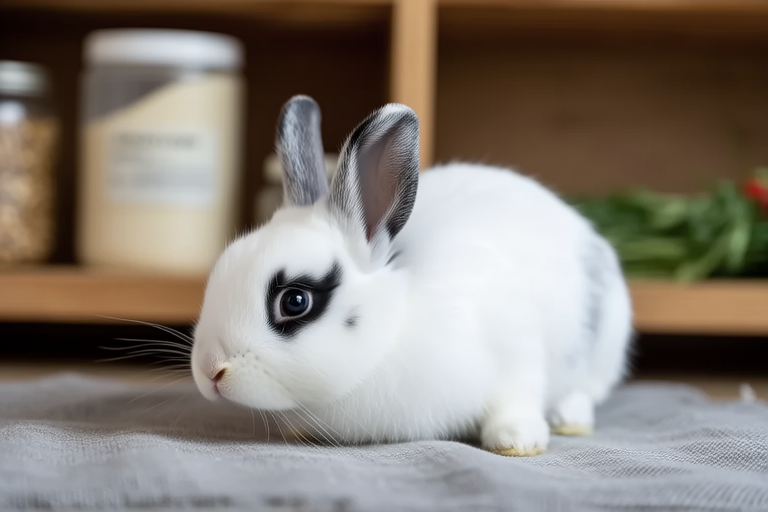
Welcome to the wonderful world of Hotot rabbits! These charming creatures are known for their striking appearance, with their pure white fur and black or blue eyes that seem to pop against their otherwise pristine coats. Their name comes from a French village called Hotot-en-Brie, where they were first developed by Eugène Étien. Hotots are a medium-sized breed, typically weighing between 3.6 to 4.5 kg (8 to 10 lbs), making them perfect as pets and show animals. They are gentle, calm, and intelligent, which makes them great companions for families and individuals alike.
Proper Diet for Your Hotot Rabbit
Just like humans, your Hotot rabbit’s diet plays a crucial role in their overall health and well-being. A balanced diet should consist of hay, fresh vegetables, and a small amount of pellets. Timothy hay is the most recommended type of hay for adult rabbits, while alfalfa hay is suitable for younger rabbits. It’s important to provide unlimited access to hay because it aids in digestion and keeps teeth healthy.
Vegetables should make up about 10% of your rabbit’s daily intake. Introduce new vegetables gradually to avoid digestive upset. Good choices include romaine lettuce, parsley, cilantro, and spinach. Fruits can be offered sparingly as treats due to their high sugar content. Avoid feeding your rabbit iceberg lettuce, rhubarb, or beans, as they can cause serious health problems.
Pellets should be provided in limited quantities, around 1/4 cup per 5 pounds of body weight daily. Look for pellets that are high in fiber and low in protein. Overfeeding pellets can lead to obesity and other health issues. Always ensure clean water is available at all times, either through a water bottle or bowl.
Housing Requirements for Your Hotot Rabbit
Adequate living space is essential for your Hotot rabbit’s comfort and happiness. Provide a spacious cage or hutch that allows plenty of room for movement. The minimum size for a single rabbit is 8 square feet, but larger is always better. Make sure the cage has a solid floor and sides to prevent injury and escape. A wire-bottom cage is not recommended as it can hurt your rabbit’s feet.
Line the bottom of the cage with bedding material such as straw, shredded paper, or wood shavings. Avoid cedar and pine shavings as they can irritate your rabbit’s respiratory system. Keep the living area clean by regularly removing soiled bedding and cleaning the cage with pet-safe disinfectants.
Your Hotot rabbit also needs a safe place to hide and feel secure. Provide a cardboard box, tunnel, or house made specifically for rabbits. This will give them a sense of security and reduce stress. Additionally, consider providing chew toys to keep your rabbit entertained and their teeth healthy. Rotate toys regularly to prevent boredom.
Exercise Needs for Your Hotot Rabbit
Rabbits need regular exercise to maintain their physical and mental health. Allow your Hotot rabbit supervised time outside of their cage each day. A large, enclosed area is ideal, but you can also create a playpen using baby gates or a rabbit-proofed room. Ensure the area is free from hazards such as electrical cords, toxic plants, and small objects that could be swallowed.
Supervise your rabbit during playtime to prevent accidents. Rabbits enjoy running, jumping, and exploring, so provide tunnels, ramps, and platforms for enrichment. Exercise not only helps with muscle development but also reduces the risk of obesity and behavior problems. Aim for at least 3 to 4 hours of exercise per day, spread throughout the day if possible.
Grooming Tips for Your Hotot Rabbit
Grooming is an important part of caring for your Hotot rabbit. Their short, dense fur requires regular brushing to remove loose hair and prevent matting. Use a soft-bristled brush or a slicker brush to gently brush your rabbit’s coat once or twice a week. Pay special attention to areas behind the ears and under the chin.
Bathing is generally unnecessary unless your rabbit gets particularly dirty or smelly. If you do need to bathe your rabbit, use a gentle shampoo formulated for rabbits or pets. Wet your rabbit thoroughly, lather with shampoo, and rinse completely. Dry your rabbit with towels or a blow dryer set on low heat. Be patient and calm during the process to minimize stress.
Carefully trim your rabbit’s nails every few weeks. Use nail clippers designed for small animals or human fingernail clippers. Trim only the tip of the nail, avoiding the quick, which contains blood vessels and nerves. If you accidentally cut into the quick, apply styptic powder to stop bleeding. You can also take your rabbit to a professional groomer if you’re uncomfortable doing it yourself.
Common Health Issues to Look Out For
Like any animal, Hotot rabbits are prone to certain health issues. Knowing what to look for can help you catch problems early and seek appropriate treatment. Common health concerns include dental disease, gastrointestinal stasis, and respiratory infections.
Dental disease is one of the most prevalent issues in rabbits. Overgrown teeth can cause pain, difficulty eating, and malnutrition. Signs of dental problems include drooling, weight loss, and reluctance to eat. Regular check-ups with a veterinarian can help identify and address dental issues before they become severe.
Gastrointestinal stasis occurs when food moves too slowly through the digestive tract, leading to bloating, discomfort, and eventually life-threatening conditions. Symptoms include reduced appetite, decreased fecal production, and lethargy. Preventive measures include a proper diet, adequate exercise, and regular visits to the vet.
Respiratory infections can occur due to poor ventilation or exposure to cold drafts. Symptoms include sneezing, runny nose, and labored breathing. Keep your rabbit’s living area clean and well-ventilated to reduce the risk of infection. If you notice any signs of illness, consult your veterinarian immediately.
Social Interaction and Training Techniques
Hotot rabbits are social animals that thrive on interaction with their human companions. Spend quality time with your rabbit each day, offering affection and positive reinforcement. Gently pet your rabbit, talk to them, and engage in activities together. This will strengthen your bond and promote a happy, well-adjusted pet.
Training your Hotot rabbit can be fun and rewarding. Start by teaching basic commands such as coming when called or sitting on command. Use treats as rewards to encourage desired behaviors. Be patient and consistent with training sessions, keeping them short and positive. Avoid punishment-based methods, as they can lead to fear and aggression.
Introducing your Hotot rabbit to other animals requires careful consideration. Supervised introductions are necessary to ensure compatibility and safety. Keep an eye on interactions and separate the animals if conflicts arise. Socialization with humans is more important than with other animals, so focus on creating a strong bond with your rabbit.
Where to Find Reliable Veterinary Care
Finding a reliable veterinarian who specializes in exotic pets, including rabbits, is crucial for your Hotot rabbit’s health and well-being. Ask for recommendations from fellow rabbit owners or visit local veterinary clinics to inquire about their experience with rabbits. Look for veterinarians who have completed additional training in exotic animal medicine.
Regular check-ups are essential for maintaining your rabbit’s health. Schedule annual wellness exams and vaccinations as recommended by your veterinarian. Be proactive about addressing any health concerns and follow your vet’s advice regarding preventive care. Establishing a good relationship with your veterinarian ensures that your Hotot rabbit receives the best possible care throughout its life.
