From Hatching to Habitat: The Complete Lifecycle of the Chilean Rose Tarantula
The Chilean rose tarantula (Grammostola rosea) has become one of the most popular pet tarantulas due to its docile nature and striking appearance. Native to the deserts and scrublands of South America, this species is known for its beautiful pinkish-brown coloration that intensifies as it matures. Despite its name, the Chilean rose tarantula can be found across various regions of Argentina, Chile, and Peru. This article will explore the complete lifecycle of the Chilean rose tarantula, from its early stages of development to adulthood, and provide guidance on creating an optimal habitat for these fascinating creatures.
Egg Sac Formation and Hatching
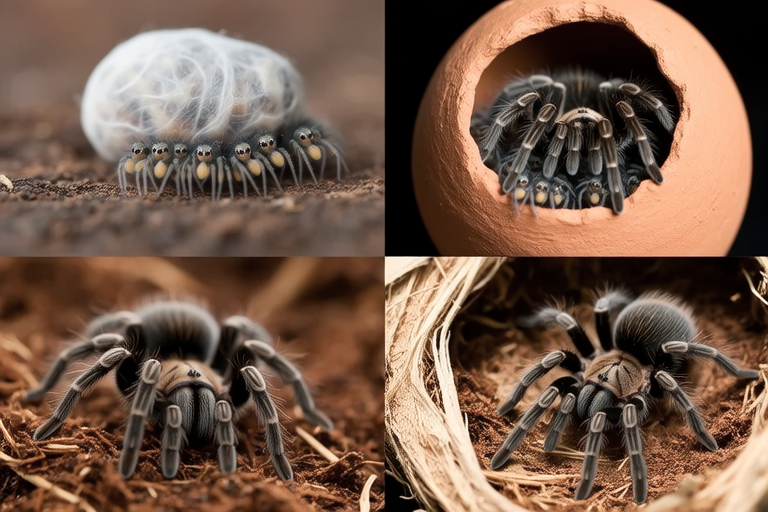
The lifecycle of the Chilean rose tarantula begins with the female’s egg sac. After mating, the female constructs a silken egg sac, which she carefully guards. The egg sac is typically deposited in a secluded area within the spider’s burrow or enclosure. It takes approximately two to three months for the eggs to develop fully. During this time, the female provides constant protection, ensuring the safety of her future offspring.
Once the eggs hatch, tiny neonate tarantulas emerge. These newborns are incredibly small, measuring only about 3mm in length. At this stage, they are extremely delicate and require careful handling. The neonates stay close to their mother for several days, feeding on minute particles of food left by her. This initial period is crucial for their survival, as they are highly vulnerable to environmental changes and predators.
Neonate Stage and Early Growth
After leaving the egg sac, the neonate Chilean rose tarantulas enter the first phase of their independent lives. They begin to explore their surroundings and start hunting for prey. Initially, they feed on small insects such as fruit flies and pinhead crickets. As they grow, their dietary requirements change, and they can consume larger prey items like dubia roaches.
The growth rate of young tarantulas is influenced by factors such as diet and environmental conditions. Regular molting is essential during this stage, as it allows the tarantula to shed its old exoskeleton and grow. Each molt brings them closer to adulthood, where they reach their full size. By the age of one year, they have usually reached maturity, although males may take slightly longer to mature fully.
Dietary Needs and Evolution
Diet plays a significant role in the health and development of the Chilean rose tarantula. In the wild, they primarily feed on insects, but in captivity, a varied diet can promote better health. Neonates and juveniles thrive on small insects, while adults can handle larger prey like dubia roaches and superworms. It’s important to avoid overfeeding, as excess food can lead to obesity and other health issues.
As the tarantula grows, so does its appetite. Adult Chilean rose tarantulas can eat once every few weeks, depending on their activity level and metabolism. Providing a balanced diet ensures proper nutrition and supports their immune system. Feeding should be done cautiously, as overfeeding can cause digestive problems and shorten the lifespan of the tarantula.
Molting Process and Its Significance
Molting is a critical part of the Chilean rose tarantula’s lifecycle. During this process, the tarantula sheds its exoskeleton to make room for growth. Prior to molting, the tarantula stops eating and becomes less active. The tarantula then flips onto its back, and the old exoskeleton splits along the abdomen, allowing the new one to emerge.
This process is vital for the tarantula’s health and development. A successful molt results in a healthier and more vibrant tarantula. However, complications can arise if the exoskeleton does not separate properly, leading to regrowth issues or even death. Owners must monitor their tarantulas closely during this time to ensure a smooth transition. Providing a humid environment can help facilitate the molting process, as moisture aids in the separation of the old exoskeleton.
Creating an Optimal Habitat
To ensure the well-being of your Chilean rose tarantula, setting up an appropriate habitat is essential. The enclosure should be spacious enough to allow the tarantula to move freely and provide hiding spots for security. A terrarium with a capacity of at least 5 gallons is recommended for adult tarantulas, while juveniles can be housed in smaller containers.
Temperature and humidity levels are crucial for maintaining the tarantula’s health. The ideal temperature range for a Chilean rose tarantula is between 75°F and 85°F (24°C to 29°C). Humidity should be kept around 60% to 70%, which can be achieved by misting the enclosure regularly. Substrate is another important factor; a mix of coconut fiber and vermiculite works well, providing both moisture retention and ease of cleaning.
Proper ventilation is also necessary to prevent the buildup of harmful bacteria and fungi. A screen lid or mesh cover can help maintain airflow while preventing escape. Additionally, providing a water dish is essential for hydration, especially in dry environments. Regular maintenance, including spot cleaning and deep cleaning, ensures a clean and healthy living space for your tarantula.
Handling and Caring Tips
Handling your Chilean rose tarantula requires caution and respect for their natural behavior. These tarantulas are generally docile, but they can be skittish and prone to defensive reactions when threatened. Always approach them slowly and gently, avoiding sudden movements. Use a long-handled tool or a soft brush to coax the tarantula out of its enclosure for brief periods.
Regular observation of your tarantula’s behavior can help identify any potential health issues early on. Signs of distress include reduced activity, loss of appetite, or unusual molting patterns. If you notice any concerning symptoms, consult a veterinarian specializing in exotic pets for advice. Proper care and attention will contribute to a longer and happier life for your Chilean rose tarantula.
In conclusion, understanding the lifecycle of the Chilean rose tarantula from hatching to habitat is key to providing optimal care for these remarkable creatures. From the delicate neonate stage to adulthood, each phase requires specific attention to diet, environment, and handling. By following the guidelines outlined in this article, you can ensure the longevity and well-being of your pet tarantula, fostering a rewarding relationship with one of nature’s most fascinating arachnids.
