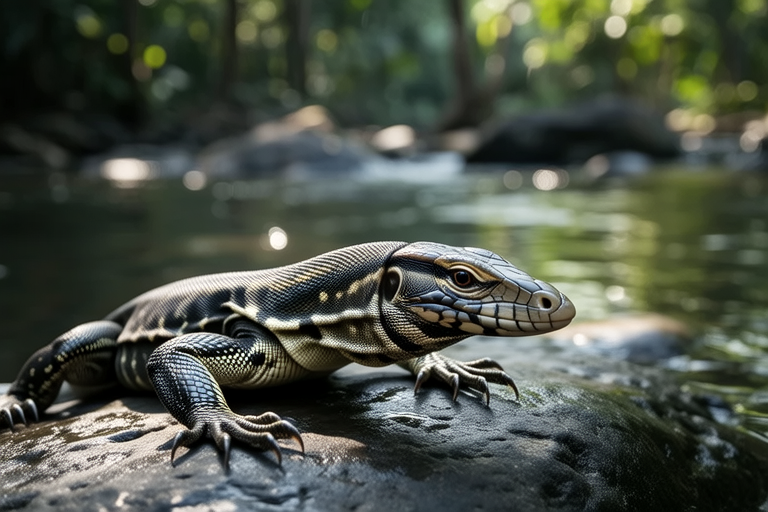
The Majestic Water Monitor: Captivating Facts and Care Tips
The water monitor (Varanus salvator) is a species of lizard native to parts of southern Asia. These reptiles are known for their impressive size, agility, and adaptability. With a natural habitat that spans from lush tropical forests to freshwater swamps and mangroves, water monitors have evolved into remarkable creatures that captivate both reptile enthusiasts and casual observers alike. This article delves into the fascinating world of water monitors, providing an array of captivating facts about their behavior, diet, and unique abilities. Additionally, it offers comprehensive care tips for those considering owning one as a pet, ensuring they are well-prepared for the responsibilities involved.
Natural Habitat and Physical Characteristics
Water monitors can be found in a wide range of environments across Southeast Asia, including Indonesia, Malaysia, Thailand, India, and Sri Lanka. They thrive in areas with abundant water sources such as rivers, lakes, and coastal regions. These lizards are semi-aquatic, meaning they spend part of their time in water and part on land. Their natural habitat provides them with ample opportunities to hunt, bask, and explore.
Physically, water monitors are among the largest lizards in the world. Adults typically measure between 4 to 7 feet in length, with some specimens reaching up to 9 feet. Males tend to be larger than females. Their bodies are sleek and muscular, designed for both swimming and climbing. Water monitors possess powerful tails that aid in propulsion through water and balance when climbing trees. Their coloration varies widely depending on their location, but most individuals exhibit shades of brown or green, often adorned with dark spots or bands that help them blend into their surroundings.
Captivating Facts About Behavior, Diet, and Abilities
One of the most intriguing aspects of water monitors is their behavior. They are highly intelligent and curious creatures, displaying complex social interactions and problem-solving skills. In the wild, these lizards are solitary animals, only coming together during mating season. They are also territorial, marking their territory with scent glands located near their cloaca.
When it comes to hunting, water monitors are opportunistic feeders. Their diet consists mainly of small mammals, birds, fish, amphibians, and insects. They have sharp teeth and strong jaws, allowing them to tackle prey much larger than themselves. Water monitors are also known to scavenge, making use of carrion when available. Their keen sense of smell plays a crucial role in locating food, especially underwater.
In addition to their hunting prowess, water monitors possess several unique abilities. One of the most remarkable is their ability to hold their breath for extended periods, enabling them to dive deep into water bodies in search of prey. They can remain submerged for up to 30 minutes, thanks to their efficient lungs and specialized heart that allows blood to bypass the lungs when necessary. Another interesting adaptation is their forked tongue, which helps them detect chemical signals in the environment, aiding in navigation and predator avoidance.
Detailed Care Tips for Pet Owners
Housing
Providing appropriate housing is essential for the well-being of your water monitor. A spacious enclosure is necessary to accommodate their size and activity level. For an adult water monitor, a minimum tank size of 8 feet by 4 feet by 4 feet is recommended. The enclosure should include both terrestrial and aquatic areas, allowing the lizard to swim and climb as it would in nature.
Substrate choices should mimic the natural environment of the water monitor. A mixture of coconut fiber and bark chips works well, as it retains moisture and promotes humidity levels suitable for this species. Adding branches, logs, and rocks will provide climbing opportunities and enrichment. A large water dish should be included, deep enough for the lizard to fully submerge itself. Regular cleaning of the enclosure is vital to maintain hygiene and prevent infections.
Diet
Feeding a water monitor requires careful consideration of their nutritional needs. A balanced diet should consist primarily of whole prey items such as mice, rats, chicks, and feeder fish. Offering a variety of protein sources ensures that the lizard receives all necessary nutrients. It’s important to gut-load the prey items with nutritious vegetables and supplements before feeding them to the monitor.
Supplements containing calcium and vitamin D3 should be provided regularly to prevent metabolic bone disease. Feeding frequency depends on the age and size of the lizard, but generally, younger water monitors should be fed more frequently (every 2-3 days) compared to adults (once or twice a week). Monitoring body condition and adjusting the diet accordingly is key to maintaining optimal health.
Health
Maintaining good health in water monitors involves regular veterinary check-ups and proper husbandry practices. Common health issues include respiratory infections, parasites, and metabolic bone disease. Signs of illness may include lethargy, loss of appetite, abnormal skin conditions, or difficulty breathing. Prompt action is crucial if any symptoms arise.
To prevent health problems, keep the enclosure clean, maintain appropriate temperature gradients, and ensure adequate lighting. UVB lighting is particularly important for synthesizing vitamin D3, which aids in calcium absorption. Providing a basking spot with temperatures ranging from 95°F to 110°F and a cooler area around 80°F will help regulate metabolism and promote overall wellness.
Handling
Water monitors are powerful and potentially dangerous animals, so handling should be approached with caution. Always supervise young children and inexperienced handlers when interacting with these lizards. Start by establishing trust through consistent, gentle interactions. Approach the lizard slowly and calmly, avoiding sudden movements that could startle it.
When picking up a water monitor, support its entire body, including the tail, to prevent injury. Use two hands—one under the chest and the other supporting the hindquarters—when lifting. Never restrain or handle the lizard by its tail, as this can cause serious harm. Regular handling sessions can help acclimate the lizard to human interaction, but always respect its boundaries and avoid prolonged or forceful contact.
Commitment Required and Ethical Considerations
Owning a water monitor is a significant commitment that requires dedication and resources. These lizards grow rapidly and can live for over 10 years, demanding continuous care throughout their lifespan. Proper housing, diet, and medical attention are essential to ensure their well-being. Potential owners must also consider the environmental impact of keeping exotic pets, as captive breeding programs may reduce pressure on wild populations.
Ethical considerations play a crucial role in deciding whether to own a water monitor. Responsible ownership includes sourcing the animal from reputable breeders who prioritize animal welfare and conservation efforts. Avoid purchasing wild-caught specimens, as this contributes to habitat destruction and poaching. Additionally, understanding local laws and regulations regarding exotic pet ownership is imperative to avoid legal issues.
Ultimately, while water monitors are fascinating creatures with many endearing qualities, they are best suited for experienced reptile keepers with the knowledge, resources, and commitment necessary to provide them with a suitable environment. For those willing to take on this responsibility, caring for a water monitor can be a rewarding experience, offering insight into the lives of these magnificent reptiles.
