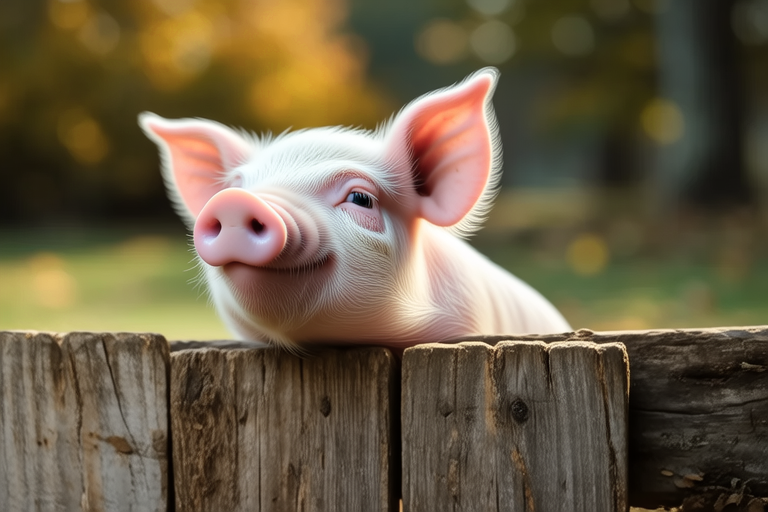
Beyond Baby Potatoes: Fun and Fascinating Facts About Miniature Pigs
When people hear the term “miniature pigs,” they often imagine small, cuddly animals resembling oversized stuffed toys or baby potatoes. However, these pint-sized creatures are far from being mere novelty pets. They are intelligent, social, and fascinating animals that have captured the hearts of many pet enthusiasts. This article delves into the world of miniature pigs, uncovering the truth behind their name, origin, and other intriguing aspects.
The Origin of Miniature Pigs
Miniature pigs trace their roots back to various breeds developed through selective breeding. One of the most well-known breeds is the Pot-bellied Pig, which was initially bred in Vietnam. These pigs were originally used for food but were later exported to Europe and North America where they gained popularity as pets. Other breeds, such as the Juliana and the Kunekune, also contribute to the diverse gene pool of miniature pigs. Each breed has its unique characteristics, but all share the trait of being smaller than standard farm pigs.
Average Size and Lifespan
Contrary to popular belief, miniature pigs come in different sizes depending on the breed. On average, they can weigh between 30 to 150 pounds and stand approximately 12 to 20 inches tall at the shoulder. Their lifespan ranges from 12 to 20 years, making them long-term companions. The teacup pig, a term often used loosely, is a particularly small variety that typically does not exceed 60 pounds.
Diet and Nutrition
Feeding miniature pigs requires careful consideration. Their diet should be balanced and nutritious, consisting primarily of commercial pig feed formulated for their specific needs. This diet should include a mix of grains, vegetables, and fruits, with limited amounts of protein. Owners must avoid overfeeding, as obesity is a significant health risk for these pigs. Additionally, providing fresh water and occasional treats like apples or carrots can enhance their diet while promoting bonding between owner and pet.
Intelligence and Training Capabilities
Miniature pigs are incredibly smart and trainable. They can learn commands and tricks similar to dogs, including sit, stay, and roll over. Their intelligence is comparable to that of a three-year-old child, making them highly adaptable to new environments and situations. Training sessions should be positive and reward-based, using treats and praise to encourage good behavior. With consistent effort, miniature pigs can become well-behaved and responsive companions.
Temperament and Suitability as Pets
Despite their charming appearance, miniature pigs require a lot of attention and care. They are generally friendly, curious, and affectionate, forming strong bonds with their owners. However, they can be stubborn and may exhibit destructive behaviors if not properly trained or given sufficient mental stimulation. Potential owners should be prepared for the challenges of raising a pig, including the need for regular exercise, social interaction, and environmental enrichment.
Pros of Owning a Miniature Pig
- Companionship: Miniature pigs are loving and devoted animals that thrive on human interaction.
- Intelligence: Their high level of intelligence makes them enjoyable to train and engage with.
- Longevity: With proper care, they can live for many years, providing lasting companionship.
Cons of Owning a Miniature Pig
- Space Requirements: While smaller than standard pigs, they still need ample space to roam and exercise.
- Cost: Providing a suitable environment and diet can be expensive.
- Legal Restrictions: Some areas have regulations regarding exotic pets, so it’s essential to check local laws before adopting.
Anecdotes and Stories
One heartwarming story involves a miniature pig named Daisy who saved her owner from a severe allergic reaction. When her owner collapsed, Daisy ran to fetch help, barking at neighbors until someone responded. Another tale recounts how a miniature pig named Charlie learned to open the fridge and retrieve snacks for his owner. These stories highlight the loyalty and cleverness of these animals.
Tips for Potential Owners
If you’re considering adding a miniature pig to your family, here are some tips to ensure a successful adoption:
- Research Thoroughly: Understand the commitment involved in owning a miniature pig, including their dietary needs, space requirements, and legal considerations.
- Choose the Right Breed: Different breeds have varying temperaments and physical traits, so select one that best suits your lifestyle.
- Provide Adequate Space: Ensure there’s enough room for your pig to move around comfortably, whether indoors or outdoors.
- Regular Veterinary Care: Schedule routine check-ups with a veterinarian experienced in treating pigs.
- Train Consistently: Use positive reinforcement techniques to teach your pig good manners and keep them mentally stimulated.
Owning a miniature pig is a rewarding experience for those willing to commit to their care and well-being. By understanding their needs and providing a nurturing environment, these delightful animals can bring joy and companionship to many households.
