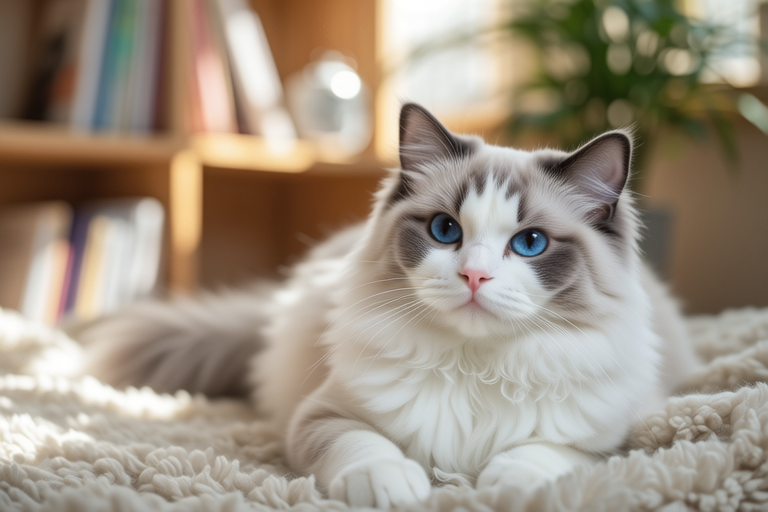
From Lap Warmth to Heart Melting: A Journey into Ragdoll Love
The world of feline companionship is vast and varied, offering a wide array of breeds each with their own unique personalities and traits. Among these, the Ragdoll stands out as a breed that has captured the hearts of many with its distinctive blend of affection and docility. Known for their laid-back demeanor and penchant for cuddling, Ragdolls are often described as the ‘puppy cats’ of the cat world due to their tendency to follow their humans around and their love for being held. This article delves into the enchanting world of Ragdolls, exploring their unique temperament, physical attributes, historical background, and the joys of caring for one of these gentle giants.
Affectionate Nature and Docile Behavior
Ragdolls are renowned for their affectionate and docile nature. These cats have an innate ability to connect deeply with their human companions, often seeking out moments of closeness and comfort. Their gentle disposition makes them perfect for families with children or other pets. One owner, Sarah, shared her experience, saying, “Our Ragdoll, Luna, is like a little shadow. She follows us everywhere, and when we sit down, she’s always there, purring contentedly in our laps.” This level of companionship is a hallmark of the breed, making Ragdolls ideal for those looking for a pet that offers more than just company.
Physical Characteristics
Physically, Ragdolls are large and sturdy cats with a semi-longhaired coat that comes in various colors and patterns. They have a broad chest and strong legs, giving them a robust yet graceful appearance. Their most striking feature, however, is their large, blue almond-shaped eyes, which seem to hold a depth of emotion and curiosity. The combination of their luxurious coats and expressive eyes creates a look that is both elegant and captivating. These physical traits contribute to the breed’s appeal, making them a favorite among cat enthusiasts.
Anecdotes from Ragdoll Owners
The bond between Ragdolls and their owners is profound and often filled with heartwarming moments. Another owner, Mark, recounted a touching story, “One evening, I came home after a long day at work, feeling exhausted. My Ragdoll, Max, greeted me at the door, and as soon as I sat down, he curled up in my lap. It was as if he knew exactly what I needed – a moment of peace and affection. That’s when I truly understood the depth of his love.” Such anecdotes highlight the special connection that forms between Ragdolls and their human families.
History of the Breed
The history of the Ragdoll breed is a fascinating tale of dedication and vision. Developed in the 1960s by Ann Baker, a breeder in Riverside, California, the Ragdoll is a relatively new breed. Baker sought to create a cat that combined the best traits of other breeds, resulting in a cat that was not only beautiful but also exceptionally loving. Over time, through selective breeding, the Ragdoll emerged as a distinct breed recognized for its unique qualities. Today, Ragdolls are cherished worldwide for their charm and companionship.
Caring for a Ragdoll Cat
Owning a Ragdoll cat is a rewarding experience, but it does come with responsibilities. Proper care includes meeting their dietary needs, maintaining their grooming routine, and ensuring their overall health. Ragdolls require a balanced diet rich in proteins and essential nutrients to support their growth and maintain their health. Regular grooming is necessary to keep their coats healthy and free from tangles. Additionally, regular veterinary check-ups are important to monitor their health and address any concerns early on. By providing proper care, owners can ensure their Ragdoll lives a long and happy life.
Dietary Needs
Ragdolls thrive on a high-quality diet that meets their nutritional requirements. Their meals should include a balance of proteins, fats, and carbohydrates. It’s advisable to consult with a veterinarian to determine the specific dietary needs based on the cat’s age, activity level, and overall health. Wet food can be particularly beneficial, as it helps to keep them hydrated and supports urinary tract health. Providing fresh water at all times is also crucial.
Grooming
Ragdolls have semi-longhair coats that require regular brushing to prevent matting and tangling. Grooming sessions not only help maintain the coat’s health but also provide an opportunity for bonding with your cat. Using a slicker brush or comb, gently brush their fur several times a week. During shedding seasons, more frequent grooming may be necessary. Additionally, regular nail trimming and dental care are important aspects of their grooming routine.
Health Considerations
Like all breeds, Ragdolls are susceptible to certain health issues. Hypertrophic cardiomyopathy (HCM) is a common heart condition that affects some Ragdolls. Early detection and management can significantly improve the quality of life for affected cats. Regular veterinary check-ups are vital to catch any health issues early. Genetic testing can also be beneficial for identifying potential genetic predispositions to certain conditions.
Unparalleled Companionship
In conclusion, Ragdoll cats offer a level of companionship that is unmatched by many other breeds. Their gentle demeanor and affectionate nature make them beloved members of countless households. Whether lounging in a sunbeam or snuggling in your lap, Ragdolls bring joy and warmth to every moment. For those considering adding a feline companion to their family, a Ragdoll might just be the perfect choice. Their heart-melting presence and unwavering loyalty are sure to enrich the lives of their human companions.
As you embark on the journey of owning a Ragdoll, remember that it’s not just about having a pet; it’s about forming a deep, meaningful connection. With their gentle eyes and soft purrs, Ragdolls promise to be lifelong friends, offering comfort and companionship with every interaction. Consider adopting a Ragdoll and experience the magic of their love firsthand.
