The Ultimate Koi Buyer’s Guide: Tips for Choosing Your Perfect Fish
Koi fish, known for their vibrant colors and graceful movements, have captivated aquarium enthusiasts and pond owners alike for centuries. These carp varieties are not only beautiful but also symbolize good fortune and prosperity in many cultures. However, owning koi requires dedication and knowledge to ensure they thrive in their environment. This comprehensive guide will help you understand the nuances of koi keeping, from choosing the perfect fish to maintaining a healthy pond ecosystem.
Understanding Koi Varieties
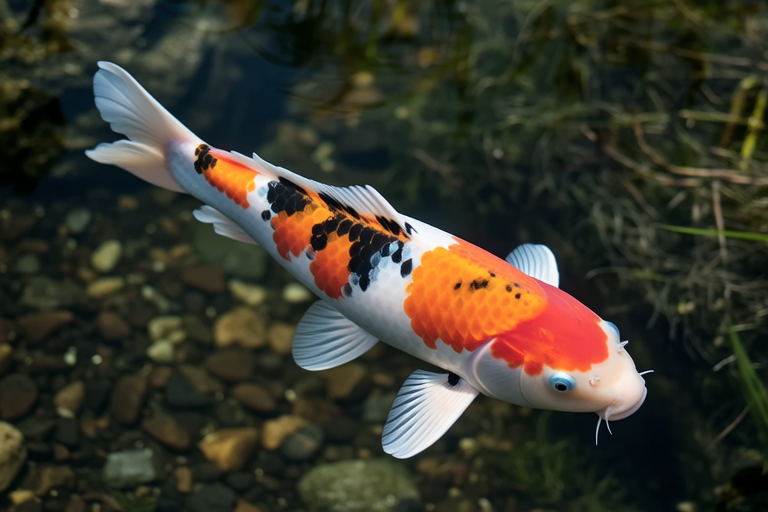
Koi come in various breeds, each distinguished by unique color patterns and markings. The most popular types include Kohaku (white with red patches), Sanke (white, red, and black), Showa (black with red and white), and Taisho Sanshoku (red, white, and black). Less common but equally stunning varieties like Utsuri (black with white or yellow) and Bekko (white, red, or yellow with black) offer diversity for collectors. Understanding these distinctions can aid in selecting a koi that fits your aesthetic preferences and space constraints.
Ideal Pond Setup
Creating an optimal living space for your koi is crucial. A well-designed pond should be at least 1,000 gallons deep enough to prevent freezing during winter months. Incorporating features such as filtration systems, oxygenators, and UV sterilizers helps maintain clean water and reduces algae growth. Additionally, incorporating plants provides natural shade and hiding spots while enhancing biodiversity within the ecosystem. Proper lighting schedules encourage regular feeding times and promote overall health.
Water Quality Maintenance
Maintaining pristine water conditions is vital for sustaining healthy koi populations. Regular testing ensures parameters remain stable; pH levels between 7.2 and 8.0, ammonia below 0.05 ppm, nitrite under 0.1 ppm, and dissolved oxygen above 6 ppm contribute to thriving aquatic environments. Utilizing beneficial bacteria promotes nitrogen cycle efficiency while minimizing harmful substances. Implementing routine cleaning practices prevents buildup of organic matter which could otherwise compromise water clarity and safety.
Dietary Needs
Feeding schedules vary depending upon temperature changes throughout seasons. During warmer periods when activity increases, provide high-protein pellets twice daily. As temperatures drop, switch to wheat germ-based foods containing lower protein percentages to avoid overfeeding risks associated with reduced metabolism rates. Introducing occasional treats like shelled peas aids digestion by acting as mild laxatives. Ensuring balanced nutrition supports longevity and vibrant coloring.
Common Health Issues
Despite best efforts, occasional illnesses may arise among koi communities. Identifying symptoms early allows prompt intervention preventing spread across populations. White spot disease manifests through raised lesions covering scales whereas fin rot presents itself via frayed edges leading to eventual loss if untreated. Parasitic infestations often result in excessive scratching against surfaces indicating irritation caused by external organisms. Consultation with veterinary professionals specializing in exotic species ensures appropriate diagnosis followed by effective treatment plans tailored specifically towards affected individuals.
Selecting Age and Size
For beginners, smaller fry aged six months to one year old typically fare better due to their adaptability compared to larger counterparts requiring more extensive habitats. Smaller sizes also allow closer observation facilitating easier monitoring of behaviors and physical attributes indicative of potential concerns warranting attention from caretakers. Gradually introducing new additions into established ponds minimizes stress ensuring smoother transitions promoting long-term wellbeing.
Ongoing Care and Community Resources
Continuous vigilance remains essential even after initial setup stages conclude. Regular inspections coupled with proactive measures form integral components of successful management strategies. Joining local clubs or online forums fosters connections among fellow hobbyists exchanging experiences sharing insights valuable towards refining personal approaches. Participating actively contributes positively towards collective advancement benefiting all members involved.
In conclusion, investing time and effort upfront yields rewarding outcomes down the line. By familiarizing oneself thoroughly with fundamental principles outlined herein, prospective owners position themselves favorably setting foundations conducive towards cultivating flourishing ecosystems teeming with life brimming with color and movement embodying serenity tranquility.
