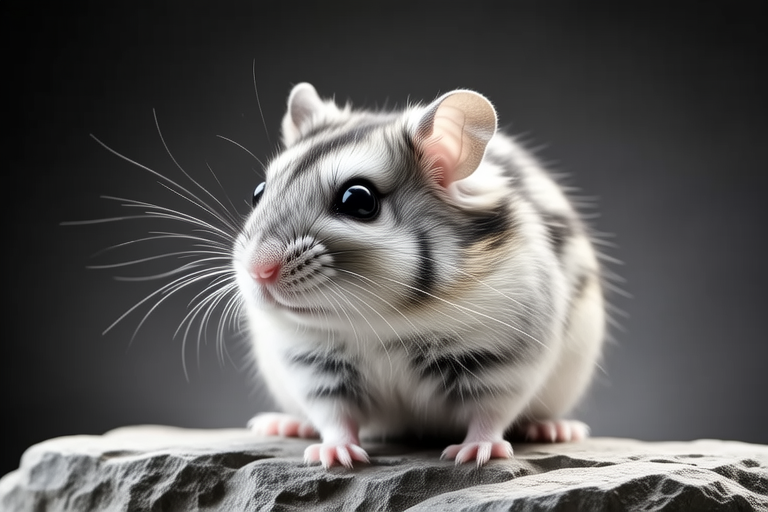
Adorable Fluffy Friends: All You Need to Know About Chinchillas
Welcome to the enchanting world of chinchillas! These small, fluffy creatures have captured the hearts of many pet enthusiasts with their adorable appearance and unique characteristics. In this comprehensive guide, we’ll explore everything you need to know about these delightful pets, from their origins and natural habitats to their dietary needs and ideal living conditions.
Introduction to Chinchillas
Chinchillas are small rodents native to the Andes Mountains in South America. They belong to the family Chinchillidae and are closely related to guinea pigs. These animals are known for their incredibly soft and dense fur, which has made them popular in the fashion industry historically. However, today they are cherished as beloved pets.
Origin and Natural Habitat
Native to the Andean mountains of South America, specifically in regions like Chile, Peru, Bolivia, and Argentina, chinchillas inhabit rocky areas at high altitudes. The climate there is cold and dry, characterized by harsh winters and cool summers. Their natural habitat consists of rocky crevices and cliffs where they seek refuge from predators and extreme weather conditions. Chinchillas are nocturnal creatures, meaning they are most active during the night.
Physical Characteristics
One of the most striking features of chinchillas is their luxurious fur. Each hair follicle can grow up to 80 individual hairs, making their coats incredibly dense and soft. This adaptation helps them survive in their native mountainous environment, providing insulation against the cold. Another notable feature is their large ears, which aid in thermoregulation. Chinchillas also have strong hind legs that allow them to leap impressive distances, up to six feet in a single bound.
Dietary Needs
Chinchillas are herbivores and require a diet rich in fiber. Their primary food source should be hay, such as timothy or orchard grass, which provides essential nutrients and aids digestion. Pellets formulated specifically for chinchillas should also be included in their diet, ensuring they receive balanced nutrition. Fresh water must always be available, and occasional treats like fresh vegetables can be given sparingly. Avoid feeding them fruits or sugary foods, as these can lead to health problems.
Ideal Living Conditions
Creating a suitable environment for your chinchilla is crucial for their well-being. A spacious cage with multiple levels is ideal, allowing them ample space to move around and exercise. The cage should be lined with bedding material that is safe for chinchillas, such as paper-based products or fleece liners. Ensure good ventilation but avoid drafts, as chinchillas are sensitive to temperature changes. Providing hiding spots and climbing structures will help mimic their natural habitat and keep them mentally stimulated.
Necessary Care Routines
Regular grooming is essential for maintaining your chinchilla’s coat. Dust baths are particularly important; they help remove dirt and excess oils from their fur. Provide a shallow container filled with special chinchilla dust twice a week for about 10 minutes each session. Additionally, cleaning their cage regularly, checking for signs of illness, and monitoring their weight are vital aspects of responsible ownership.
Common Health Issues
Like any pet, chinchillas may face certain health challenges. Common issues include dental problems due to improper diet, respiratory infections caused by poor ventilation, and skin conditions resulting from inadequate hygiene. Regular veterinary check-ups can help detect and address these concerns early on. It’s also important to be aware of the signs of distress, such as lethargy, loss of appetite, or abnormal behavior, and seek professional advice promptly if noticed.
Toys and Activities
Keeping your chinchilla entertained is key to their happiness and mental stimulation. Provide chew toys made from untreated wood or cardboard to satisfy their natural urge to gnaw. Balls, tunnels, and hanging toys can encourage physical activity. Interactive games, like hiding treats for them to find, can also enhance cognitive development and strengthen the bond between you and your pet. Rotate toys periodically to maintain interest and prevent boredom.
Selecting the Right Chinchilla
Choosing the right chinchilla involves considering factors such as age, temperament, and health status. Younger chinchillas tend to be more energetic and easier to train, while older ones might be calmer but could have pre-existing conditions. When selecting a chinchilla, look for clear eyes, clean fur, and alert behavior. Spend time observing potential candidates to assess their personality and ensure compatibility with your lifestyle.
Handling and Bonding
Establishing trust with your chinchilla takes time and patience. Start by letting them get used to your presence before attempting to handle them. Offer treats gently and speak softly to create positive associations. Once comfortable, pick them up carefully by supporting their body fully, avoiding sudden movements. Regular interaction and gentle play will foster a strong bond over time.
Responsibilities of Ownership
Owning a chinchilla comes with significant responsibilities. Ensuring their physical and emotional needs are met requires commitment. This includes providing proper nutrition, maintaining a clean and stimulating environment, and addressing any health concerns promptly. Educating yourself about their specific requirements and being prepared for long-term care are essential steps in becoming a responsible chinchilla owner.
