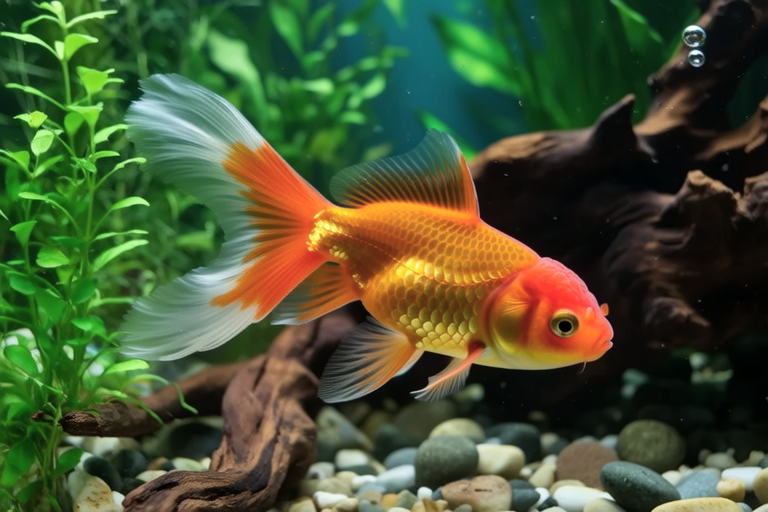
How to Create an Aquascape Paradise for Your Goldfish
Welcome to the wonderful world of aquascaping! Creating an aquascape paradise for your goldfish is both an art and a science. This guide will walk you through the process of setting up a beautiful and functional aquarium that will provide your goldfish with a healthy and stimulating environment. We’ll cover everything from selecting the right tank size to maintaining water quality and choosing compatible tank mates.
Selecting the Appropriate Tank Size
The first step in creating an aquascape paradise is choosing the right tank size. Goldfish are active swimmers and require ample space to thrive. A general rule of thumb is to provide at least 20 gallons of water per goldfish. However, larger tanks are always better as they allow more room for swimming and help maintain stable water conditions.
For example, if you plan to have three goldfish, a 60-gallon tank would be ideal. Keep in mind that goldfish grow rapidly, so it’s important to start with a tank that can accommodate their future size. Avoid overcrowding, as this can lead to stress and health issues for your fish.
Filtration Systems: Keeping Water Clean and Healthy
A reliable filtration system is crucial for maintaining water quality in your goldfish tank. Goldfish produce a significant amount of waste, so a high-quality filter is necessary to keep the water clean and free of harmful toxins. There are several types of filters available, including internal, external, and sponge filters. Each has its advantages, but external canister filters are often recommended for goldfish due to their powerful filtration capabilities.
In addition to mechanical and chemical filtration, biological filtration is also essential. This type of filtration relies on beneficial bacteria that break down ammonia and nitrite into less toxic compounds. To establish a healthy bacterial colony, it’s important to cycle your tank before adding any fish. Cycling involves running the filter continuously for several weeks while monitoring ammonia, nitrite, and nitrate levels until they stabilize.
Water Quality Maintenance: Essential for Goldfish Health
Once your tank is set up and cycled, regular water changes are necessary to maintain optimal water quality. Aim to change 10-20% of the water weekly or biweekly, depending on the stocking density and overall water condition. Use a gravel vacuum during water changes to remove uneaten food, debris, and waste from the substrate.
To ensure the best possible water quality, it’s important to test the water regularly for pH, ammonia, nitrite, and nitrate levels. The ideal pH range for goldfish is between 6.8 and 7.4, and ammonia and nitrite should always read zero. Nitrate levels should be kept below 20 ppm. If nitrate levels become too high, perform more frequent water changes or consider upgrading your filtration system.
Lighting Requirements: Enhancing the Aquascape Aesthetic
Proper lighting is not only essential for the aesthetic appeal of your aquascape but also for the health of your plants and algae control. Most aquariums come equipped with basic lighting, but for a truly stunning aquascape, consider investing in specialized LED lights designed for planted tanks. These lights provide a full spectrum of light that mimics natural sunlight, promoting healthy plant growth and vibrant colors in your fish.
It’s important to balance the duration and intensity of lighting to prevent excessive algae growth. A good rule of thumb is to provide 8-10 hours of light per day. Avoid leaving the lights on for extended periods, as this can lead to excessive algae growth and stress your fish.
Suitable Plants and Decorations: Adding Life and Color
Plants play a vital role in enhancing the beauty of your aquascape while providing valuable benefits to your goldfish. Live plants not only add color and texture but also improve water quality by absorbing nutrients and producing oxygen. Some popular plant choices for goldfish tanks include Java fern, Amazon sword, and Anubias. These plants are hardy and can tolerate the high waste production of goldfish.
Decorations such as driftwood, rocks, and ceramic ornaments can further enhance the visual appeal of your tank. When selecting decorations, choose items that are safe for goldfish and won’t scratch or damage their delicate fins. Avoid sharp edges or rough surfaces that could cause injury. Additionally, decorations should be placed strategically to create hiding spots and swimming areas for your fish.
Proper Substrate Choice: Creating a Natural Environment
The substrate you choose plays a crucial role in the overall appearance and functionality of your aquascape. While some aquarists prefer bare-bottom tanks for easier maintenance, many opt for a layer of gravel or sand. Gravel is the most common choice as it provides a natural look and allows for root growth in planted tanks. It’s important to select a substrate that is fine enough to prevent your fish from accidentally ingesting it.
When setting up your substrate, rinse it thoroughly to remove any dust or debris. You may also want to consider adding a layer of aquarium-safe soil beneath the substrate to promote healthy plant growth. Avoid using colored substrates, as these can leach harmful chemicals into the water.
Goldfish Compatibility with Tank Mates
While goldfish are generally peaceful fish, they have specific needs that may limit their compatibility with other species. Goldfish are cold-water fish and prefer cooler temperatures ranging from 68 to 74 degrees Fahrenheit. Many tropical fish require warmer water and cannot survive in the same tank as goldfish. Therefore, it’s best to keep goldfish with other cold-water species.
If you’re considering adding tank mates, some good options include white cloud mountain minnows, rosy red minnows, and dojo loaches. These fish are hardy and can coexist peacefully with goldfish. However, it’s important to research each species carefully and ensure they have similar water temperature and pH requirements. Avoid keeping goldfish with aggressive or fin-nipping species, as this can lead to stress and injury.
Step-by-Step Instructions for Beginners
- Select the Right Tank: Choose a tank size based on the number of goldfish you plan to keep. A minimum of 20 gallons per goldfish is recommended.
- Set Up Filtration: Install a high-quality filter that provides mechanical, chemical, and biological filtration.
- Cycle the Tank: Run the filter continuously for several weeks, testing water parameters regularly until ammonia, nitrite, and nitrate levels stabilize.
- Add Substrate and Decorations: Rinse the substrate thoroughly and add it to the tank along with decorations.
- Plant the Tank: Add live plants and position them strategically to create a natural-looking environment.
- Introduce Fish Gradually: Once the tank is fully cycled and established, slowly introduce your goldfish to minimize stress.
Tips for Beginners
- Research thoroughly before making any purchases to ensure you’re getting the best equipment and supplies for your goldfish.
- Be patient during the cycling process. It’s important to wait until the tank is fully cycled before adding any fish.
- Monitor water parameters closely, especially during the initial setup period, to catch any issues early.
- Provide plenty of hiding spots and swimming areas to reduce stress and promote healthy behavior.
Common Mistakes to Avoid
- Overstocking the tank: Always provide ample space for your goldfish to swim and thrive.
- Ignoring water quality: Regular water changes and maintenance are crucial for maintaining a healthy environment.
- Using inappropriate decorations: Choose decorations that are safe for goldfish and won’t scratch or injure them.
- Not cycling the tank: Failing to cycle the tank properly can lead to ammonia spikes and fish loss.
Advice on Regular Maintenance
Maintaining a healthy aquatic environment requires consistent effort and attention. In addition to regular water changes and monitoring water parameters, there are several other aspects of maintenance to consider:
- Feeding: Feed your goldfish a balanced diet consisting of high-quality flake or pellet food. Avoid overfeeding, as excess food can pollute the water.
- Algae Control: Keep algae growth under control by providing adequate lighting and performing regular water changes.
- Observation: Spend time observing your goldfish daily to monitor their behavior and overall health. Early detection of problems can prevent serious issues.
Creating an aquascape paradise for your goldfish is a rewarding endeavor that requires careful planning and attention to detail. By following the steps outlined in this guide, you’ll be well on your way to providing your goldfish with a beautiful and healthy home. Remember to enjoy the process and take pride in your accomplishments as you watch your goldfish thrive in their new aquatic environment.
