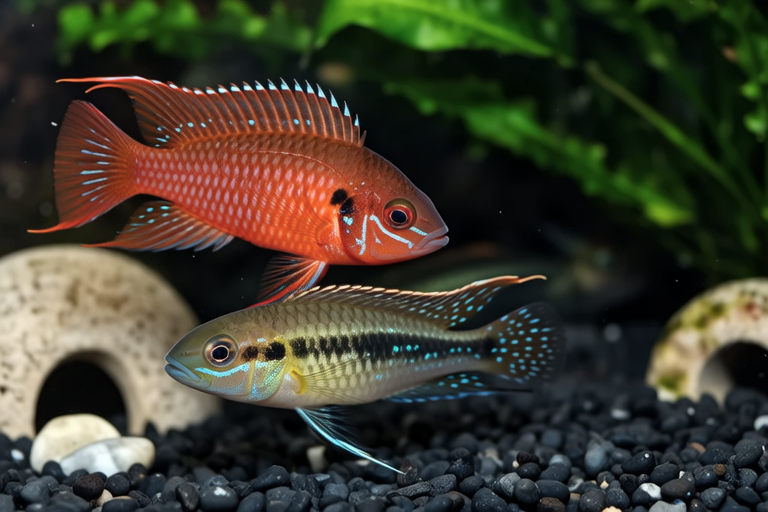
How to Successfully Breed Rajah Cichlids at Home
Rajah cichlids, also known as Hemichromis letourneuxi, are a vibrant and captivating species of fish that can add a splash of color and activity to any aquarium. These cichlids are popular among aquarists due to their striking appearance and relatively manageable care requirements. However, breeding them successfully requires careful planning and attention to detail. This guide will walk you through the process of setting up your tank, maintaining optimal water conditions, providing the right diet, understanding their spawning behavior, caring for the fry, and overcoming common challenges.
Optimal Tank Setup
The first step towards successfully breeding Rajah cichlids is creating an environment that mimics their natural habitat. A well-planned tank setup will not only ensure the health and comfort of your fish but also increase the chances of successful breeding. For a pair of Rajah cichlids, a tank of at least 55 gallons is recommended. Larger tanks provide more space for swimming and reduce stress, which is crucial for breeding success.
In terms of substrate, fine gravel or sand is ideal. Avoid sharp or large-sized substrates that could injure the fish. Decorative elements such as driftwood, rocks, and caves should be included to offer hiding spots and establish territories. These structures help in reducing aggression during mating and spawning.
Water flow should be moderate to simulate the natural riverine environments these cichlids inhabit. Use a power filter or sponge filter to maintain clean water while ensuring gentle circulation. Plants like Java moss and Amazon swords can also be added for additional cover and to enhance the aesthetic appeal of the tank.
Water Parameters
Maintaining optimal water parameters is critical for the health and breeding success of Rajah cichlids. The water temperature should be kept between 75°F and 82°F (24°C to 28°C). pH levels should range from 6.5 to 7.5, slightly acidic to neutral. Ammonia and nitrite levels should always be zero, with nitrate levels kept below 20 ppm. Regular water changes of about 20% weekly will help maintain these parameters.
To achieve stable water conditions, invest in a reliable water testing kit and a quality heater with a thermostat. Regular monitoring and adjustments will prevent sudden changes that could stress your fish and disrupt breeding efforts.
Diet Requirements for Breeding Pairs
A balanced diet rich in protein is essential for preparing Rajah cichlids for breeding. A varied diet consisting of high-quality flakes, pellets, and frozen foods like bloodworms, brine shrimp, and daphnia will promote robust health and breeding readiness. Feeding should be done twice daily, ensuring that the food is consumed within a few minutes to prevent overfeeding and water pollution.
As breeding approaches, it’s beneficial to increase the frequency and quantity of live foods. This can stimulate reproductive behaviors and ensure the parents are in top condition to care for their offspring. Additionally, offering calcium-rich foods can help strengthen the eggshells and improve overall egg quality.
Spawning Behavior
Rajah cichlids exhibit fascinating spawning behaviors that are both intriguing and rewarding for observers. Before spawning, the male will display territorial behavior, becoming more aggressive and establishing dominance. The female will then select a suitable site, often a cave or depression in the substrate, to lay her eggs.
Once the site is chosen, the female will deposit adhesive eggs, usually numbering around 100 to 300, depending on her size and age. After laying, she will fan her fins over the eggs to keep them aerated and free from debris. The male will guard the territory, driving away potential threats and intruders.
The eggs will hatch after approximately 3 to 4 days, and the fry will remain attached to the substrate for another couple of days until they become free-swimming. During this time, both parents will continue to protect the eggs and later the fry, making them excellent candidates for bi-parental care.
Fry Care
Caring for Rajah cichlid fry requires special attention to ensure their survival and healthy development. Once the fry are free-swimming, they should be provided with fine, nutritious foods like infusoria, newly hatched brine shrimp, or specialized fry food. Frequent small feedings multiple times a day will support rapid growth and development.
It’s important to monitor the behavior of the parent fish closely. While many Rajah cichlid pairs are diligent caregivers, some may become too aggressive or stressed, potentially harming the fry. If this occurs, consider removing the parents and transferring the fry to a separate tank. Alternatively, adding floating plants or other shelters within the main tank can provide fry with additional protection.
Common Challenges and Solutions
Breeding Rajah cichlids can present several challenges, but with the right approach, these obstacles can be overcome. One common issue is aggression between the male and female, particularly if the tank is too small or lacks sufficient hiding spots. To address this, ensure adequate space and provide ample decorations for each fish to establish its territory.
Another challenge is maintaining consistent water quality, especially during spawning and fry care. Regular water changes and proper filtration are key to preventing ammonia spikes and other water parameter issues. Using a dedicated fry tank can also help isolate the fry from potential harm caused by fluctuating water conditions.
Finally, some pairs may not spawn despite optimal conditions. In such cases, try adjusting the diet, increasing the frequency of live food offerings, or introducing a new stimulus into the tank. Sometimes, a slight change in environmental factors can trigger the desired reproductive behaviors.
Conclusion
Breeding Rajah cichlids at home is a rewarding endeavor that can deepen your connection with these fascinating fish. By setting up an appropriate tank, maintaining optimal water conditions, providing a balanced diet, understanding their spawning behavior, and addressing common challenges, you can significantly increase your chances of success. Remember, patience and细心观察是关键。通过遵循这些指导原则,您将能够享受成功的繁殖过程,并见证新一代Rajah cichlids的成长。
